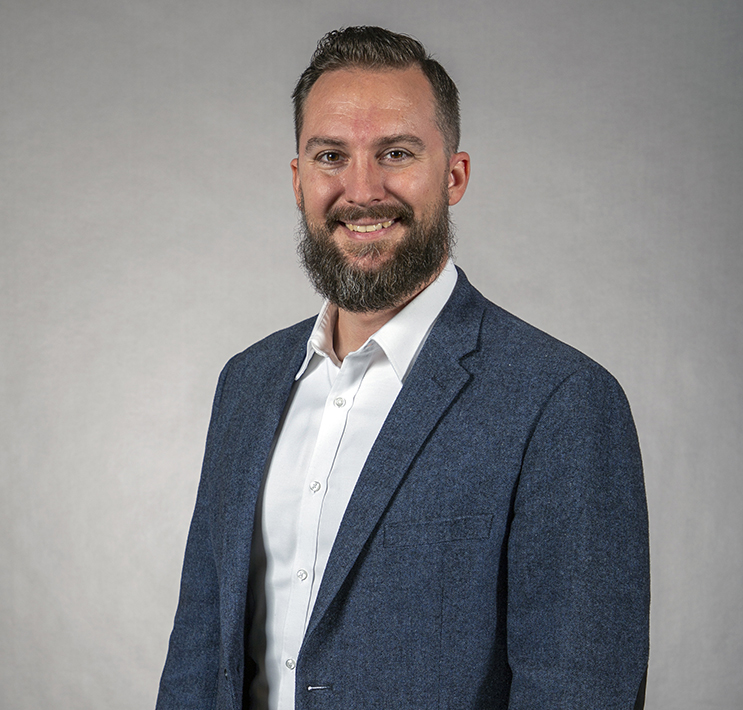
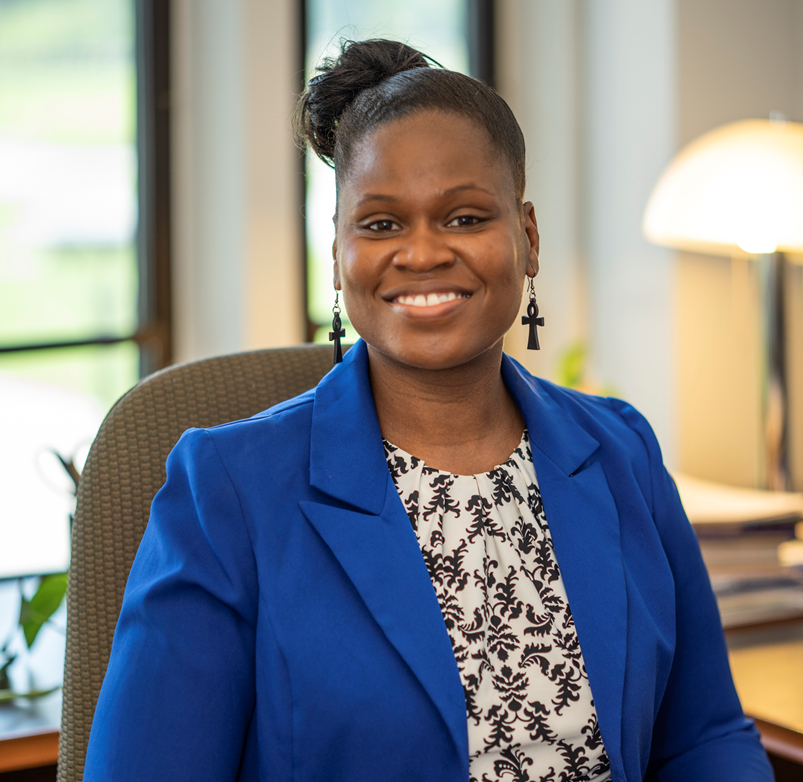
Igor Lednev, Professor
Raman spectroscopy for forensic purposes
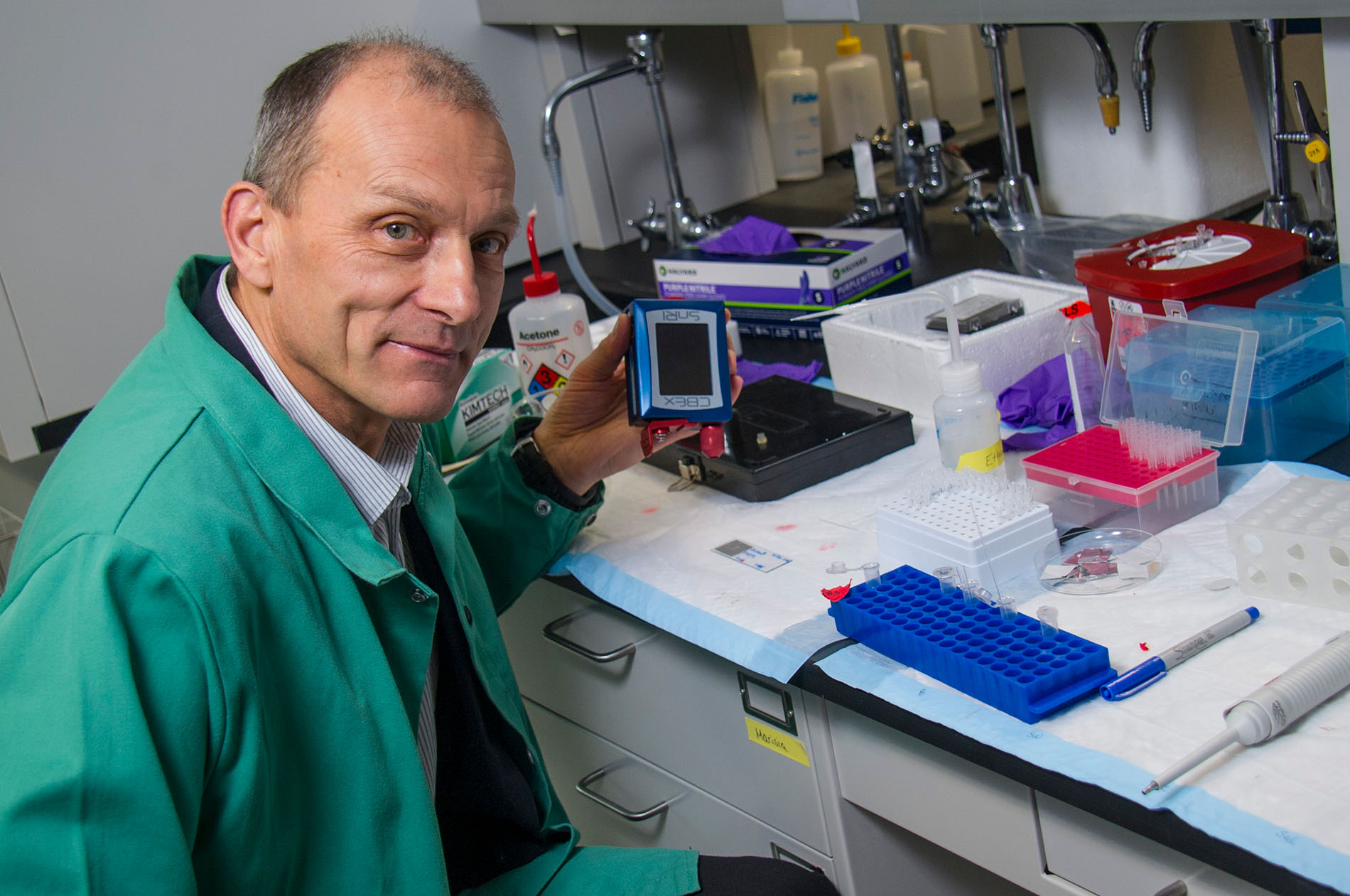
Our laboratory has pioneered the use of Raman spectroscopy for forensic purposes over the last decade. In particular, we developed the first universal tool for the identification of biological stains recovered at a crime scene. This research has been continuously funded through the National Institute of Justice (NIJ) for 16 years and resulted in over 60 articles in peer-reviewed journals and three U.S. patents.
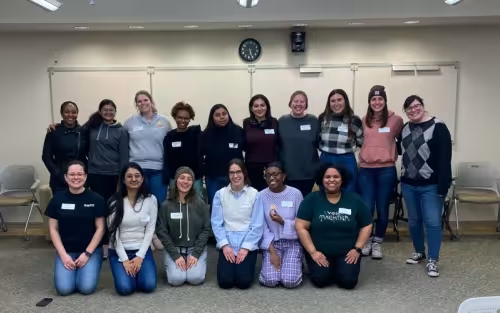
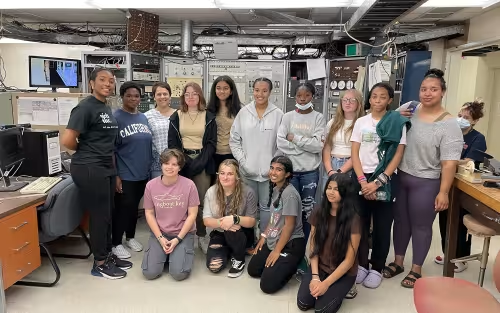
All these years, we worked closely with NY State Police Crime Laboratory and Forensic Investigation Center (FIC). Dr. Ray Wickenheiser, Director of the New York State Police Crime Lab System is a strong supporter of our research. He is a consultant at the University spinoff SupreMEtric LLC, (short for Supreme Metric), a start-up company targeting the commercialization of the developed technology. Four graduates from our lab work now for NYSP (all women!) including Dr. Kelly Virkler, Supervisor of the Toxicology Laboratory.
We also worked with Dr. Wickenheiser to create “The Forensic Science Incubator.” Once launched, this first of its kind resource will offer research support to academic and industry inventors who are interested in developing – and validating – novel technologies for law enforcement purposes.
Our company has received NSF small business grant support.
Albany Business Review published a short story about our development of crime scene technology.
We also collaborate with Professor Entesar Al-Hetlani from Kuwait University on further development of this methodology and have demonstrated its ability to differentiate smokers and nonsmokers based on the analysis of saliva traces.
What have you worked on in the area of public engagement?
According to Mr. Covert, developing presentational skills and the opportunity to report at student’s conferences is another important aspect of the research activity. Quote, “we hold an annual symposium in which we invite parents, mentors, faculty/staff public to view a poster display of all of our students work. Seniors conclude the night with power points on their research. Shakers research students also compete in the local science fairs; JSHS (junior science and humanities symposium) (Burnt Hills), JSHS the University at Albany, RPI Science fair (which is the feeder source for the INTEL ISEF fair that is held at various locations around the united states. Our students also compete in the INTEL STS paper competition, senior standing students only.”
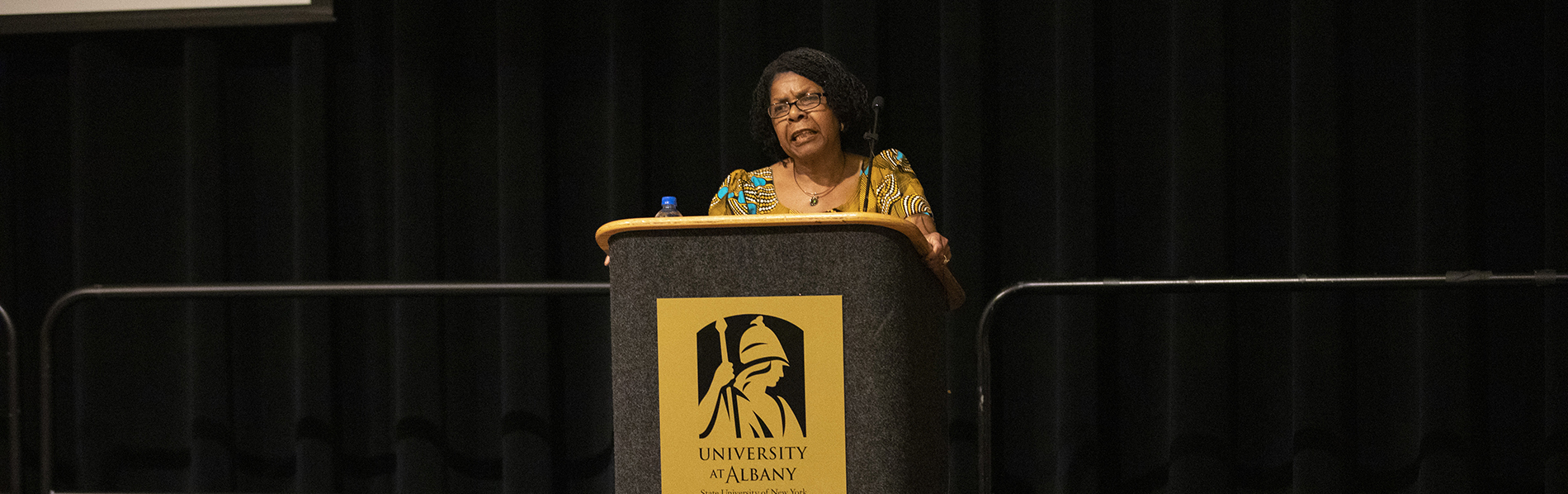
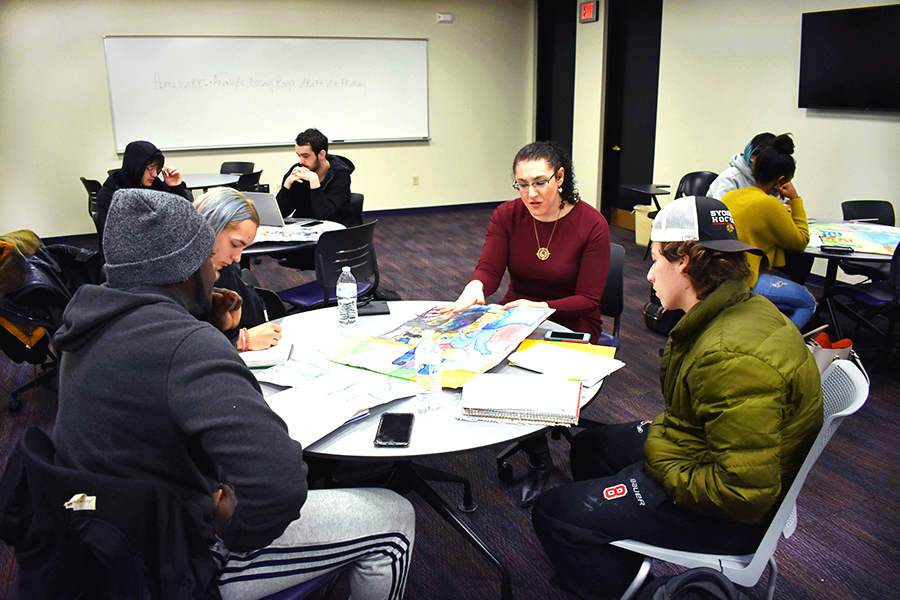
A significant positive impact of research activity on the training of local school children indicates a great need for expanding this program, so every local kid would have this opportunity. Professor Debernee Privott leads the development of a university-wide Program for the engagement of high school students to science. Dr. Lednev works closely with Dr. Privott on the proposal to integrate high school research to the regular activity of the university research laboratories. This proposal as well as other ideas was discussed at the SUNY-AIR panel on Student Success organized by Dr. Privott in January 2016.
How did you get involved in this work?
Dr. Lednev has been developing a close relationship with local public high schools for several years with the goal to create the opportunity for local high school talents to experience science in a real academic environment. His lab attracts students interested in developing cure and new diagnostic methods for neurodegenerative diseases and new techniques for forensic purposes. High school students often contact Dr. Lednev after they read about his research in scientific journals and/or local news including newspapers, magazines and TV reports. A summer intern student from Bethlehem High School was the first high schooler in his lab in 2011. Since then, several high school students conducted research in his laboratory as volunteers.
Engagement of high school students to science is a significant part of a broader impact of Dr. Lednev’s research activity supported by the National Science Foundation (NSF). In the recent proposal for the renewal of his NSF grant, Dr. Lednev requested a support for creating a Raman spectroscopy station at a local high school with the goal to introduce high school children to advanced spectroscopy at the early stages of their education and career development
What is the greatest reward in your publicly engaged work?
Working with high school students is very rewarding for many reasons, the most important of which is observing how this activity help young talented fellows to build their future career. All high school students, who went through Lednev’s laboratory so far, chose a career in science and engineering! One can argue that the students, who chose to do research, were already interested in this type of career, but the fact that they made this choice when it was time to choose the college is encouraging.
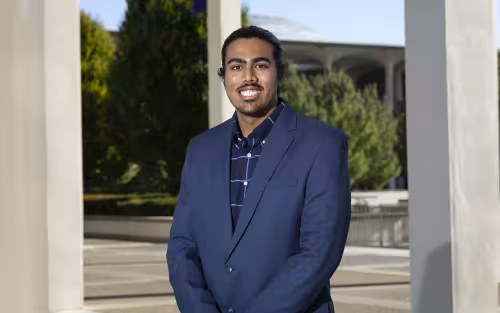
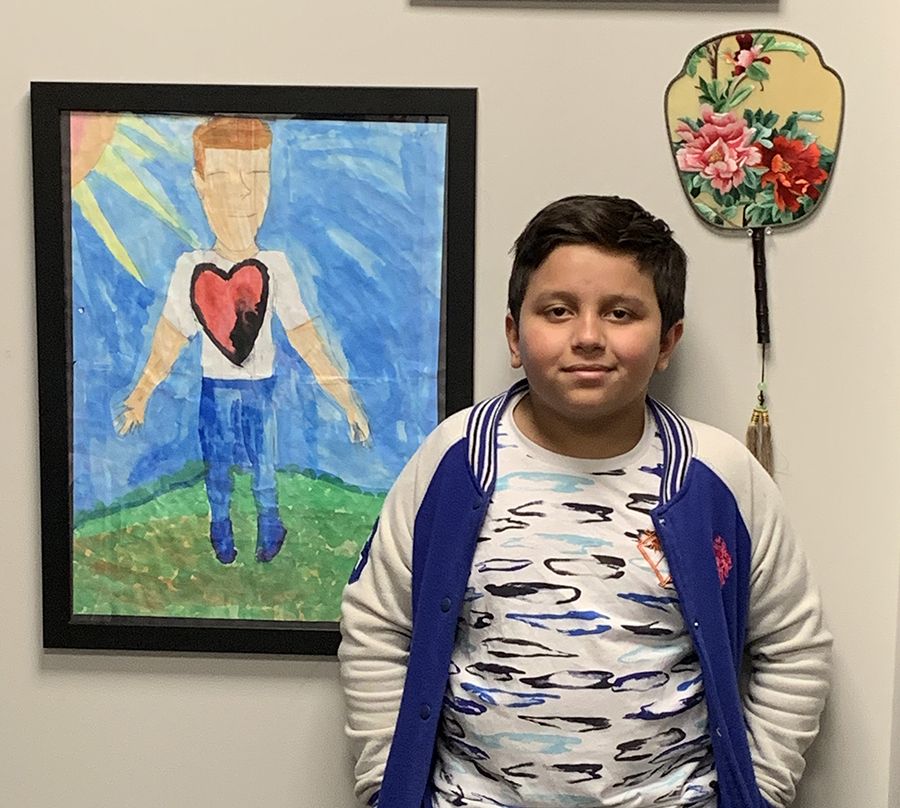
Muhammad Mujtaba Ali worked in Lednev’s lab as a research volunteer for almost two years studying the structure and formation mechanism of amyloid fibrils, protein aggregates associated with many neurodegenerative diseases including Alzheimer’s disease, Parkinson diseases, Huntington diseases and Type 2 diabetes. Muhammad is a very focused and dedicated young fellow. He learned methods and techniques used in the lab and applied them for studying the kinetic mechanism of fibrillation. Muhammad presented his results at K-12 science events and won several awards including a scholarship from Albany College of Pharmacy and Health Sciences, 1st Place as a Poster Presenter at the Upstate New York State Junior Science and Humanities Symposia, 2nd Place as a Speaker at the Eastern New York State Junior Science and Humanities Symposia and Society for In-Vitro Biology Award. Muhammad made to the semifinal of a prestigious national science competition, Intel Science Talent Search (Intel STS) and was interviewed by Times Union and WTEN-10 TV Station. Now, Muhammad is student at Cornell University. He continues his interest in neurodegenerative diseases. He is currently working in Dr. Schaffer laboratory, Biomedical Engineering Department, on understanding the pathogenesis of Alzheimer's disease and testing a new hypothesis for the disease based on the decreased blood flow via clotting.
What impact has this work had on you? ...on your students? ...on community members?
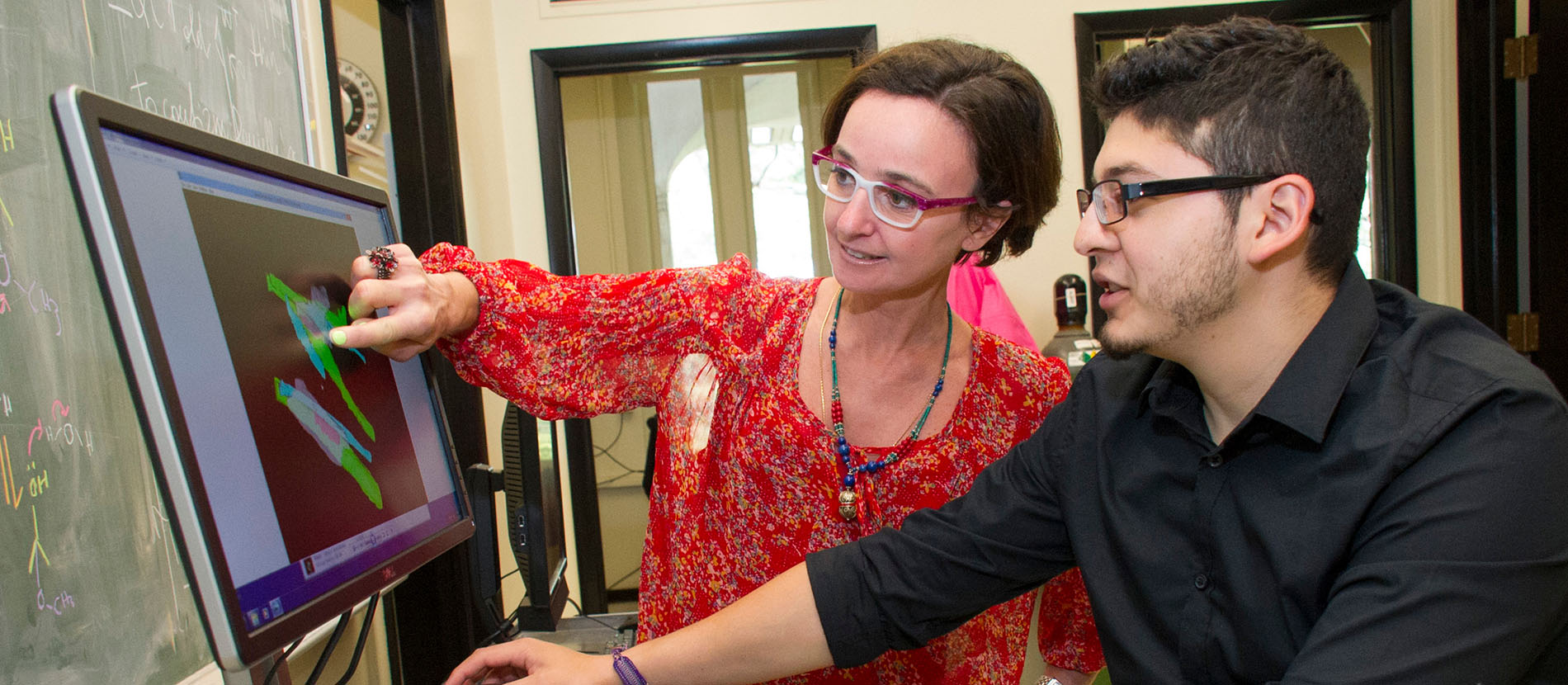
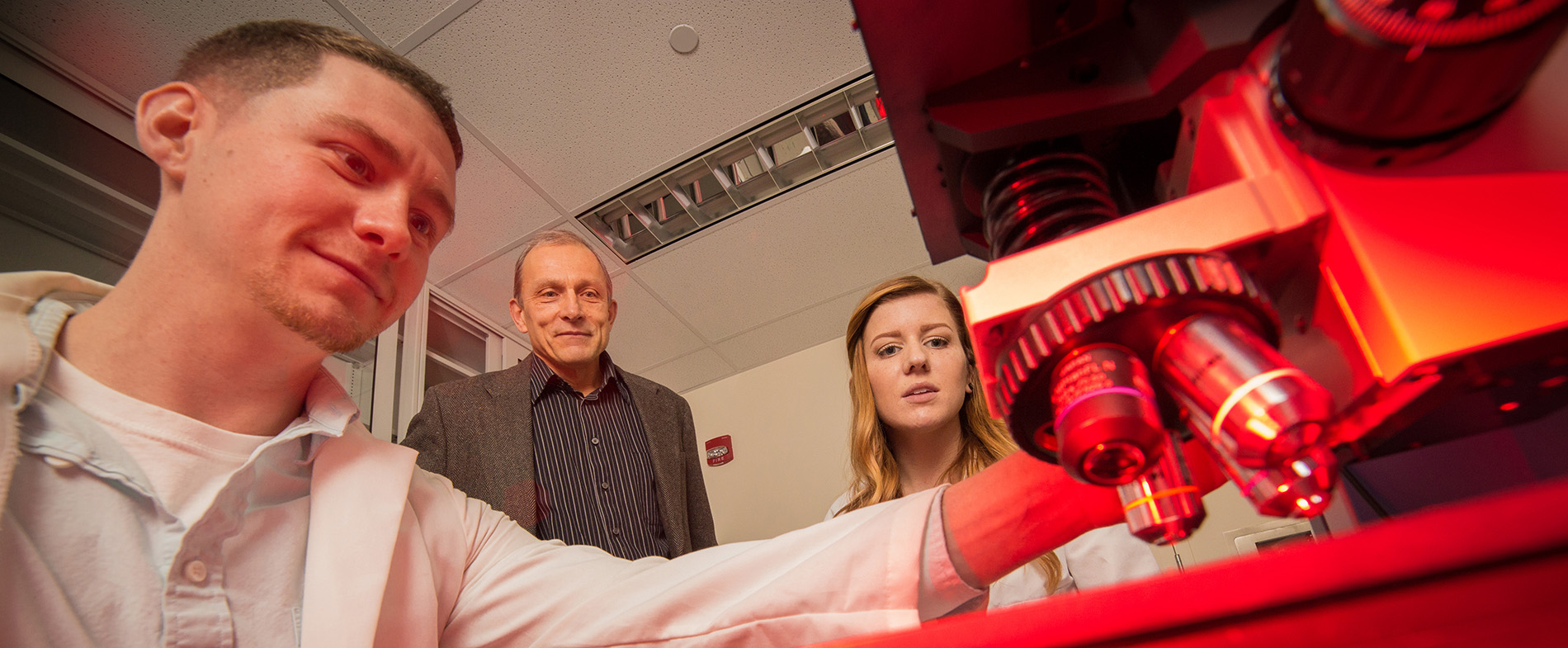
This is a great experience for graduate students in Lednev’s laboratory, who work with high school volunteers. Specifically, Manuel Rosario Alomar worked with Muhammad Mujtaba Ali. He is preparing a joint manuscript based on their results. Tatiana Quinones Ruiz and Claire Muro, PhD students, share their experience and supervise Srinija Nalluri and Niraj Shah, respectively, in Lednev’ laboratory now. This is an excellent opportunity for graduate student to develop their leadership skills.
Muhammad kindly agreed to comment on his research experience in Lednev’s lab:
“After my school year ended, I went to Pakistan for nearly two months and worked as an EMT for the Edhi Center, an organization that provides medical assistance in emergency situations. It was there, in the midst of frantic emergency operations, without a mere stethoscope or even a nifty pair of shears, that I came to appreciate the endless resources you provided me with to conduct research. That was the first summer I hadn't been in your lab for the past two years, yet I was more appreciative of the time you spent with me then than I was ever before. As I gain more life experiences at Cornell and beyond, I know that my appreciation of the time you and Manuel (IL: Manuel Rosario Alomar is a graduate student in Lednev’ laboratory) spent with me will continue to grow.”
Mr. Covert has also shared kindly his thoughts:
“Science Research has a special place in many of the hearts of my current and former students. Owing to the fact that it is a 3 year course in which I get to track with my students for the tenure of their work, we tend to have a very close knit community. My students often come back during their colleges years to visit and consistently they state that the class prepared them for actual college work. Many if not most of my students continue their science track in college and many of these students undertake undergraduate research. The ability to actually have a hand in creation of new experimentation and or innovation in technology is one of the highlights of the research students high school career.”
Srinija Nalluri has shared her thoughts about the research opportunity at UAlbany:
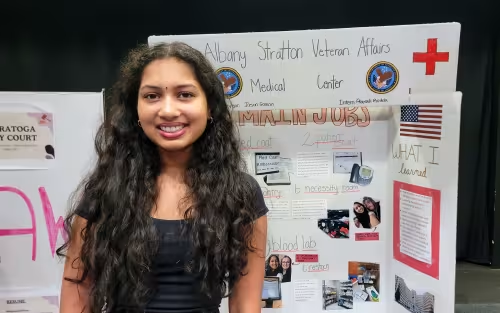
“Research at Dr. Lednev's lab has exposed me to new levels of thinking, collaboration, and presentation skills. Unlike the academic norm, research allows for students to use powerful instruments for real life applications. As a high school student, to have the opportunity to delve into this and make progress in the research community pertaining to neurodegenerative diseases is a great opportunity. I feel college ready in high school.”
Niraj Shah has also shared his thoughts:
“This research has helped me understand science beyond the classroom. In the classroom, we are limited in what we learn. This research has allowed me to create professional posters, present my research... I was able to present my tentative research to doctors and other professionals at the RPI competition. This has helped me develop my presentation skills and give me confidence. We also give to the community by holding a symposium. The symposium allows the community to understand the current research that the students are involved in.”
What are your future plans for your publicly engaged work?
According to Mr. Covert, he does not pick the internship for his students:
“Rather, the student reads peer reviewed journal articles and attempts to contact the author of the paper for internships. It is one of the best and most frustrating aspects of my class. I would love to have my students work with the researcher of their choosing however it often turns out that there are age restrictions and/or lack of space for the lab and so the students will have to adapt/change their focus. I am happy to collaborate (with UAlbany) on any new possibility for public awareness for science.”
This is the major reason and motivation for Dr. Lednev to work closely with Dr. Privott on the development of a university Program for the engagement of high school students to science. Specifically, Dr. Lednev plans to discuss with his colleagues the best way to integrate high school research to the regular activity of the university research laboratories.