


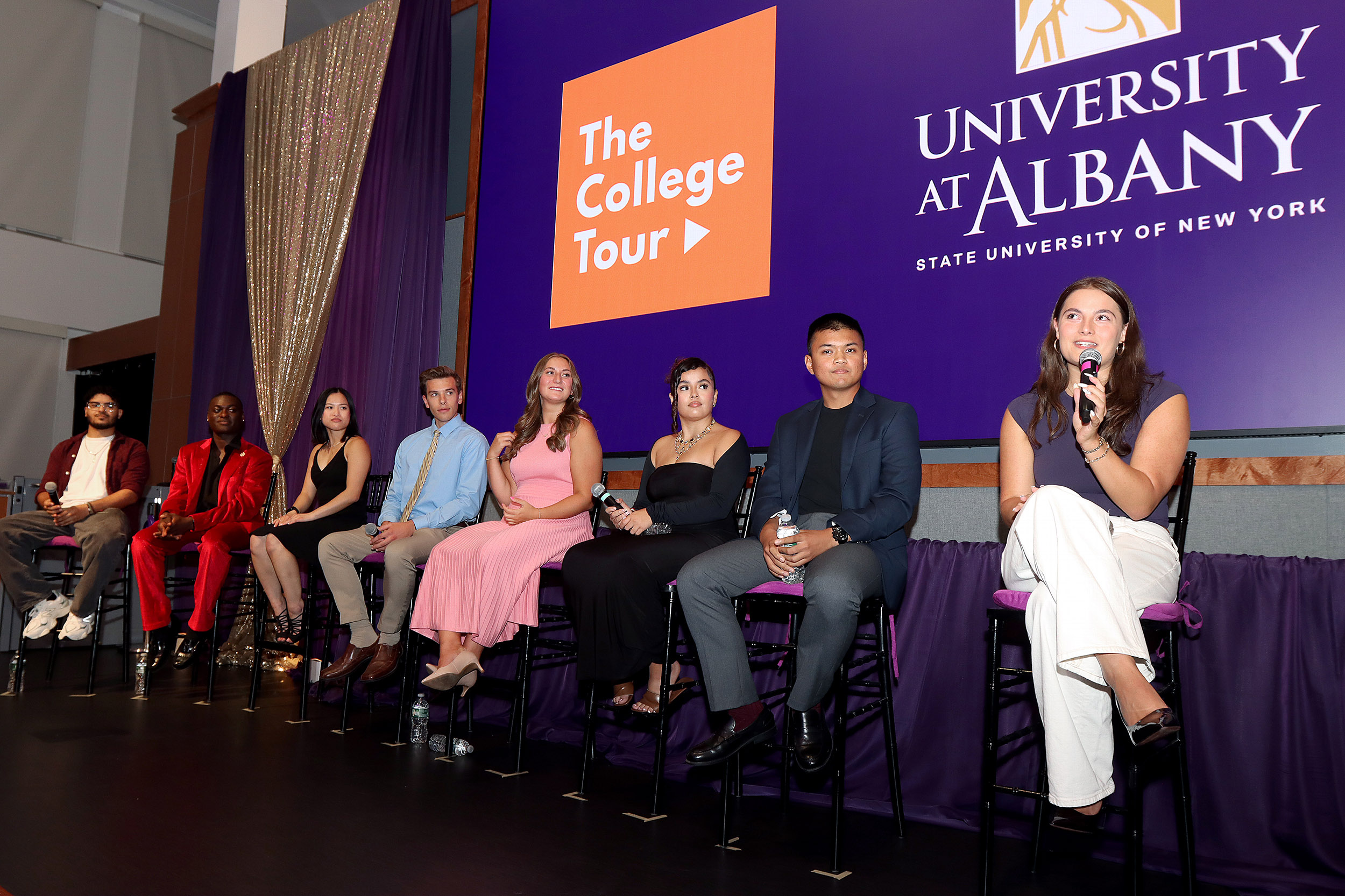
UAlbany Celebrates College Tour, Campus Ballroom Reopening
UAlbany rolled out the purple carpet Thursday night for the world premiere of its episode of "The College Tour" and the grand reopening of the newly renovated Campus Center Ballroom. Students, faculty, staff and alumni filled the refreshed space — now complete with upgraded AV technology and a modern look — for a Hollywood-style celebration that included themed mocktails, a photo booth and a panel discussion with student stars from the episode.
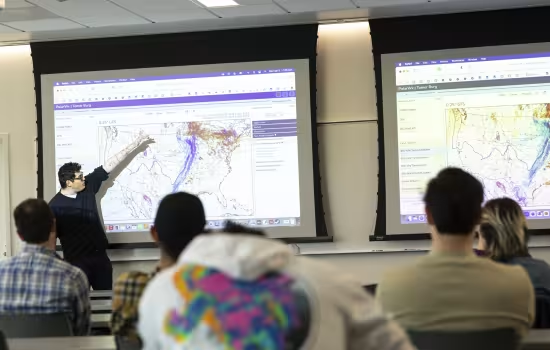
UAlbany Launches Environmental Studies Major, Climate Science Graduate Programs
The University at Albany is offering new academic programs that will help shape future leaders to address the world’s evolving climate and environmental challenges.
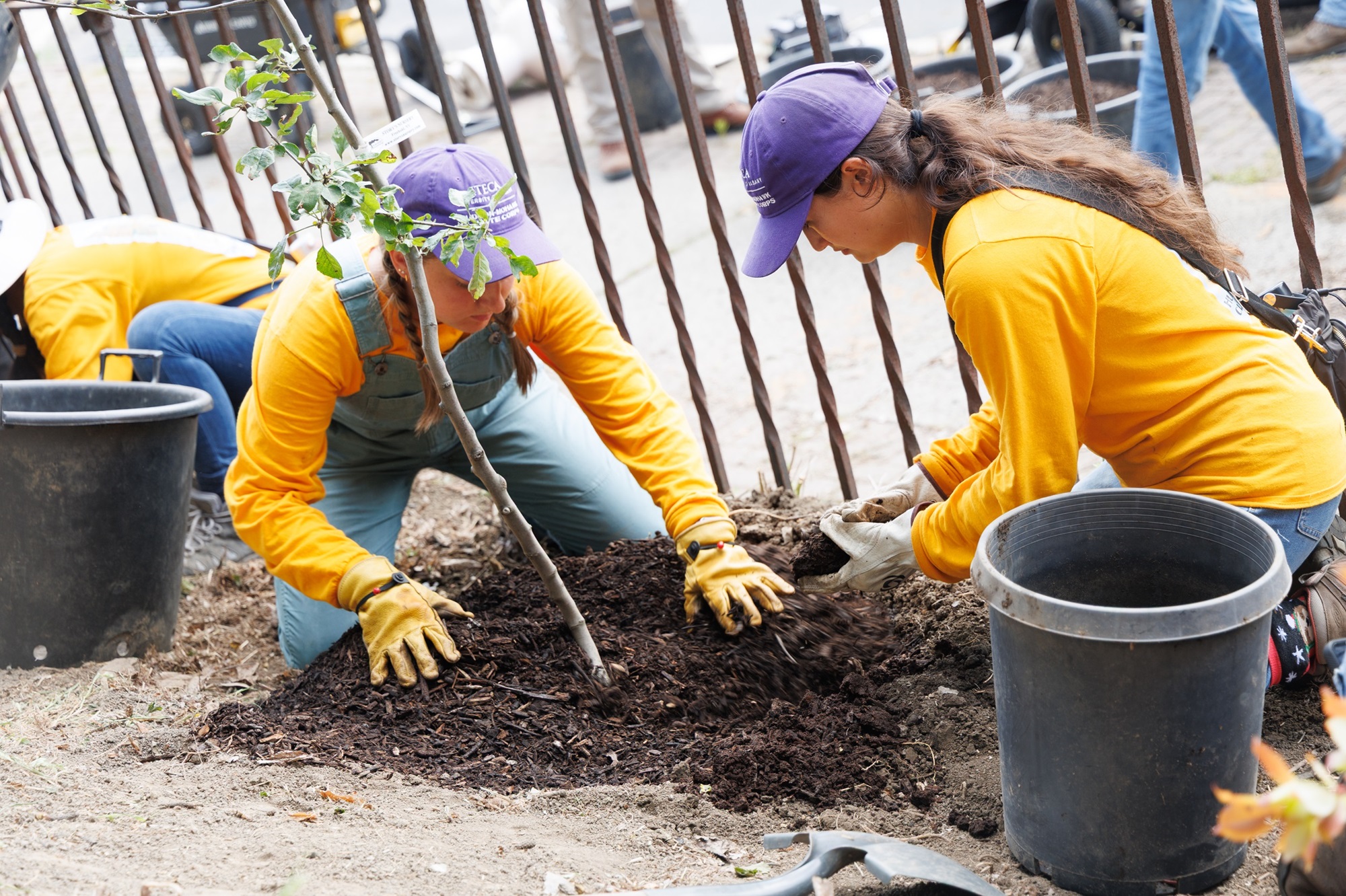
UAlbany Students Plant Trees Along South Pearl Street in Albany
Over the summer, UAlbany students prepared and planted more than 200 urban trees, including many along South Pearl Street in Albany.
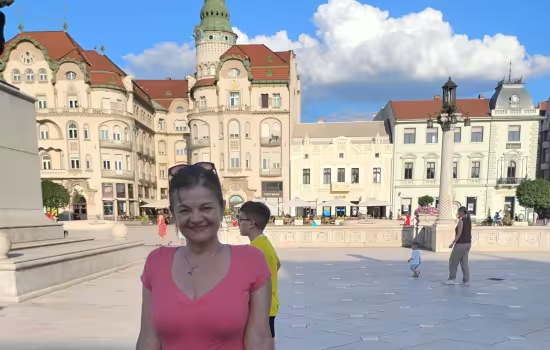
History Lecturer Lenart Named Fulbright U.S. Scholar for 2025-26
UAlbany History Lecturer Camelia Lenart will spend the spring of 2026 at the University of Bucharest, where she will teach a course she designed, "Art, Music and History in Europe: A Multimedia Approach," as well as launch a history club and a symposium on Romanian-American cultural exchange.

Undergrad Research Project Develops Haptics to Assist the Visually Impaired
UAlbany students developed wearable haptic devices that provide navigation assistance to the visually impaired as part of the College of Nanotechnology, Science, and Engineering’s 10-week Summer Undergraduate Research Program.
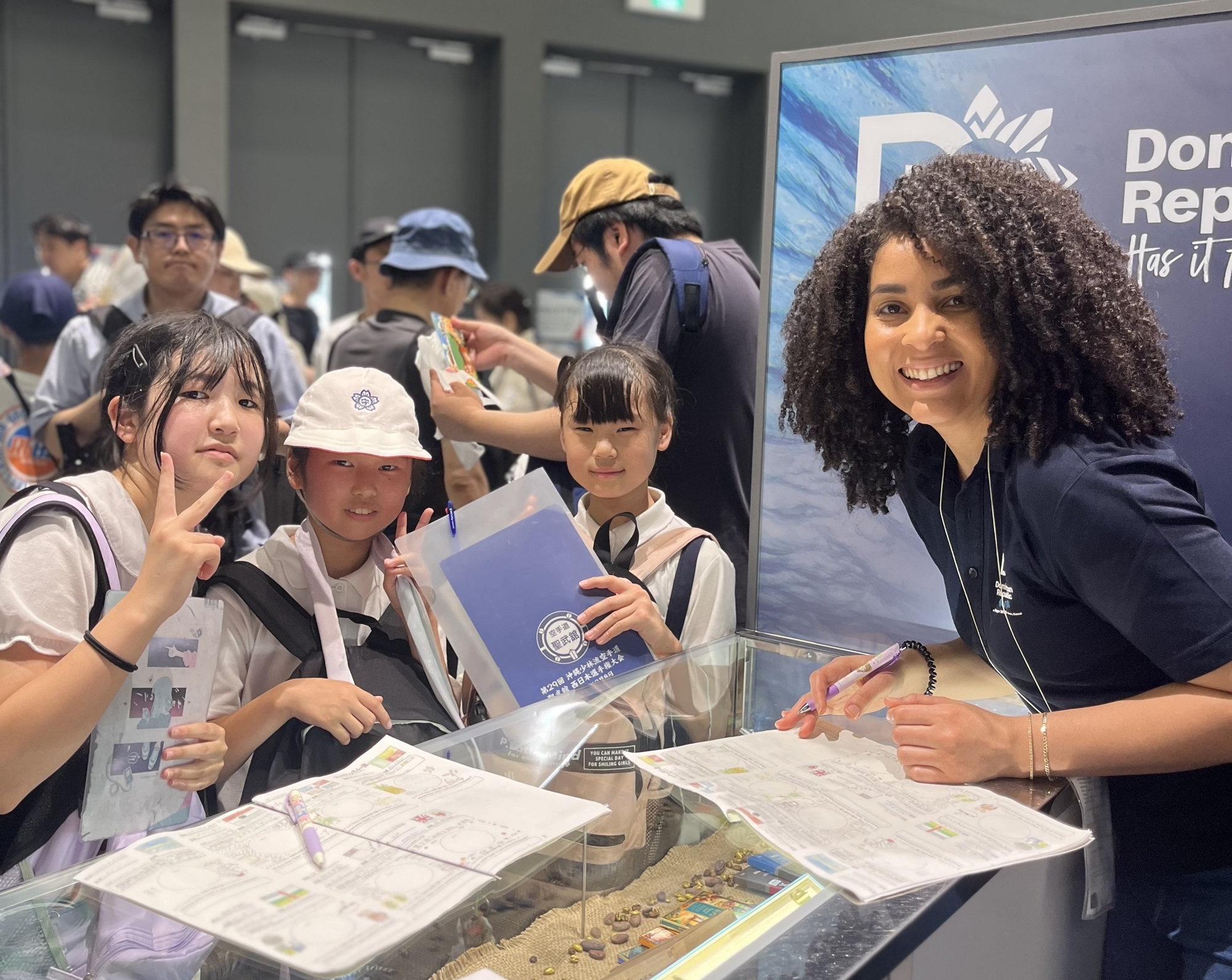
How Students Spent Their UAlbany Summer 2025
Even when classes are not in session, University at Albany students find ways to gain valuable experience through a variety of summer internships, research, volunteer, and other applied learning opportunities.
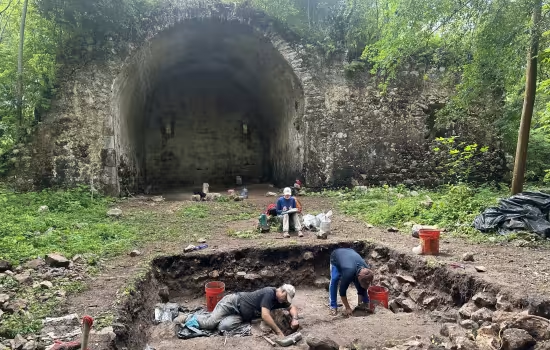
Study Reveals a Maya Town’s Defiant Stand in Early Colonial Era
In the rolling countryside of the northern Yucatán, a team of researchers led by UAlbany anthropologist Marilyn Masson has brought to light the story of Hunacti — a short-lived 16th-century mission town whose stone streets and Spanish-style church mask a deeper narrative of relentless persecution, resilience and a quiet adherence to Maya religious traditions.
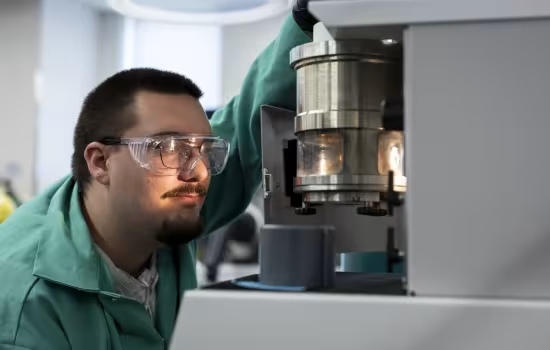
UAlbany Chemists Create New High-Energy Compound to Fuel Space Flight
University at Albany chemists have created a new high-energy compound — manganese diboride — that could revolutionize rocket fuel and make space flights more efficient.