





Mentorship Matters: Building Meaningful Academic Relationships
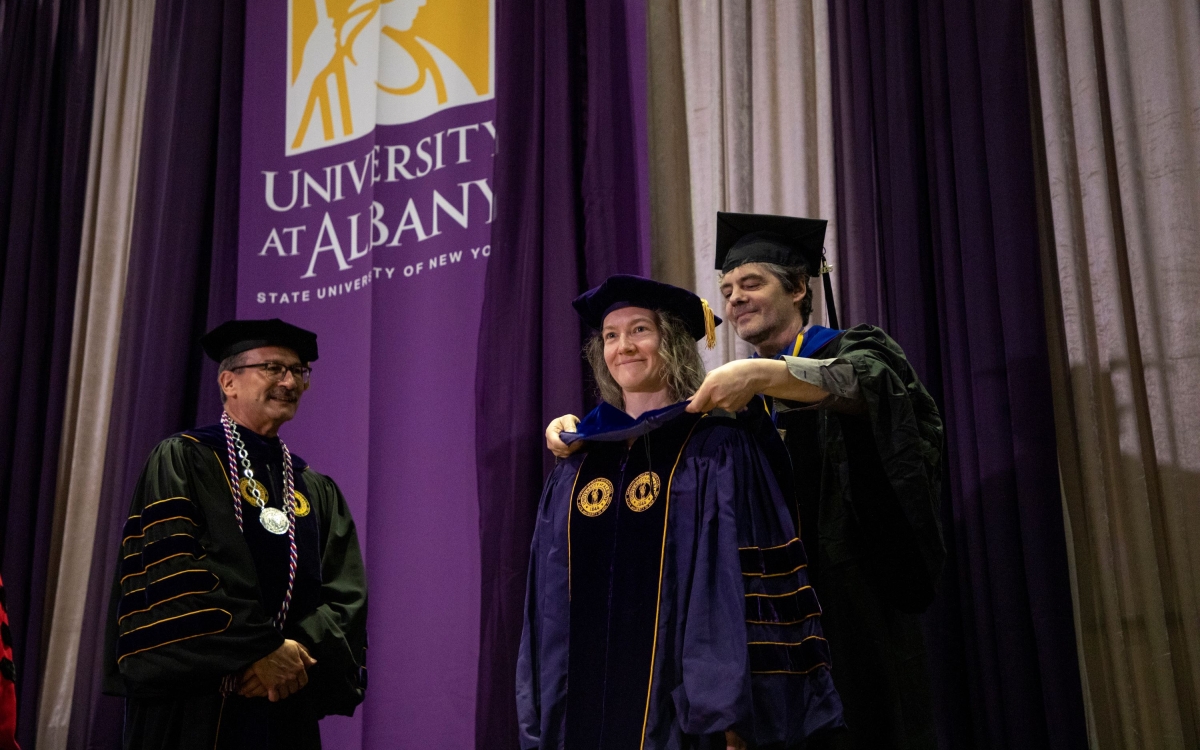
As a graduate from the PhD in Climate Science, one of the most meaningful parts of my graduate journey was the connections I built along the way. These relationships helped me navigate challenges, celebrate achievements, and grow into the scientist I am now. Graduate school can feel overwhelming, but having a support system who can guide you professionally and who believes in your abilities makes a big difference. For incoming students, I encourage you to seek out these connections early, because the mentors you find, and the mentoring roles you take, often become some of the most rewarding parts of your time at UAlbany and will sustain you through many stages of life.
What Mentorship Means to Me
To me, a good mentor has the following qualities:
- Listens when you are unsure
- Encourages you during difficult moments
- Offers honest advice to help you move forward
One mentor in particular, my advisor, helped me see paleolimnology as a path I could truly pursue. She treated my ideas seriously long before I felt ready, encouraged me to take on projects that intimidated me, and never let me minimize my accomplishments. That support changed the way I viewed myself as a scientist.
Mentoring Others
Becoming a mentor was just as rewarding. As a student ambassador and with the Graduate Mentorship Program, I supported undergraduates through the graduate school application process, from shaping personal statements to reaching out to potential advisors and strengthening their CVs. I once had the same questions, and I know I would not have applied to graduate school without the mentorship I received as an undergraduate.
Tips for Finding the Right Mentor
If you are starting graduate school, here are a few ways to find mentors who will support your growth:
- Look for people who make you feel heard.
- Pay attention to how they talk about their students. For example: people who openly celebrate the success of others are usually great mentors.
- Reach out, and do not be afraid to make the first move. Some of my most helpful relationships began with a cold email asking for advice.
- Build a team rather than relying on a single mentor. I lean on different people for research questions, career guidance, writing support, and work–life balance.
Maintain Lasting Relationships
Remember to continue your relationships by:
- Sending updates to former mentors
- Sharing milestones
- Saying thank you often