


Trainee Insights - My Summer at the RNA Institute
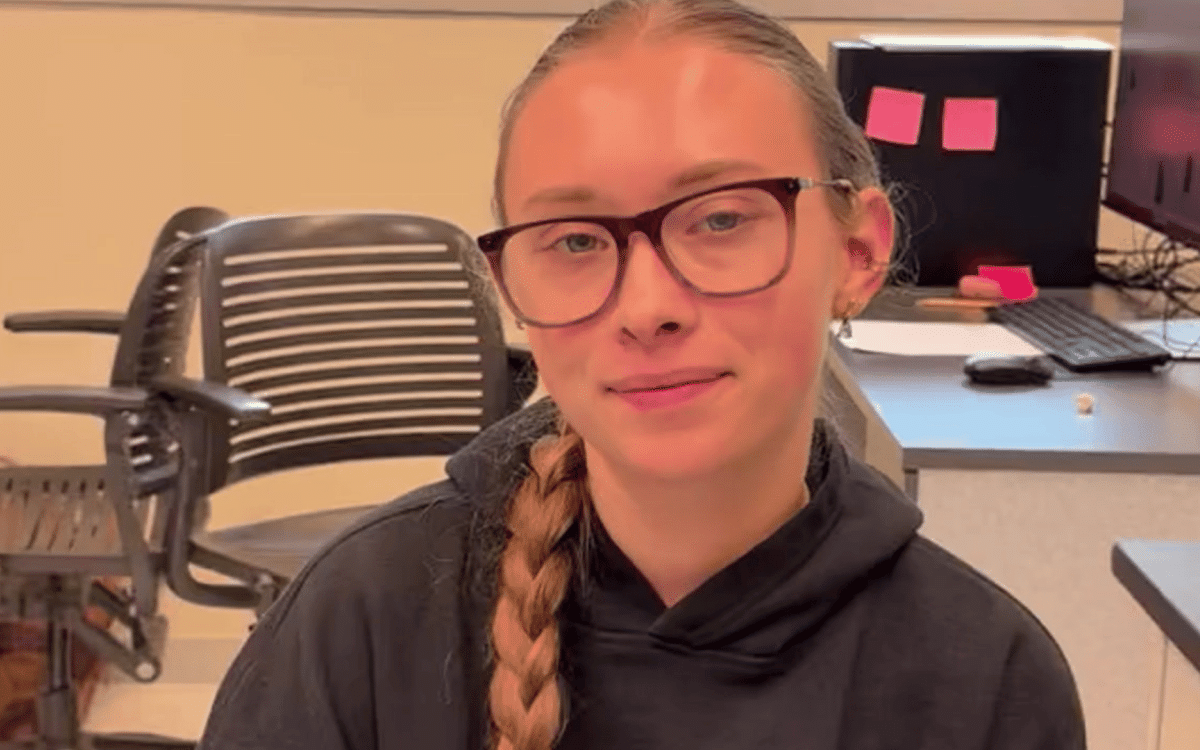
By Brooke Nicholson, Undergraduate Researcher at the RNA Institute, from SUNY Oswego
When I heard about my acceptance to UAlbany’s REU program, I didn’t know what to expect. My plan was (and is) to finish my undergraduate studies at SUNY Oswego and go on for a Ph.D. in biological research, so I was thrilled to get another chance to strengthen my skills. I had no idea how my time at the RNA Institute would solidify my future by exposing me to the day-to-day realities of research science.
I was assigned to Dr. Soma Dash’s developmental biology lab, where she and her research team focus on craniofacial dysmorphy in mouse models. Previously, I had only worked with yeast as a model organism, which made working with live animal samples an exciting prospect. I had never worked with any organism past the molecular level, and found it fascinating to see the final phenotypic expression of embryos due to small changes in the genome. I was also intrigued by RNA research itself, given its growing prominence in the world of genetics.
This summer has been a crash course in all these things. I have learned new lab techniques beyond basic PCR and genotyping; ways of using a Western Blot to characterize protein amounts; methods for comparing different proteins within a specific tissue with quantitative PCR; and special bioinformatics techniques to analyze my data. Working with different molecules and antibodies has helped strengthen my math skills, especially in calculating different concentrations of DNA, RNA, and protein, which is great preparation for grad school. However, the most valuable skill I’ve learned this summer is patience. I used to think about lab research as a grand adventure brimming with groundbreaking outcomes for researchers and patients alike. Working alongside Dr. Dash and the other grad students, I’ve gained a more grounded perspective. This work is hard. It’s tedious. Some procedures take days, even weeks, to complete and often, something goes wrong.
One thing I didn’t expect was the excitement of discovering the “why” behind a failed experiment: returning to the literature, drawing conclusions from my results, and using those conclusions to guide the next experiment. Maybe the most humbling experience I had this summer was spending four weeks running one experiment, only to realize that I had made a small error in one of the steps, which was why I wasn’t getting results. The experience was painful, but it was important. To say that this summer has been life-changing sounds trite, but it’s true. It has given me a realistic understanding of the challenges and rewards of scientific research and strengthened my passion for learning. I leave the program more prepared, more confident, and more determined to pursue a career in this field.