





International Conference at UAlbany Shines Light on the Future of Biophotonics
By Mike Nolan
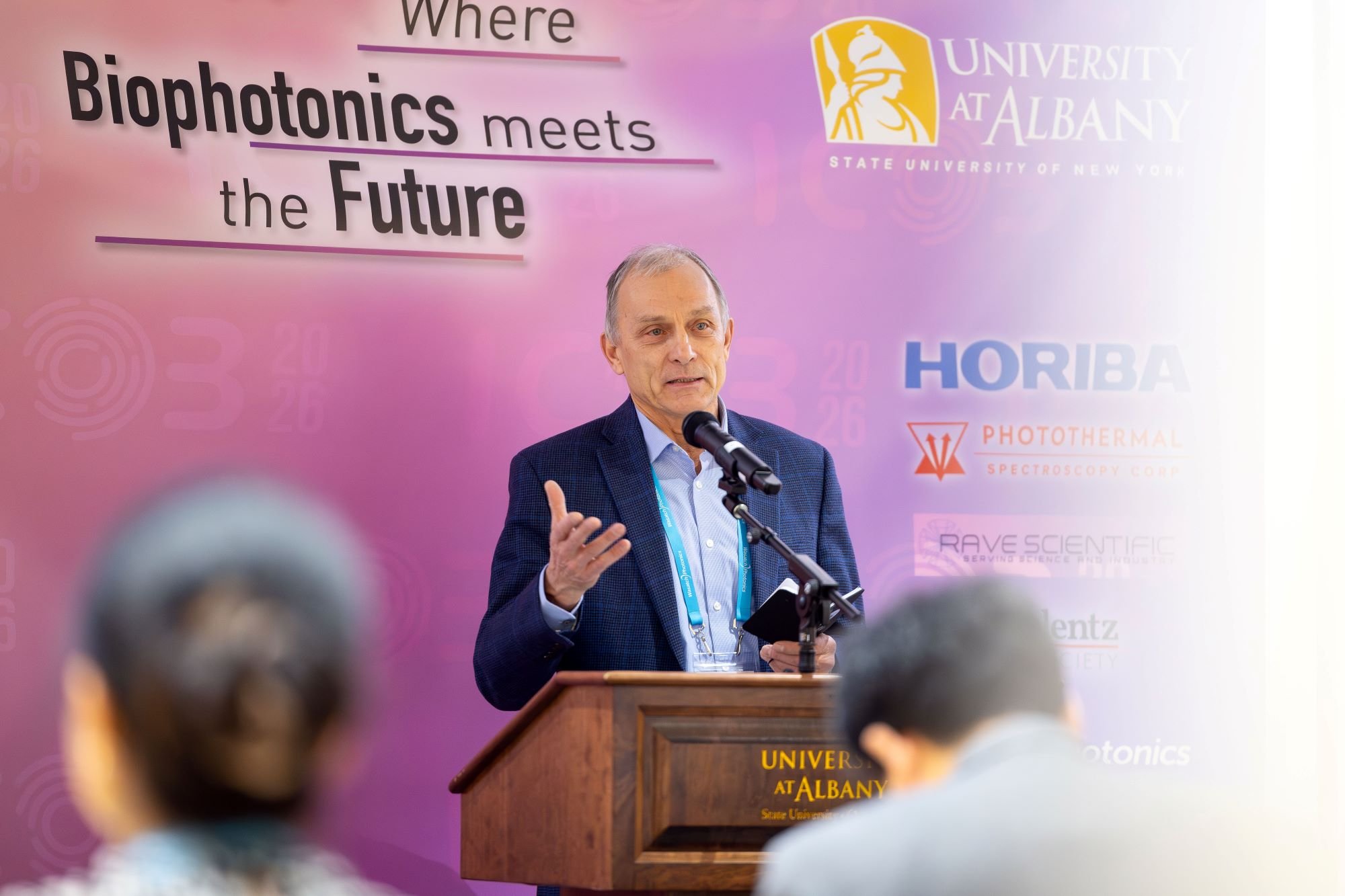
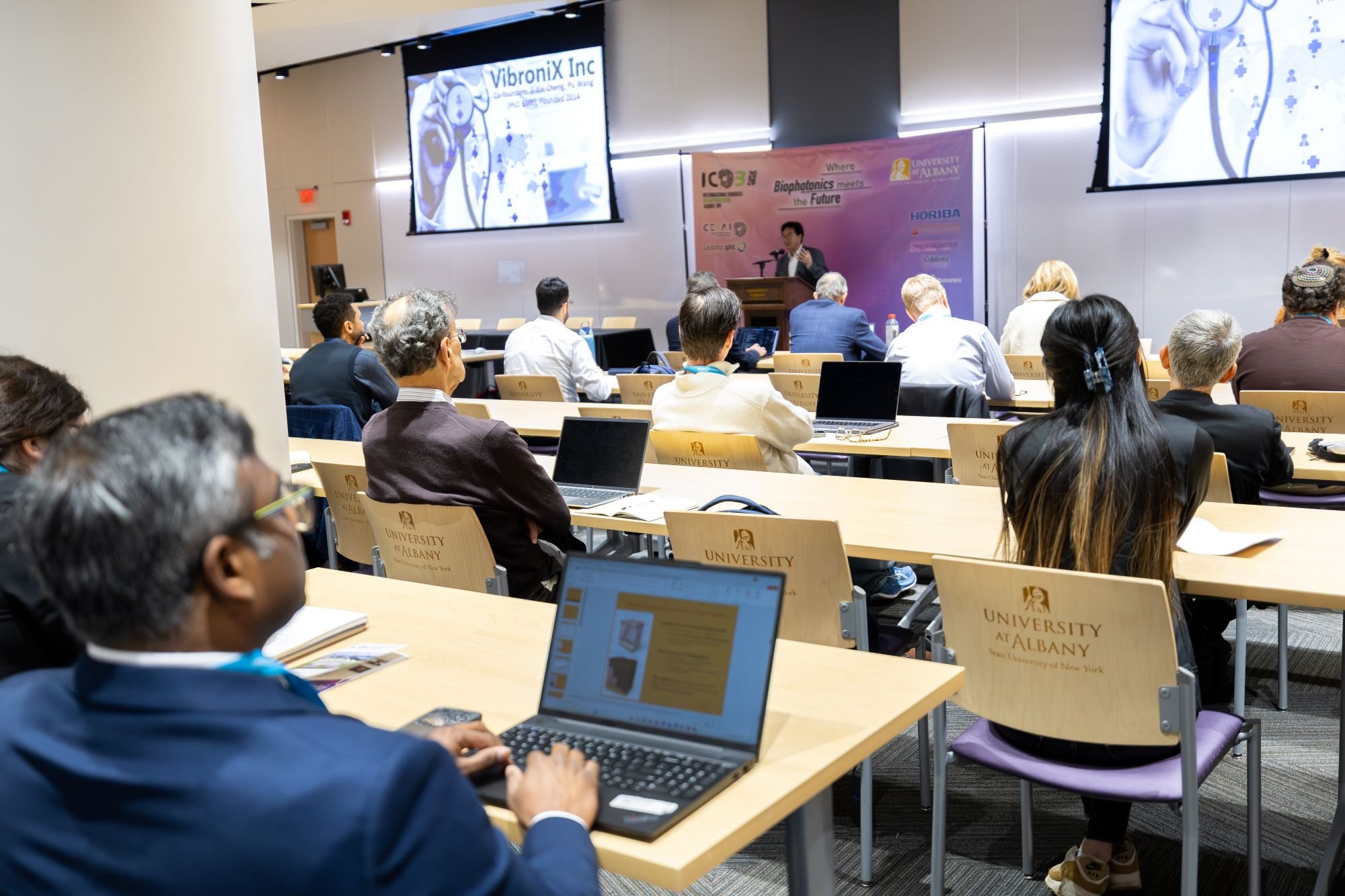
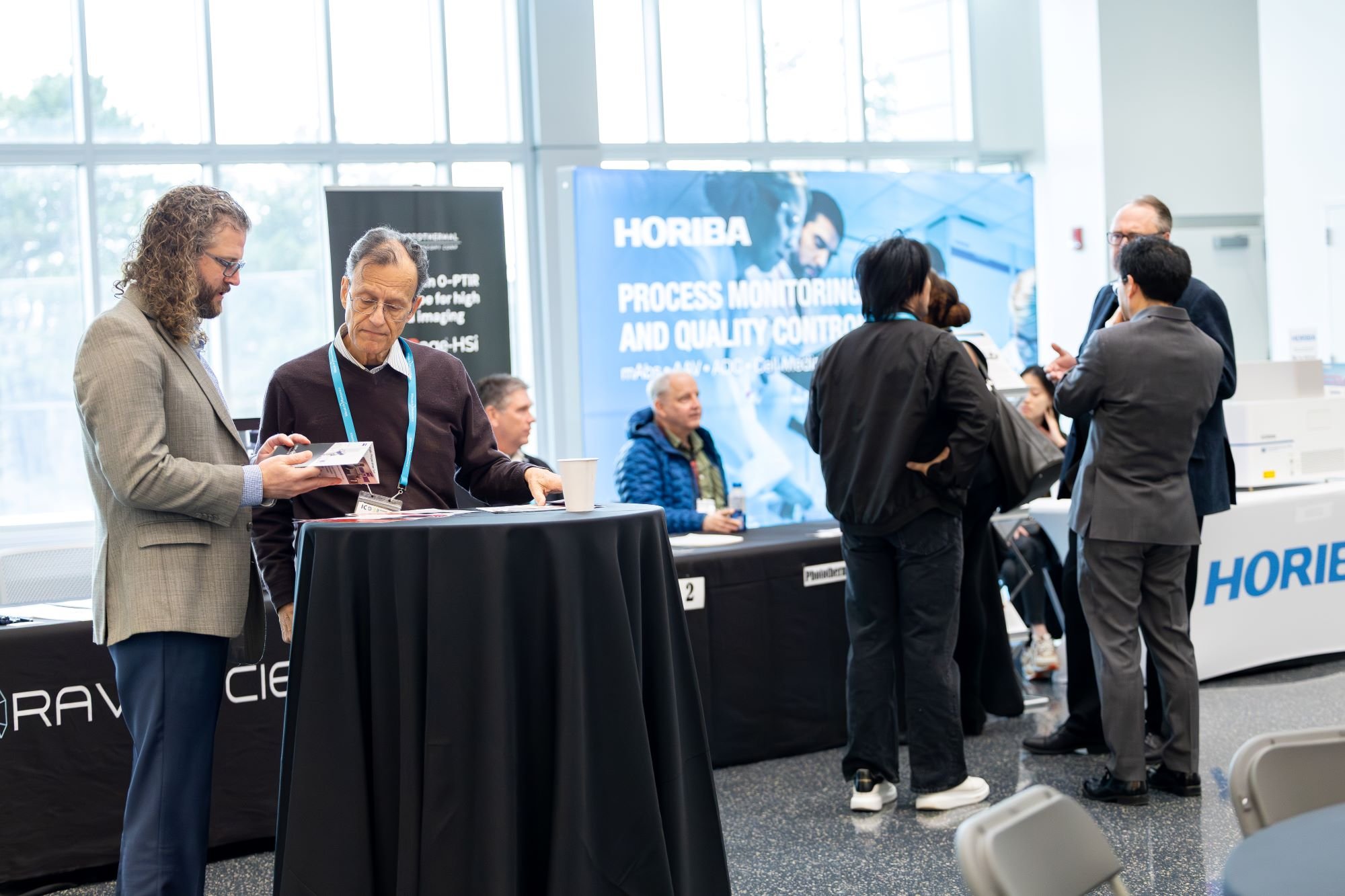
ALBANY, N.Y. (March 25, 2026) — The University at Albany hosted the 2026 International Congress on Biophotonics last week, marking the first time in more than a decade that the event was held in the United States.
Biophotonics is defined as the use of light to study and improve health. Researchers shine a laser light on cells, tissues and organs to see inside the body, detect diseases early, and even treat certain conditions, all without surgery.
As the leading international forum for light-based technologies in medicine and the life sciences, the International Congress on Biophotonics brings together scientists, clinicians, engineers, industry leaders and policymakers to explore how technology can shape the future of healthcare.
The 2026 congress was co-chaired by UAlbany chemist Igor Lednev, alongside Jürgen Popp, director of the Leibniz Institute for Photonic Technology in Germany.
“This is a very big deal for UAlbany,” said Lednev, a Distinguished Professor in the Department of Chemistry at the College of Arts and Sciences. “The congress takes a unique approach, bringing together experts from across the globe to not only focus on research, but also to translate scientific discoveries into medical and hospital applications.”
“It’s truly a pleasure to bring so many leading minds in our field together for this congress,” added Popp, an adjunct professor in UAlbany's Department of Chemistry. “Biophotonics is at a turning point. After years of advancing what we can measure, the focus now is on the impact we can create. Achieving this will require collaboration across disciplines, institutions and industries to translate discovery into real-world solutions that improve lives.”
Laser Medical Technology
Lednev has pioneered the use of Raman spectroscopy, coupled with advanced machine learning methods, for forensic applications and medical diagnostics. Raman spectroscopy is a non-destructive analytical tool that shines a laser on a sample and measures the scattered light. Each sample produces a unique pattern, similar to a fingerprint.
Based in Jena, Germany, Popp has dedicated his career to applying biophotonic and Raman spectroscopic methods to biomedical challenges. His research includes rapid diagnostics and targeted therapies for infectious diseases, as well as intraoperative tumor diagnostics.
Lednev and Popp launched the Center for Biophotonic Technology and Artificial Intelligence (CeBAI) together in 2024. The joint center, based at UAlbany, fosters related research between the two institutions.
“Jürgen’s institution is the leader in advancing laser spectroscopy for medical applications,” said Lednev. “He could have partnered with many prestigious universities, all of which would have welcomed him. We’re honored to collaborate on this work.”
From Science to Industry
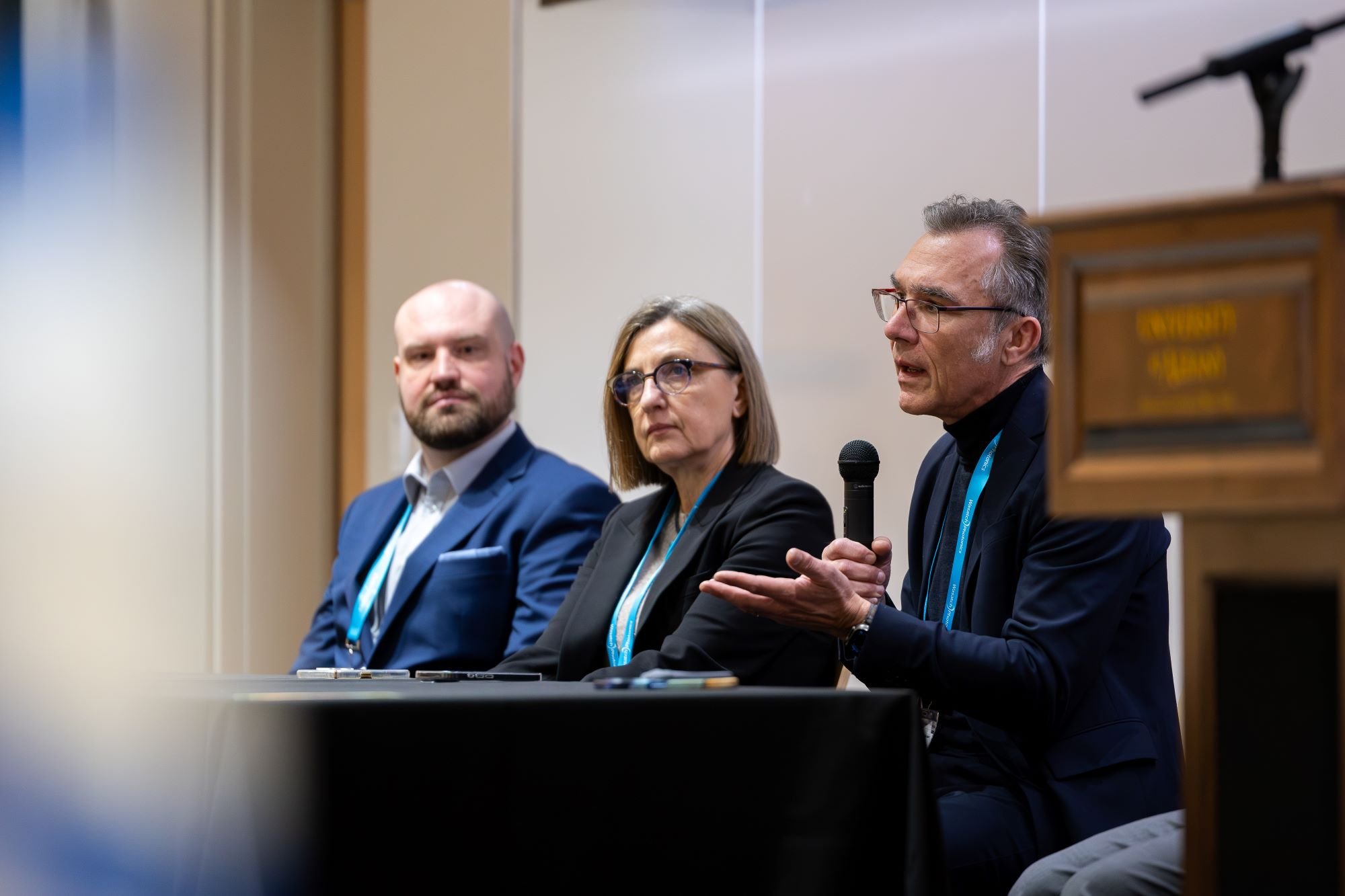
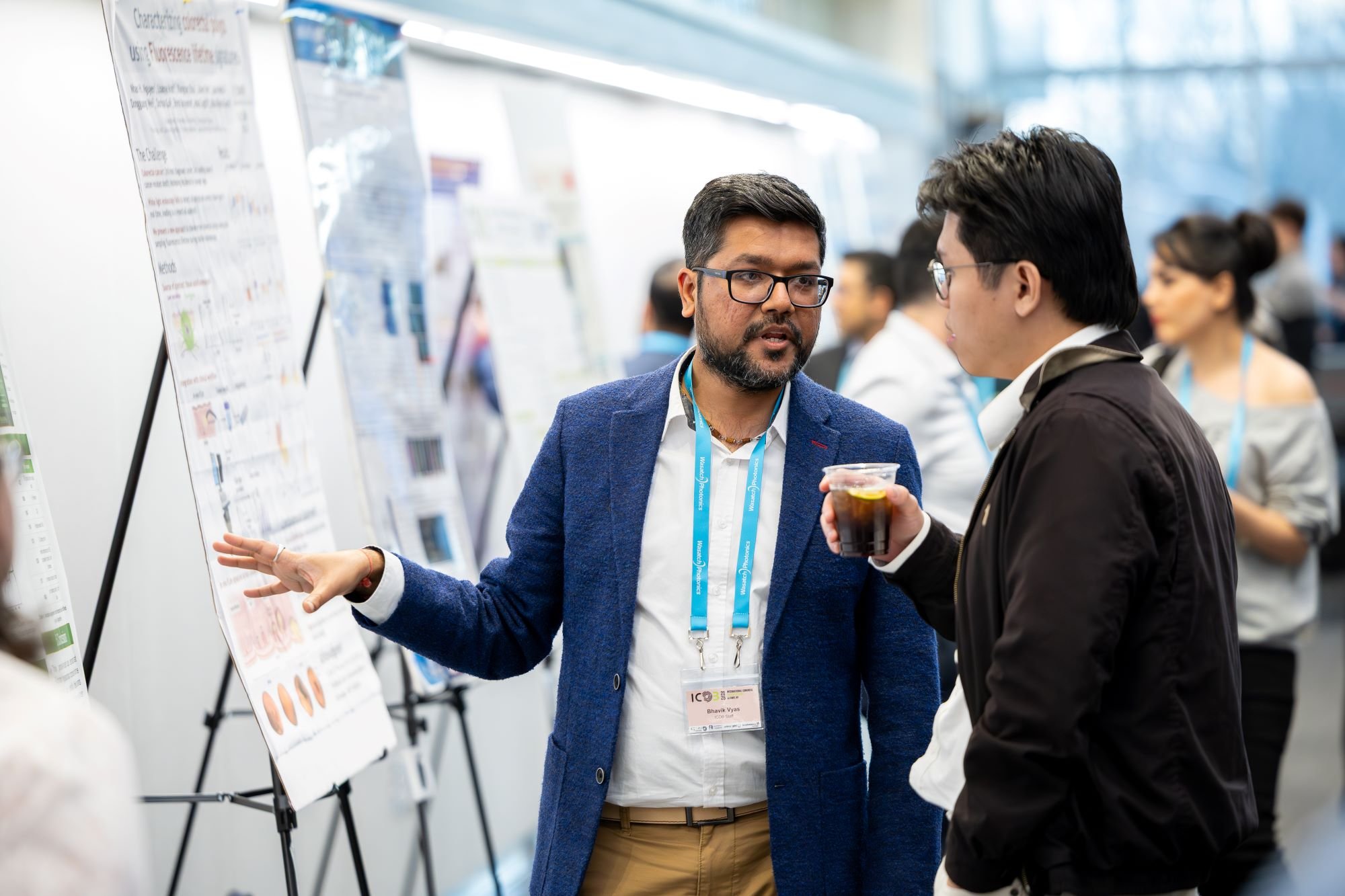
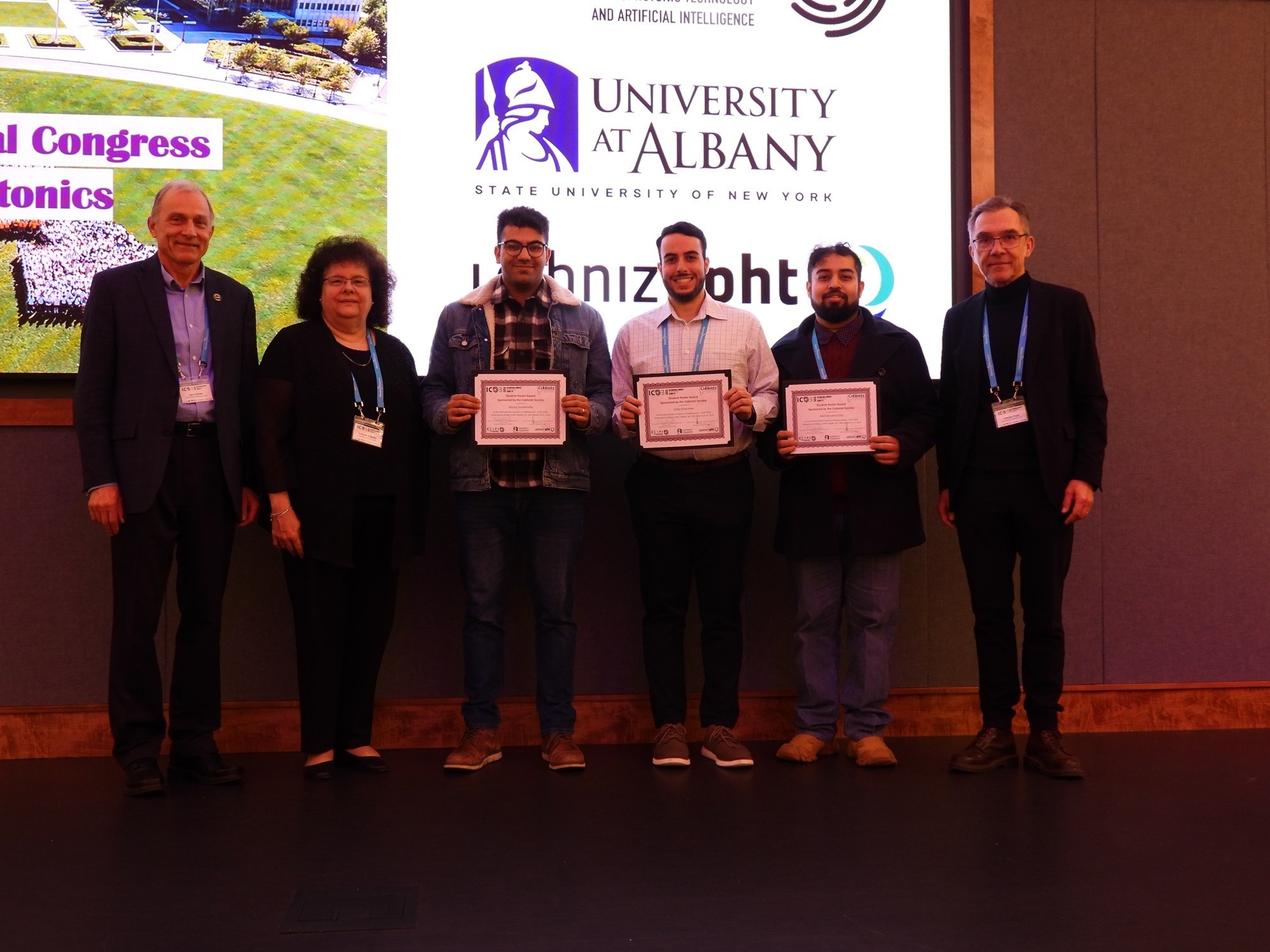
Last week’s congress featured speakers from around the world. Highlights included a panel on translating biophotonics research into clinical applications, sessions on biophotonics, robotics, and AI in disease diagnostics and medical research, and a poster competition.
The event also served as CeBAI’s annual meeting. The center recently published a paper in Analytical Chemistry that explores the use of a new laser technique to rapidly evaluate the integrity of mRNA vaccines and therapeutics.
“Hosting this congress was a great opportunity, especially as we develop our new center,” said CeBAI Program Manager Ewelina Mistek-Morabito, who earned her master’s and doctoral degrees at UAlbany under Lednev's mentorship. “It’s incredibly exciting to be part of this work, which could have a major impact on biotechnology and the future of medicine.”
Shortly after its launch, CeBAI added Kangwon National University’s Institute for Molecular Science and Fusion Technology as a partner. The director of the institute, Young Mee Jung, co-chaired a session at the congress on the application of biophotonics and robotics for cancer diagnostics.
CeBAI is focused on fostering collaboration among the three research labs and advancing the commercialization of their work.
Photos by Patrick Dodson