





UAlbany Summer: Students Dig into Pine Bush History
ALBANY, N.Y. (July 30, 2026) — Hidden beneath the Albany Pine Bush are the remains of a tavern where travelers once ate, drank, smoked and traded news along the road between Albany and Schenectady.
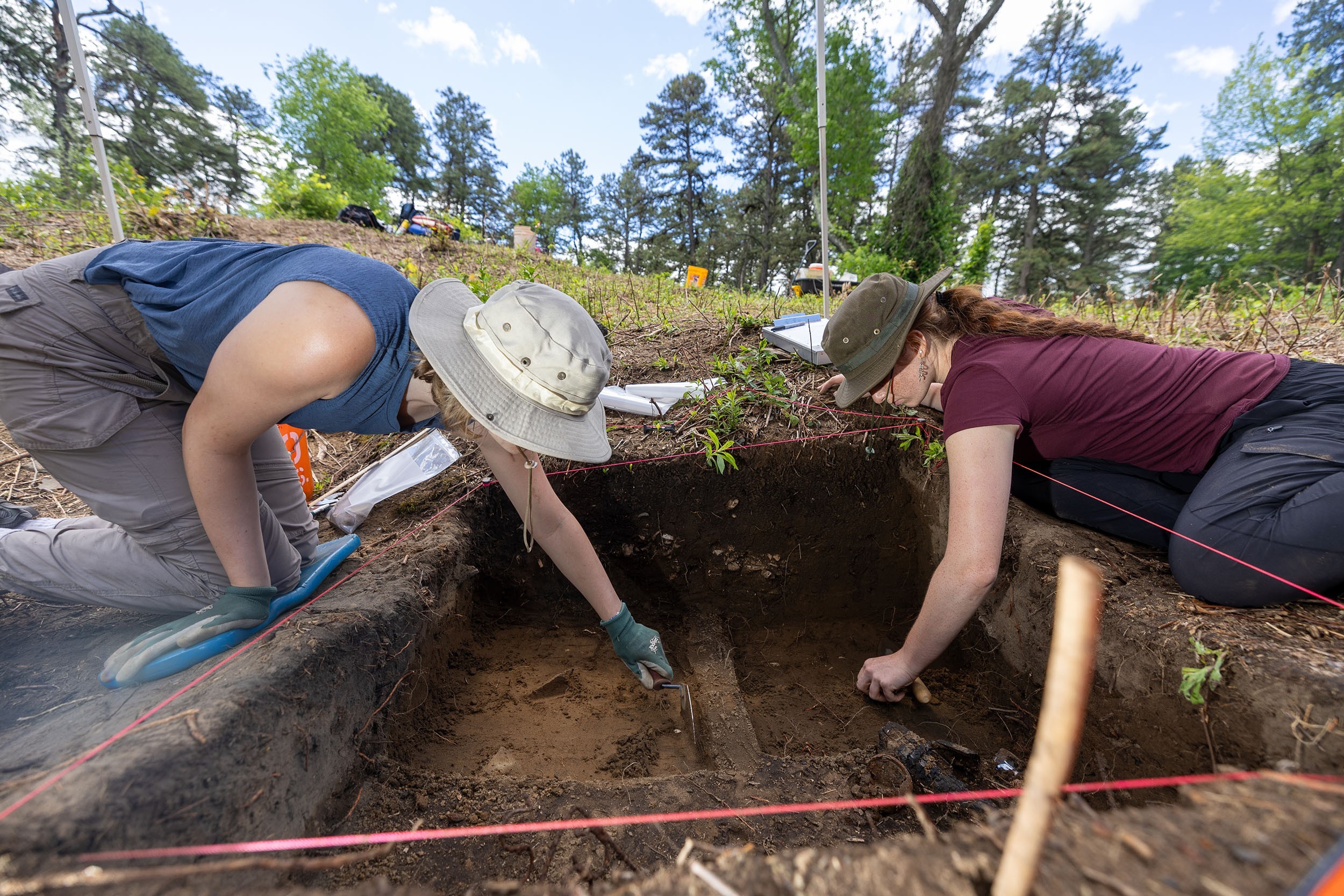
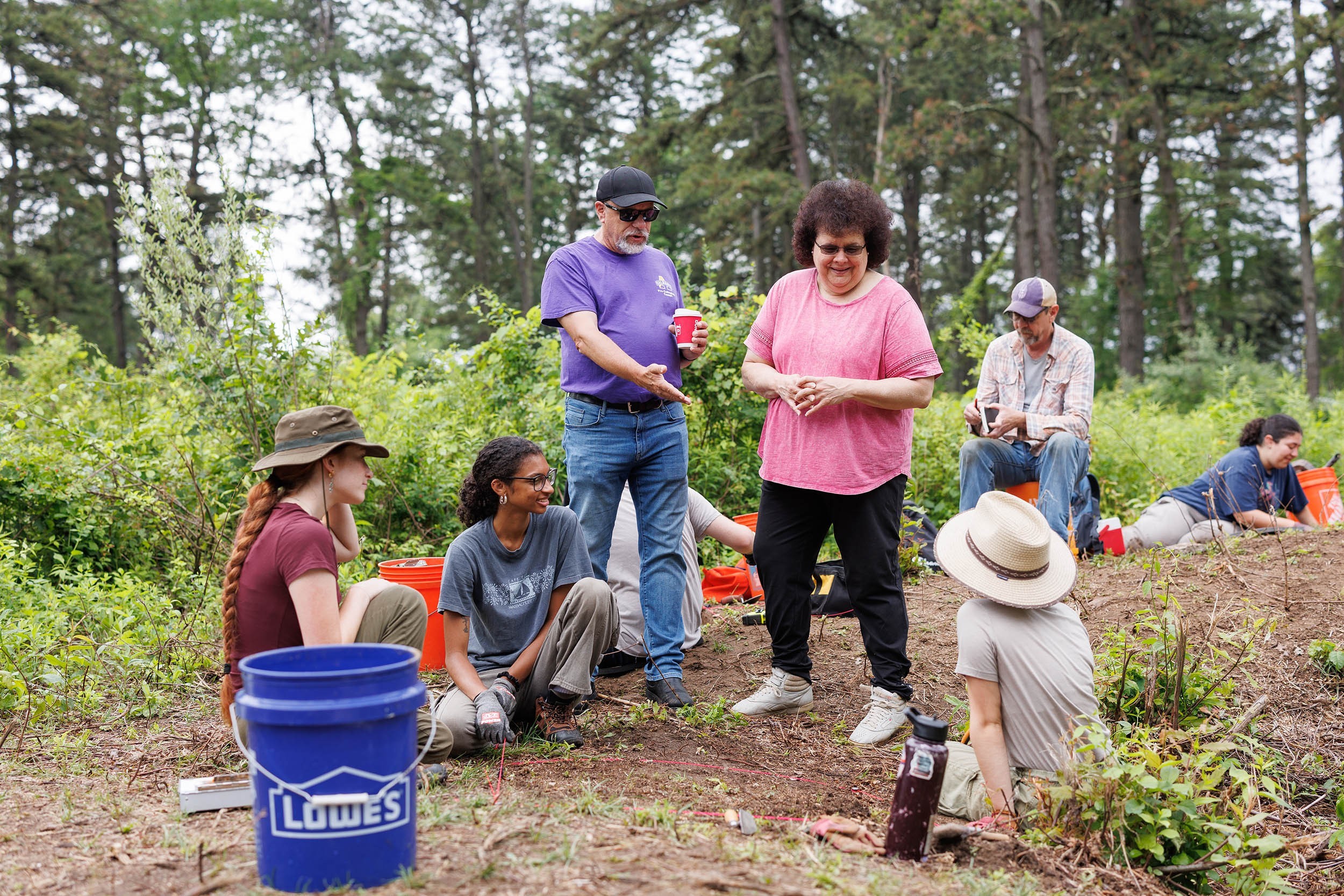
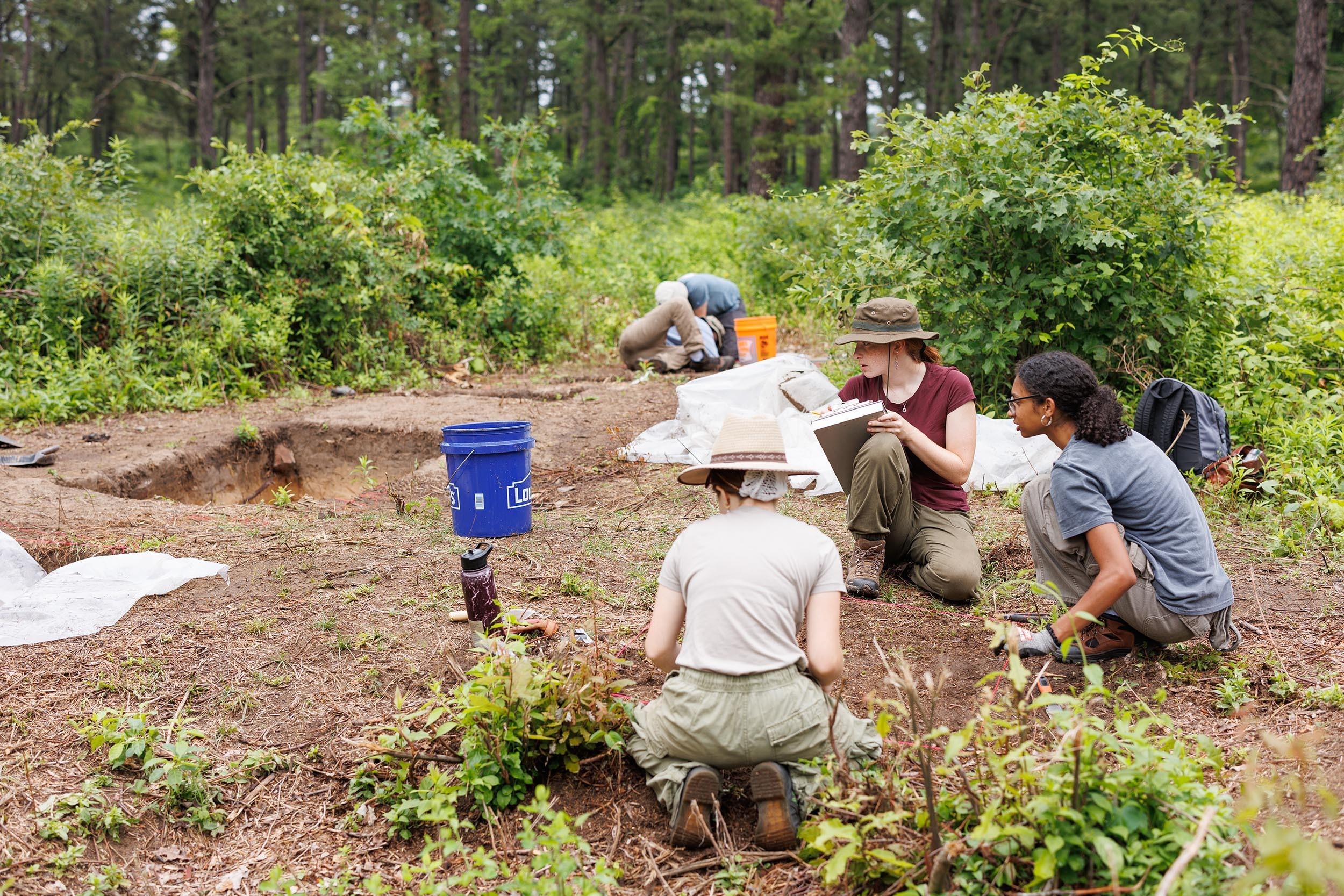
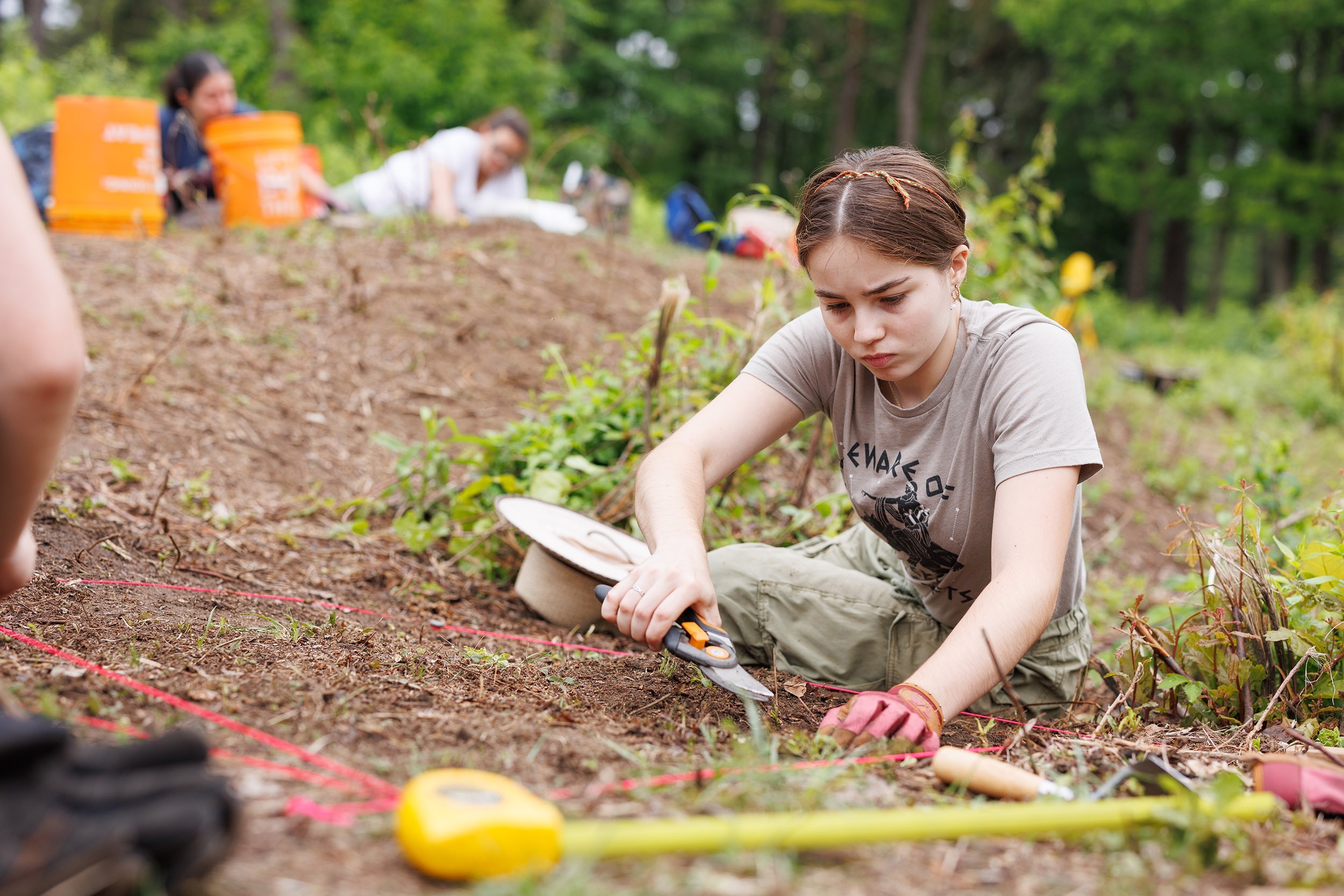
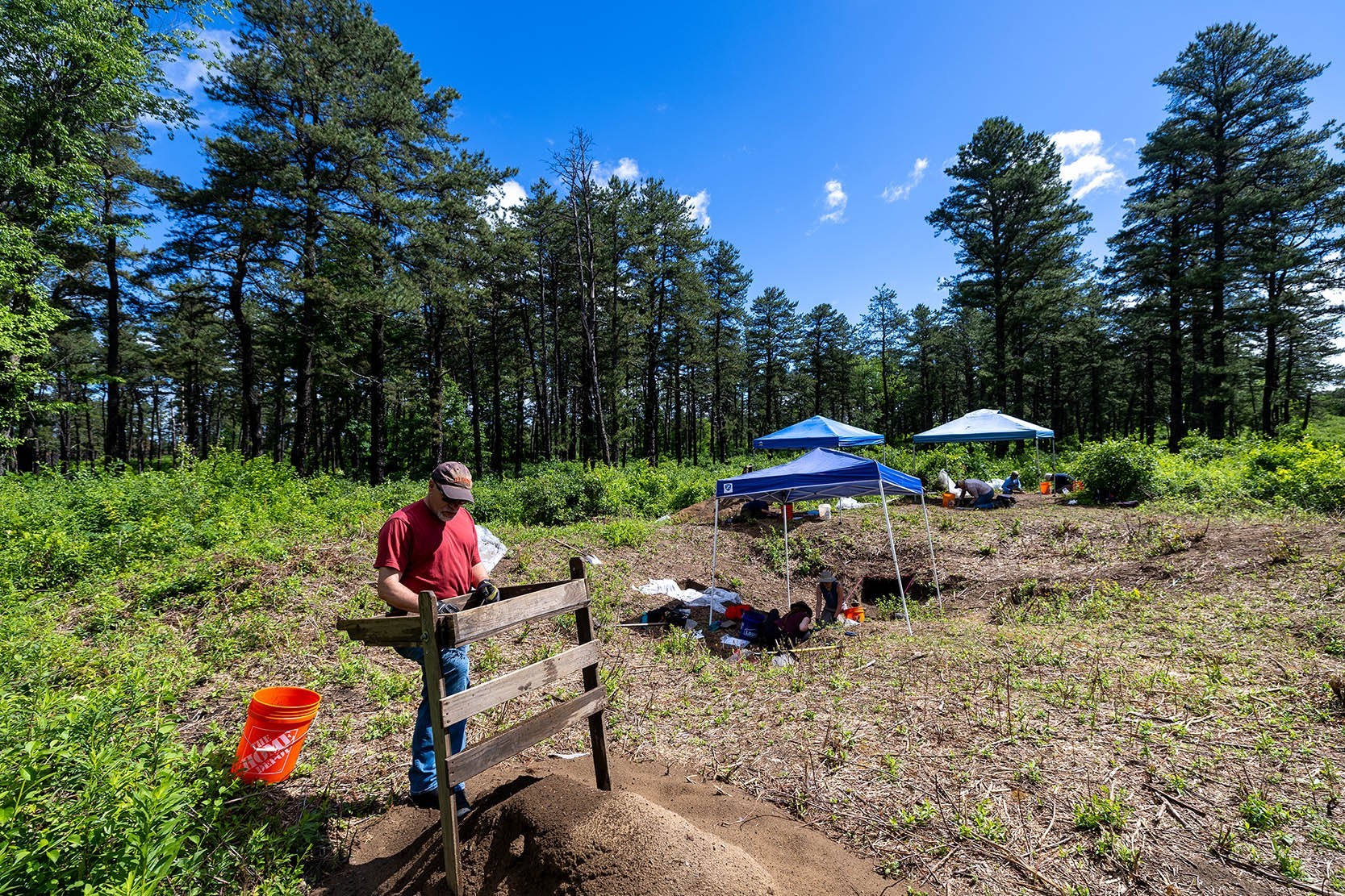
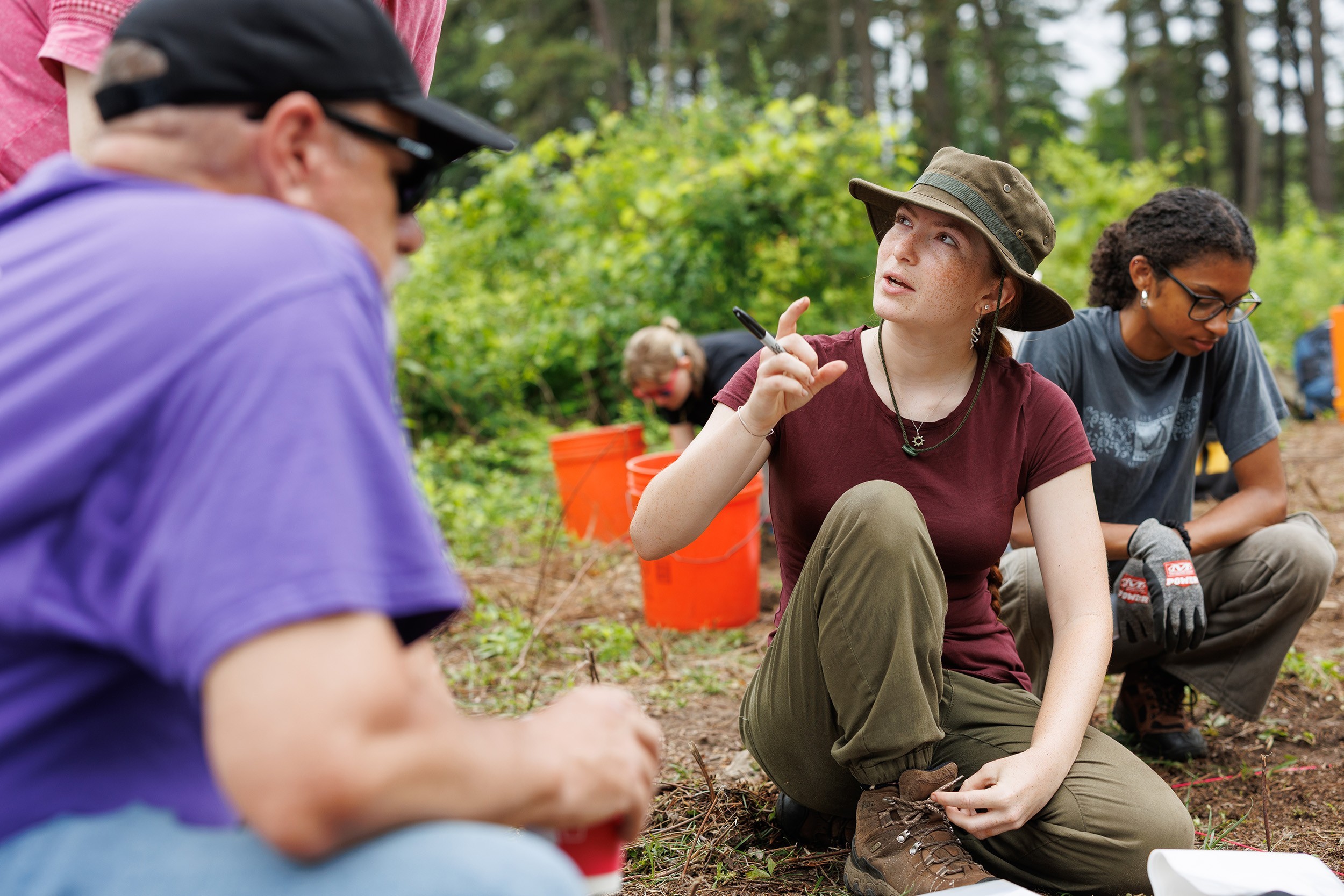
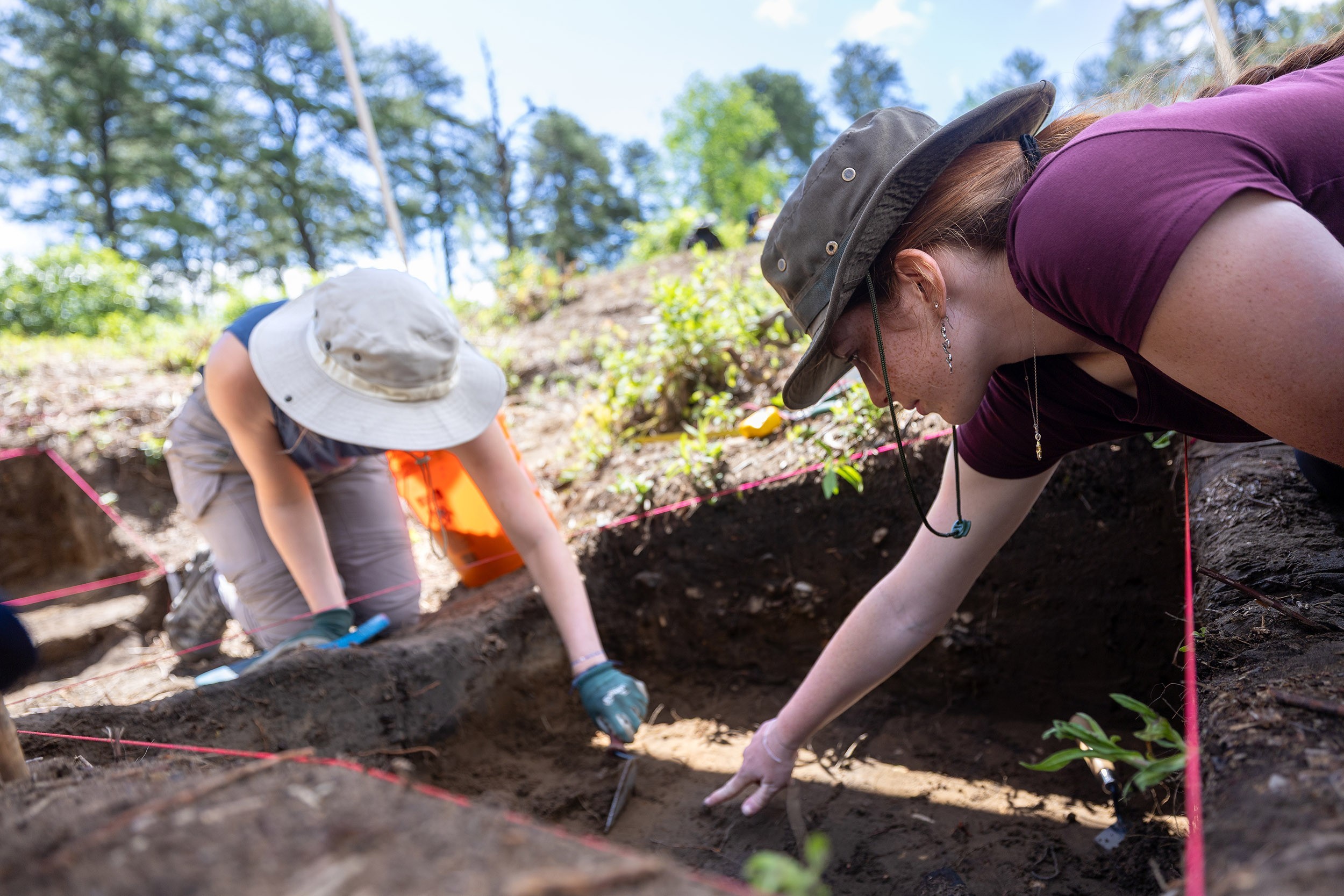
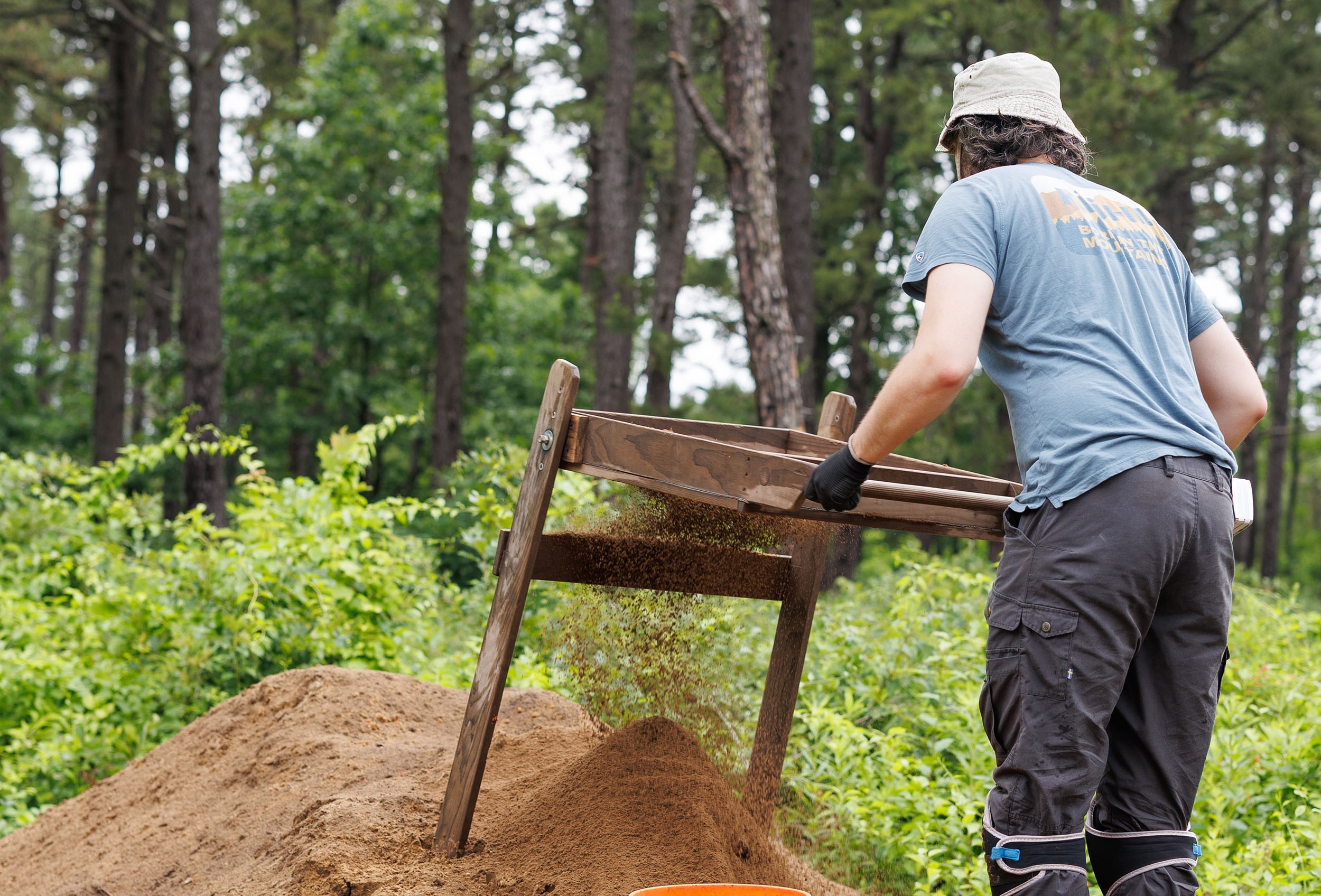
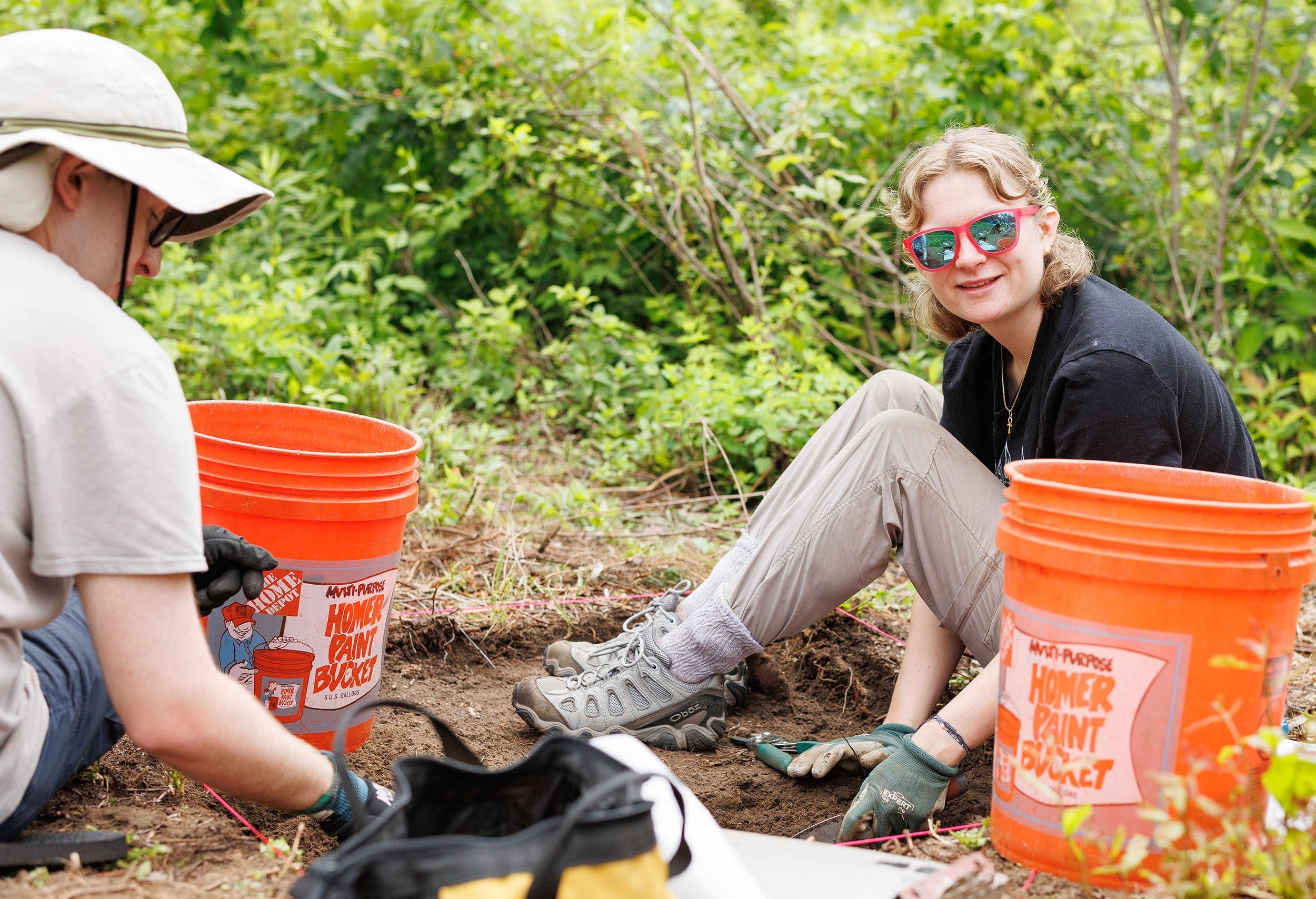
This summer, 10 UAlbany undergraduates, a graduate student and several volunteers set out to find what was left. Working through an archaeological field school led by Professor and Chair of Anthropology Sean Rafferty and Associate Professor of Anthropology Christopher Wolff, they mapped the site, excavated its collapsed cellar and learned to recognize the subtle changes in soil that can reveal where people lived nearly 250 years ago.
Historical maps and written accounts placed the tavern along what is now Kings Road, known in the 18th century as the King’s Highway, an important route connecting Albany and Schenectady. Researchers narrowed its location using adjoining roads depicted on early maps, while a deep depression in the ground — characteristic of a collapsed cellar — provided a starting point for the excavation.
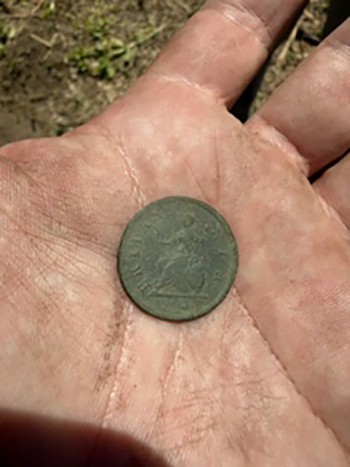
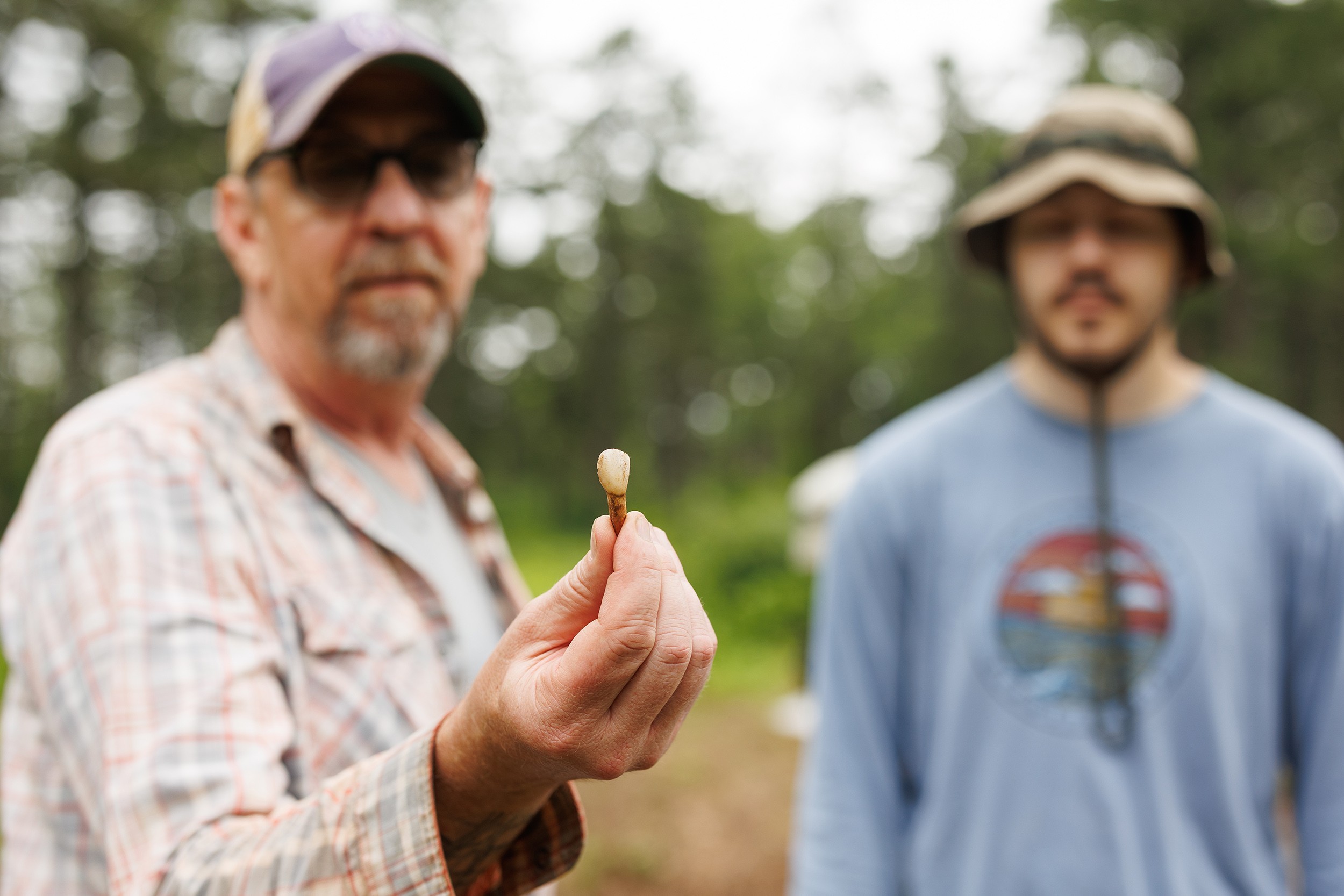
Among their discoveries was a King George II halfpenny minted decades before the tavern is believed to have operated.
“Finding the King George II halfpenny was a career first,” Rafferty said. “The coin is much older than the tavern, but that helps tell its own story.
Hard currency was valuable enough that even a coin bearing the recently discarded English monarchy could remain in circulation nearly a century after it was minted.”
Students also recovered smoking pipes, clothing buttons, a thimble, ceramic vessels, medicinal and liquor bottles, drinking and window glass, animal bones and thousands of pieces of brick, mortar, nails and other building materials.
“This was a public space where presentation mattered,” Wolff said. “The buttons, pipes, ceramics and glass suggest a successful tavern serving a broad range of travelers. Unlike a farmstead or private home, the site may show us how people wanted to be perceived, what they consumed and how they socialized while moving between Albany and Schenectady.”
“This specialized field school provides students with extraordinary, hands-on learning experiences that translate archaeological concepts into real-world skills while uncovering artifacts that serve as keys to understanding the past,” said College of Arts and Sciences Dean Jeanette Altarriba, who toured the site in June.
Students will continue studying the artifacts and conducting historical research over the coming semesters, carrying the project from field excavation through analysis, interpretation and the eventual presentation of its findings.