





UAlbany Researcher Awarded $3.9M to Study Cell Response to Wood Smoke — With Implications for Firefighter Health
By Erin Frick
ALBANY, N.Y. (July 27, 2026) — Nutrients found in yogurt and energy drinks could help protect firefighters against respiratory damage caused by wood smoke exposure.
This premise is being explored as part of a five-year research project led by collaborators at the University at Albany, Massachusetts Institute of Technology (MIT) and the University of Arizona, who were recently awarded $3.9 million from the National Institute of Environmental Health Sciences to investigate how cells respond to naphthalene, a harmful chemical found in wood smoke and other combustion products.
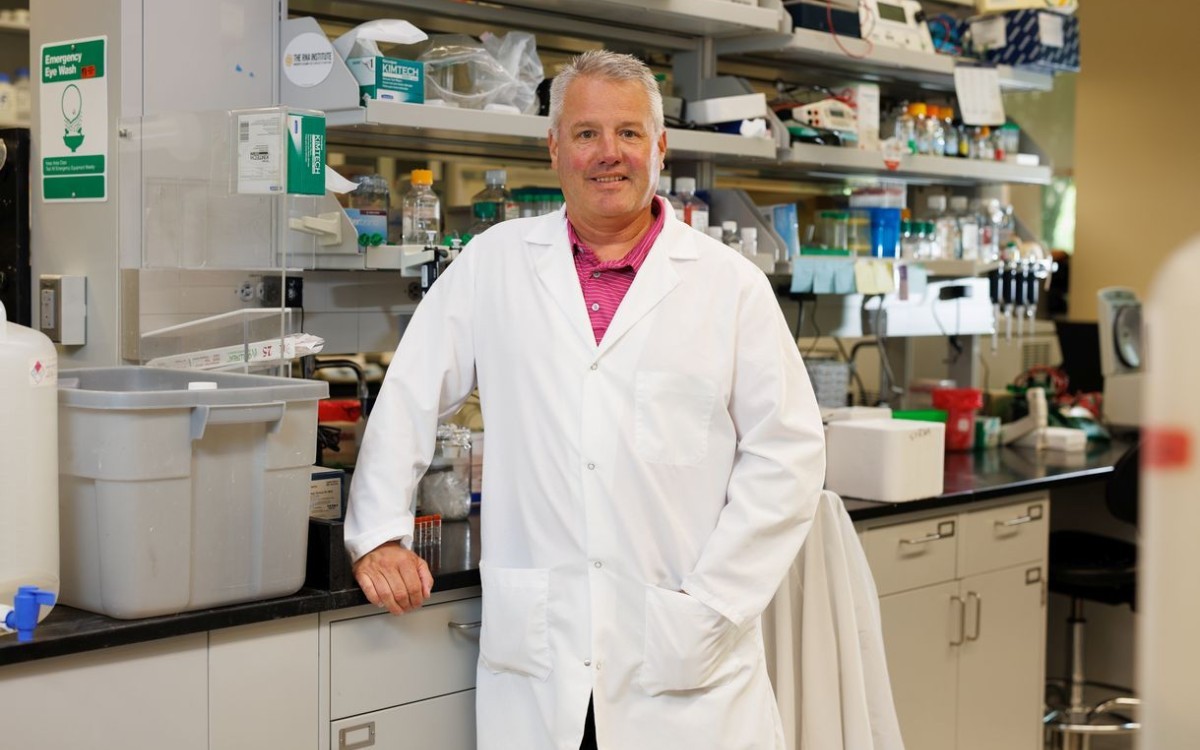
“Naphthalene, the active ingredient in mothballs responsible for their iconic smell, is also present in wood smoke and many other things we burn,” said project co-principal investigator Tom Begley, Distinguished Professor of Biological Sciences and associate director of the RNA Institute at UAlbany.
“Inhaling the chemical is associated with respiratory toxicity and it has been classified as a possible human carcinogen, with links to lung cancer. It is estimated that 100 percent of Americans have been exposed to naphthalene during their lifetime, with some professions or lifestyles having higher exposures. Understanding how naphthalene effects cellular mechanisms that ultimately govern health is critical to developing strategies to defend against negative effects before they take hold, and to fight respiratory issues caused by naphthalene exposure.”
This latest study builds on 15 years of prior research led by Begley exploring how environmental exposures influence RNA modifications.
“By analyzing cellular changes caused by naphthalene exposure — signals like altered gene regulation or RNA modifications — we can begin to understand how the chemical triggers lung toxicity,” said Begley, who also holds the position of Williams-Raycheff Endowed Professor in Biology at UAlbany. “Over the course of this study, we will examine effects of exposure on human cells, mouse models and blood samples taken from active firefighters.”
Key to this effort is the University of Arizona’s Firefighters Cancer Cohort Study, which follows firefighters in the Southwest through training and active duty where naphthalene exposure via inhaled wood smoke is a risk inherent to the job. Blood samples collected through this program will be sent to UAlbany for RNA analysis.
The team also aims to assess RNA modifications as biomarkers of exposure and disease, enabling more personalized preventive and medical approaches based on an individual's genetics and response to environmental stimuli.
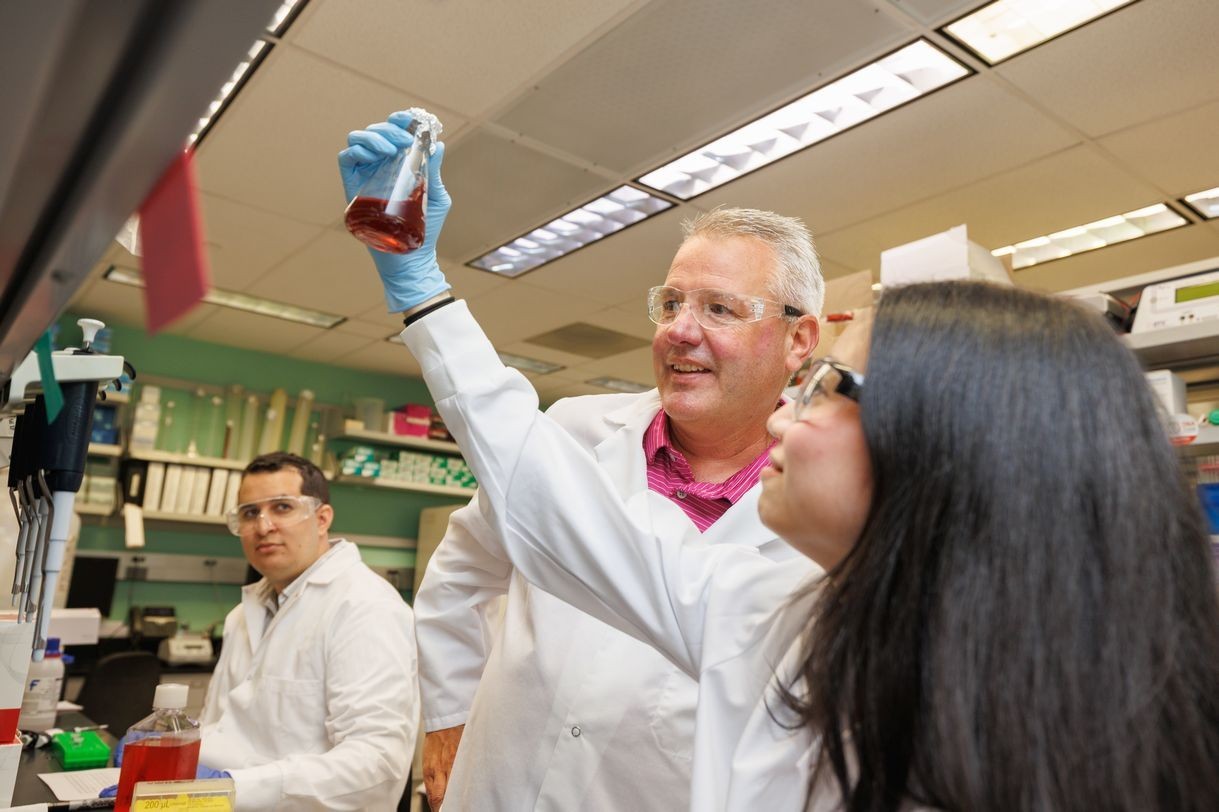
“Our ultimate goal is to understand effects of naphthalene to inform mitigation strategies, which would have the potential to prevent lung-based diseases” said Begley. “Wearing a respirator is a conventional protective measure in firefighting, but wearing one isn’t always feasible. This makes biology-based tools like ‘nutraceuticals’— molecules found in food that have been shown to interact with RNA modifications in protective ways — an important area of exploration.”
One example is a molecule called queuosine (Q) — an essential nutrient that humans obtain from food and their gut microbiome — which plays an important role in antioxidant defenses and mitochondrial health. Q is found in high concentrations in yogurt and could strengthen defenses against respiratory irritants like wood smoke. Another molecule, taurine, a common ingredient in energy drinks, is also found in mitochondrial RNA and could help block effects of breathing wood smoke.
“Firefighters face innumerable risks to their health and well being, so understanding how certain chemical exposures exacerbate risk is a critical area of study,” said Begley. “Identifying how naphthalene affects cells is an important step in being able to offer recommendations for ways to guard against its harmful effects. This knowledge could also someday inform approaches to treating diseases in which naphthalene exposure played a role.”
The recently awarded NIH funding not only helps advance science that improves public health and could save lives, it also plays an essential role in training students and developing the next generation of scientists and technologists who can tackle human health challenges.
“At UAlbany, we’ve already hired a new student researcher to fine-tune the methodology for extracting RNA from blood samples that we’ll receive from Arizona,” said Begley. “We are grateful for grants that enable us to ensure the longevity of the research while bolstering the scientific workforce of the future.”
“Before joining this project, I worked in healthcare, which helped me understand the real-world impact of this research,” said Sophie Von Bargen, who joined the Begley lab earlier this summer and is starting her MS in biological sciences at UAlbany this fall. “What drew me into this project was its implications for human health, starting from a very small part of our cells — RNA. My role is to extract and purify RNA from blood samples and analyze them. This analysis could help us understand how naphthalene may contribute to lung-based disease risk. Long-term, this research could also help improve firefighter safety and, because it's estimated that we have all been exposed to the chemical, support public health broadly.”
The five-year project is well underway, including experiments on human cells and animal models. The team expects to begin working with blood samples from firefighters exposed to wood smoke within the next two years.