





Master of Public Health Students Support Local Community Health at RISSE

By Erin Frick
ALBANY, N.Y. (Aug. 5, 2026) — Students at the University at Albany’s College of Integrated Health Sciences don’t just learn the theory behind what supports a healthy society; they get involved in making it happen.
As part of their Master of Public Health (MPH) course, UAlbany’s Nagifa Tabassum MPH '26 and Victoria Buell MPH '26 both interned at Refugee & Immigrant Support Services of Emmaus (RISSE) — a local organization with longstanding ties to UAlbany’s public health programs.
RISSE supports individuals and families who have relocated to the Capital Region, connecting them with health and wellness resources, housing, language and legal supports. Other core services include English language classes, an afterschool program for children and connections to food pantries, baby supplies and other community resources.
UAlbany's partnership with RISSE emerged as part of the Center for Global Health's “Glocal Initiative,” which aims to expose graduate students to international perspectives while working with public health organizations and serving the local community.
Hear from Tabassum and Buell about their experiences supporting local public health at RISSE:
— Video by Scott Freedman
Nagifa Tabassum: Finding Purpose Through Her Roots
During her summer 2025 internship at RISSE, Nagifa Tabassum organized wellness events, created health literacy materials and taught healthcare vocabulary to adult English language learners. These experiences solidified her passion for health education.
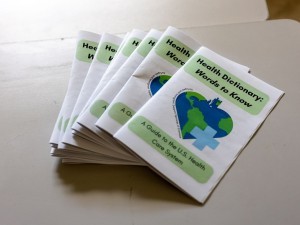
“I started undergrad thinking I wanted to become a doctor, but I switched to public health when I realized that it allows more time for patient education, which is what I most enjoy,” Tabassum said. “In a clinical setting, you have to be very efficient. In public health, I feel like you often have more time to interact with your clients on a deeper level, and by better understanding them as people, it becomes possible to make real inroads to support their health.”
During her internship, Tabassum helped organize a free health screening event offered in partnership with Albany Med, and a community yoga session focused on mental health produced with St. Peter's Health Partners.
Another key project involved teaching RISSE clients essential healthcare vocabulary — such as the difference between visiting an urgent care clinic and an emergency room.

“After one of the health care terminology classes, a man came up to me and said, I'm so glad you taught us about insurance cards. My wife and I didn't know what they were, and you really helped us out,” Tabassum explained. “The U.S. healthcare system is not an easy one to navigate, even if you’re a native English speaker. His comment made me realize that understanding these terms can be the difference between someone accessing essential care or going without.”
In another instance, Tabassum was able to draw on her Bengali language fluency to help a client access treatment for diabetes.
“In one particularly memorable interaction, I got to use my language skills to help a woman who only spoke Bengali talk about her diabetes, connect her to resources, and just give her support,” Tabassum said. “My family immigrated to the U.S. from Bangladesh, and I remember my mom being in the same situation — not only moving to a new country and having to navigate a new health care system, but also learning new vocabulary at the same time. It was surreal to now be in the ‘teacher’ role. Experiences like these showed me that this is the community I want to work with — helping to support them and make them feel safe and seen.”

Victoria Buell: Bridging Cultures Through Community Health
As an MPH student at UAlbany, Victoria Buell specialized in social behavior and community health, earning certificates in global health studies and public health surveillance and preparedness. Her path to public health began during her undergrad years, when she studied biology and anthropology, and deepened through an international MPH internship at the Engeye Health Clinic in Uganda, where UAlbany students have gained firsthand experience working in maternal and family health since the early 2000s.
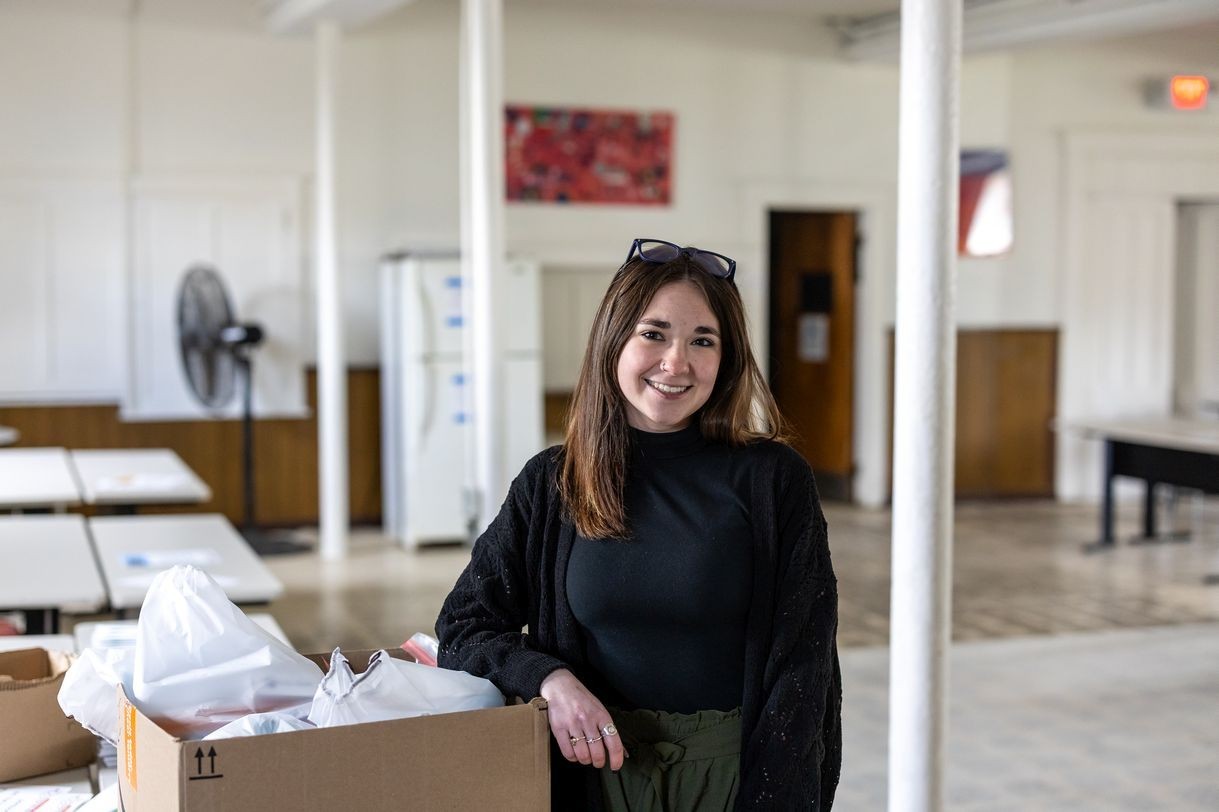
For Buell, her passion for public health stems from an interest in integrating traditional health practices from cultures around the world into modern Western medicine.
“Health has different meanings and definitions, and it looks different to everybody, especially across cultures,” said Buell. “Just because one culture's view of health differs from ours in America doesn't mean it’s wrong. By expecting people to give up their cultural health beliefs when they arrive, not only does that damage trust in the Western healthcare approaches that are dominant here, we are also ignoring the efficacy of traditional practices that have worked for millennia.”
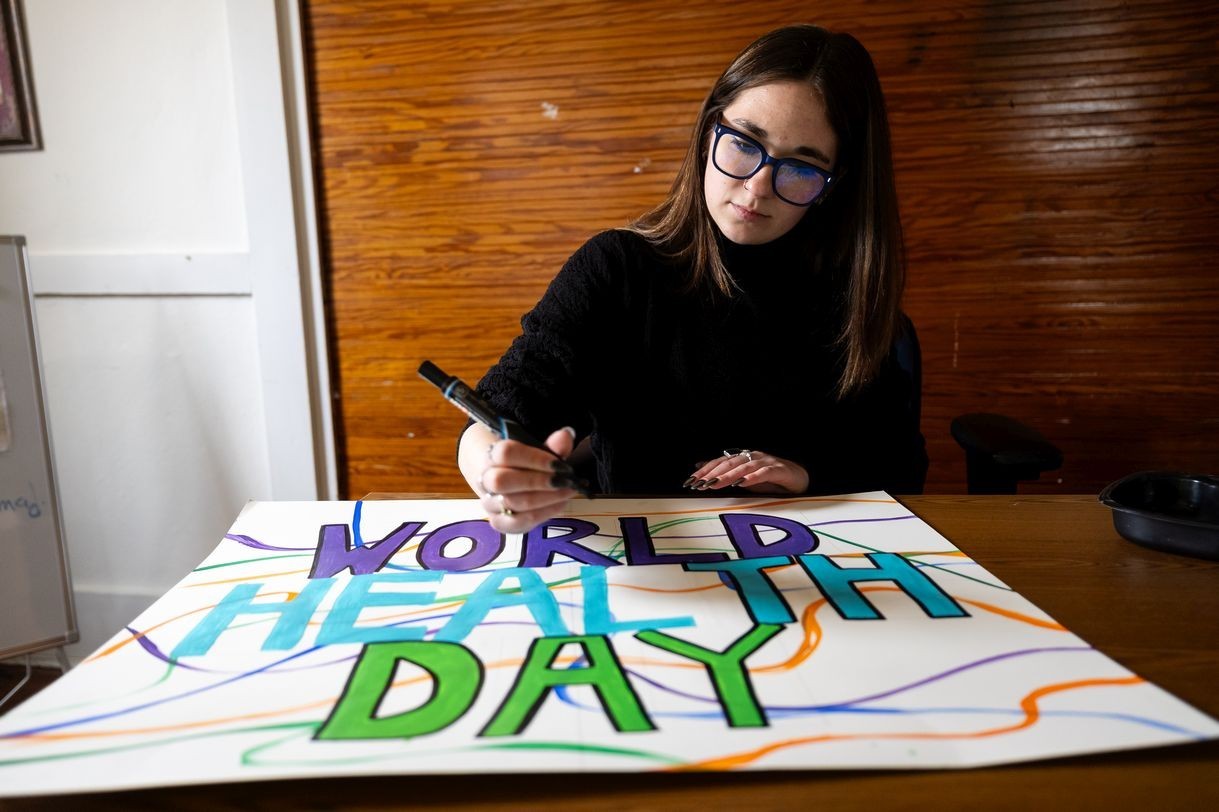
During her spring 2026 internship at RISSE, Buell developed a community health needs assessment to collect foundational data on the client population and what they need. Working with caseworkers, professors and translators, she built a survey to gather baseline data about how well RISSE is addressing its clients' health needs and where gaps remain.
Through that process, she observed that the population RISSE serves frequently goes without medical care because other immediate survival concerns — like immigration cases, housing, food and their children's safety — are more pressing.
“When people are learning how to get by in a new country, health is not a number one priority, and preventive care especially falls through the cracks,” said Buell.
“Why would you go get a screening when you don't know if you'll be able to provide food for your family tomorrow? This creates huge gaps that lead to bigger problems later. Helping people connect to basic health resources is essential to ensuring they can establish a healthy, fulfilling life in this country. Removing barriers to care and helping people access the services they need is a real priority at RISSE.”
