





Inside the Pour: Heat, Metal and Mastery in the Boor Sculpture Studio
ALBANY, N.Y. (April 20, 2026) — A blast of green flame erupts at the mouth of the furnace, the roar of forced air filling the studio as heat rolls outward and the smell of scorched ceramic and metal hangs in the air. When a crucible glowing bright red rises from the chamber, its contents swirling like liquid fire, Roger Bisbing steps into position with the steady authority of a master blacksmith, guiding the pour with smooth, practiced precision.
In lost-wax casting, students first create their sculpture in wax, then build a heat-resistant ceramic mold around it. The mold is heated so the wax melts away, leaving a hollow cavity. Molten metal, such as bronze or aluminum, is then poured into that space, hardening into the final form.
Bisbing, instructional support technician in sculpture, has worked at the University at Albany since 1991. An MFA graduate of Syracuse University, Bisbing manages the technical operations of the Boor Sculpture Studio, helping students bring complex ideas to life through hands-on processes that demand focus, timing and care.
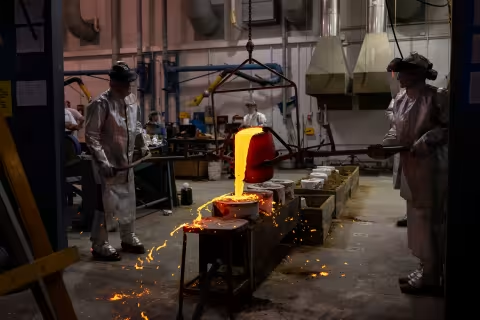
“Lost-wax casting is a 4,000-year-old process, but it still gives students something they can’t get any other way,” Bisbing said. “They start with a material they can shape easily, like wax, and then transform it into something permanent. Most of them won’t go on to work in a commercial foundry, but they leave understanding how it’s done — and knowing they’ve done it themselves. That experience builds confidence in a way that’s hard to replicate.”
Explore more from the Department of Art and Art History at https://www.albany.edu/art.