





Study Highlights How Tribal Libraries Bridge the Digital Divide

ALBANY, N.Y. (Aug. 28, 2025) — A new study led by researchers at the University at Albany’s Center for Technology in Government finds that in some rural and tribal communities, the public library remains the single most important access point for technology, learning and civic engagement — often functioning as the community’s primary link to the digital world.
Published in Public Library Quarterly, the study examines the Ignacio Community Library (ICL) on the Southern Ute Indian Tribe Reservation in Colorado. Researchers found that ICL not only provides books and basic services but has evolved into a modern, multi-functional hub that helps address the specific challenges of a rural, multi-ethnic community where broadband access and computer ownership are not universal.
“In many rural and tribal areas, public libraries are the only place residents can reliably access broadband and computing devices,” said principal investigator Mila Gascó-Hernández, Associate Professor at UAlbany’s Rockefeller College of Public Affairs and Policy and research director at CTG UAlbany. “That access is not simply about connecting to the internet — it’s about opening the door to jobs, education, cultural preservation and innovation.”
The Center for Technology in Government is a globally recognized research institute that works with governments and communities to improve public services through technology, data and collaboration.
A lifeline in a digitally desert
The Town of Ignacio lies within La Plata County, where internet and device access varies widely. While some areas meet state averages, certain census tracts on the reservation see more than a quarter of residents without home internet and nearly 10 percent without a computing device.
“ICL stands out because it meets people where they are,” said co-author Battulga “Tulga” Buyannemekh, who recently earned his PhD in public administration and policy from UAlbany. “In a community where connectivity can be patchy and costly, the library becomes the classroom, the business center, the tech lab and sometimes even the town hall.”
Technology and smart innovation
ICL’s transformation from a traditional library to a technology-rich hub includes:
- Broadband access and device lending for patrons without reliable internet or computers at home
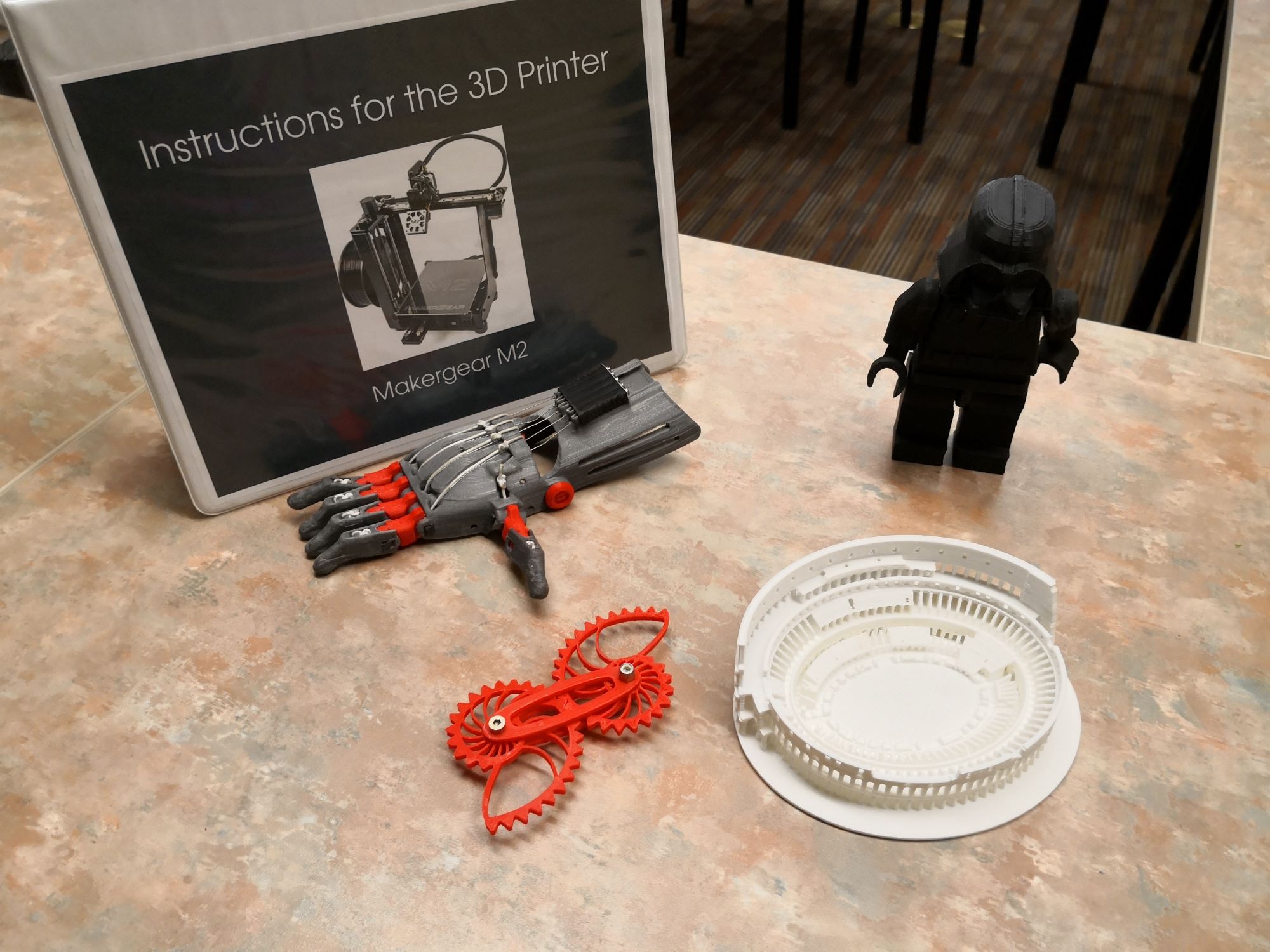
- An Idea Lab makerspace with a 3D printer, multimedia editing tools, Arduino and Raspberry Pi kits, and sensor technology for coding and Internet of Things projects
- One-on-one technology training and drop-in digital skills sessions for everything from basic computer use to advanced design software like Blender and TinkerCAD
- Support for telehealth, virtual legal aid and e-commerce, helping residents navigate services that increasingly require high-speed internet
- Youth-focused STEM programming that builds hard skills (robotics, coding, circuitry) alongside soft skills like collaboration and creative problem-solving
These offerings are not just about exposure to new tools — they are intended to prepare the next generation of workers, entrepreneurs and civic leaders.
"Places like libraries are going to be innovation hubs,” said Marcia Vining, library director at Ignacio Community Library. “For our patrons, the Ignacio Community Library is the place where children can learn to code, explore robotics or explore any number of technology-related fields.”
A civic and gathering place
In addition to technology access, ICL serves as a safe, neutral venue for community dialogue and cultural connection.
The library hosts:
- Forums with local and state officials and political candidates to encourage informed voting and participation in civic life
- Community discussions on pressing issues such as water rights, public health and suicide prevention — often in partnership with the Southern Ute Tribe’s SunUte Community Center
- Programs to preserve and share cultural heritage, including digital storytelling, oral history projects and access to genealogy resources
“Libraries in tribal settings are not just service providers; they are community conveners,” said co-author J. Ramon Gil-Garcia, director of the Center for Technology in Government and Professor at Rockefeller College.
“ICL’s partnerships with the Tribal Council, schools and nonprofits show how a library can unify different parts of a community toward shared goals.”
A national model
Unlike many small-town libraries, ICL’s service area extends beyond its district, with 40 percent of patrons coming from outside — including from neighboring New Mexico. This reflects both the scarcity of similar resources nearby and the library’s reputation as a place to find technology, training and community support all under one roof.
The library’s role is also shaped by the dual governance structure of the area — the Southern Ute Indian Tribal Council and the Ignacio Town Board — which creates a unique opportunity for the library to bridge government services and community needs.
The researchers say Ignacio’s story offers lessons for rural and tribal communities nationwide where broadband gaps persist and technology access is uneven. In such places, the public library is often more than an amenity — it is infrastructure.
“ICL shows us what’s possible when a library embraces its role as both a technological gateway and a cultural hub,” Gascó-Hernández said. “It’s a model worth studying and supporting.”