





State Funding Keeps Decades of Whiteface Mountain Field Station Research Data Flowing
By Mike Nolan
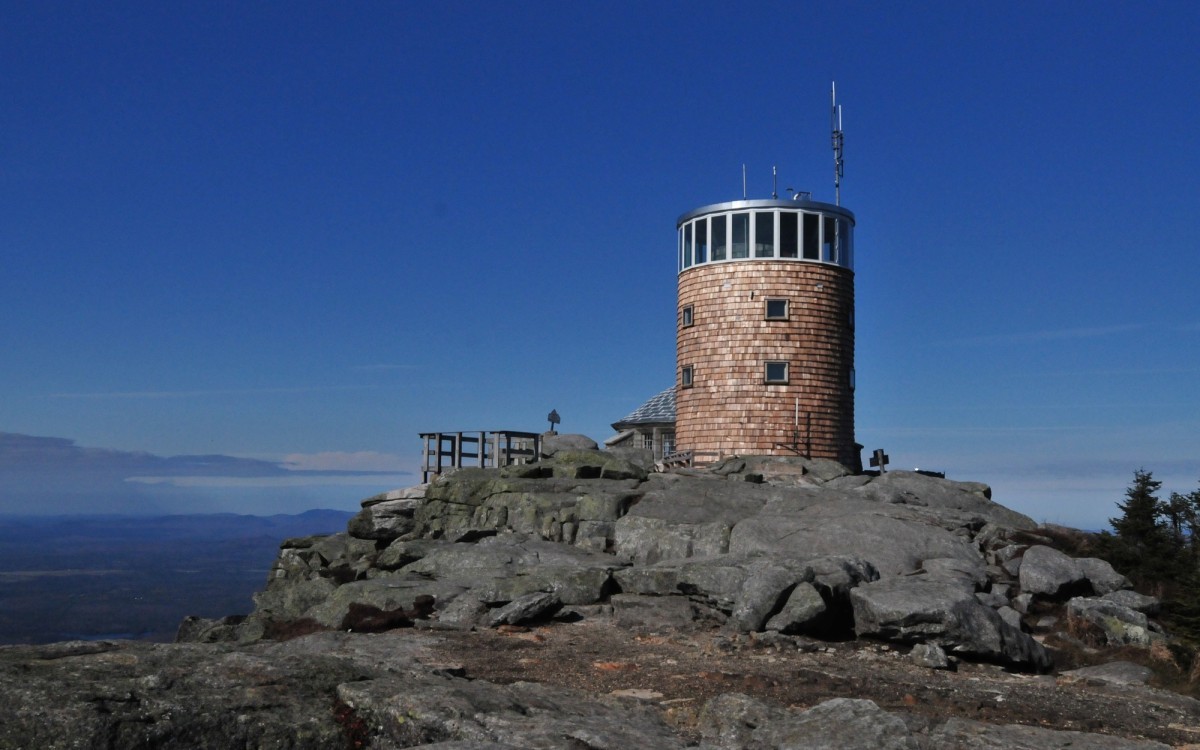
ALBANY, N.Y. (July 30, 2026) — New funding from New York State will support cloud water chemistry, air quality and weather monitoring — at nearly 5,000 feet above sea level in the heart of the Adirondacks.
The state budget includes $200,000 to support research at the University at Albany's Whiteface Mountain Field Station, operated by the Atmospheric Sciences Research Center.
The summit observatory has collected cloud water samples for chemical monitoring for nearly 50 years. It was built to help track how the region's climate and air quality have changed over time, along with gaining a deeper understanding of the interaction of chemical and physical processes that impact our environment.
The new funding was awarded through the state's Environmental Protection Fund, a source of funding for projects that protect New York's environment and enhance communities.
"Whiteface Mountain Field Station has played an invaluable role in understanding changes in our atmosphere over the last five decades," said Christopher Thorncroft, director of the Atmospheric Sciences Research Center. "We're thankful to our state leaders for recognizing this facility's importance and supporting environmental monitoring at the summit, data that simply can't be recreated elsewhere."
Eyes on the Adirondack Sky
The new funding will help ensure that Whiteface Mountain Field Station’s cloud water chemistry program is kept running, as well as its air quality monitoring, which tracks trace gases like ozone, carbon monoxide and nitrogen oxides along with particulates like black carbon.
Whiteface is one of the few remaining sites in the eastern U.S. still monitoring cloud water chemistry. This measure is closely tied to acid rain, which is caused by sulfur dioxide emissions (largely from coal-burning power plants) reacting in cloud droplets to form sulfuric acid.

Federal Clean Air Act regulations dating to the 1970s dramatically cut these emissions, including in the Adirondacks, where decades of acid rain damaged the region's lakes, forests and fish populations.
Whiteface Mountain researchers, however, say new talks of coal investment, along with more intense and frequent climate-driven threats like wildfire smoke, underscore why their measurements continue to hold so much importance.
"As rollbacks in federal air quality regulation come to fruition, the public should know what impacts are being felt in the Adirondacks, and scientific data will be necessary to do so," said Sara Lance, director of the Whiteface Mountain Field Station. "Now is a crucial time to support these baseline air quality measurements in the heart of New York's wilderness gem."
Science Monitoring Investment
The $200,000 will continue support for two part-time research positions at Whiteface Mountain who collect and store data from the site's monitoring stations.
Along with staff researchers, the Whiteface Mountain Field Station supports UAlbany undergraduate and graduate student researchers who are interested in monitoring cloud water chemistry and air pollution.
“This investment is helping Whiteface sustain and strengthen the long-term atmospheric and environmental monitoring that makes our mountain such a critical research sentinel for New York," said Scott McKim, science manager at the Whiteface Mountain Field Station. "It allows us to maintain the observations, infrastructure and scientific capacity needed to track changing air quality, weather, and climate in the Adirondacks — and to turn those measurements into knowledge that serves communities, ecosystems, and the state as a whole.”
Interested in learning more? Watch a video on the history of the Whiteface Mountain Field Station, produced by Adam Deitsch, a doctoral candidate at the Atmospheric Sciences Research Center. Deitsch leads research on PFAS, commonly known as “forever chemicals,” in cloud water and precipitation samples collected at the observatory.