"My internship was through the Department of Health. This allowed me to get firsthand experience in the field of epidemiology, which looks at the psychological and societal factors that impact individuals' health."
- Izzy D'Ambro, '24




Core Courses
Public Health Electives
Three or more courses and/or fieldwork placements. You can take electives across multiple disciplines or select courses in one area to support a particular career goal.
Sample Elective Courses
"My internship was through the Department of Health. This allowed me to get firsthand experience in the field of epidemiology, which looks at the psychological and societal factors that impact individuals' health."
- Izzy D'Ambro, '24
As a public health major at UAlbany, you can pursue internships and research opportunities with community organizations and in government agencies, including the New York State Department of Health (NYSDOH) – all located right here in New York’s capital city.
Students have interned at the NYSDOH Bureau for Immunization, the UAlbany Cancer Research Center, and the NYSDOH AIDS Institute, and participated in faculty research related to health communications, opioid addiction, sustainable dairy farming, food pantry management, and health disparities.

Graduates entering the workforce typically apply for jobs with federal, state, and nonprofit public and environmental health agencies. Popular employers include:
Alumni also pursue Peace Corps assignments and graduate school at UAlbany and other universities. Most obtain a master’s or doctorate in public health, but some earn degrees in medicine or occupational or physical therapy.
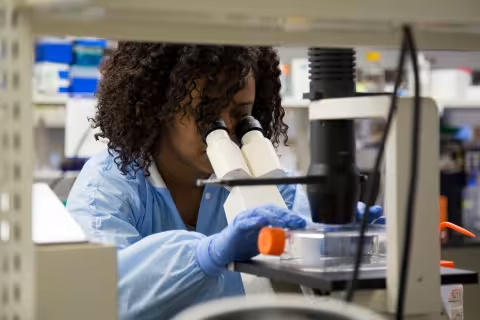
"I changed my major after taking Introduction to Public Health – it was so interesting! I fell in love with how impactful a career in public health can be, how you can bring about real change. My goal is to return to Nigeria to educate people in poorer areas to reduce mosquito breeding and prevent illness from impure water. Knowing that “prevention is better than a cure” will help me make positive changes back home."
- Mmutaka A.
You can save time and money by beginning your graduate degree coursework while still enrolled as an undergraduate student. Up to 24 academic credits, of which 12 credits are billed at the undergraduate rate, will count towards both degrees – so you’ll complete your combined program in only 5 years and spend less than you would if you completed each program separately. Choose to combine your Public Health undergraduate degree with one of the following graduate programs.
Please contact your Public Health Advisor for admissions requirements and information.

MPH in Biomedical Sciences
Learn to investigate the molecular basis of disease as you build scientific and public health skills that help you understand health challenges in communities. You’ll be prepared for roles where you can address public health issues through research and strategic planning.
MPH in Biostatistics
Strengthen your ability to use data to study population health as you gain skills in statistical analysis and public health methods. You’ll graduate ready to work with complex health data in roles such as data analyst or biostatistician.
MPH in Environmental Health Sciences
Explore how environmental factors affect human health as you build scientific and analytical skills that help you assess risks and respond to environmental threats. This program prepares you for careers that protect communities through research, policy or environmental health practice.
MPH in Epidemiology
Analyze patterns of disease and identify risk factors as you strengthen your ability to use data to improve population health. You’ll be prepared for roles where you investigate health trends and support evidence-based decisions that protect communities.
MPH in Health Policy and Management
Develop leadership and analytical skills that help you understand how health systems function as you learn to design policies and manage programs that improve health outcomes. You’ll be ready for careers where you guide organizations and shape decisions in complex health environments.
MPH in Social Behavior and Community Health
Study how behavior and social environments influence health as you gain experience assessing community needs and developing public health interventions. This degree readies you for roles that improve well‑being through education, outreach and community-based programs.

Live and take classes with other incoming freshmen who share your personal interests, passions or intended academic major.

Become a global citizen: international experience is crucial to success in business, education, research, and public policy.
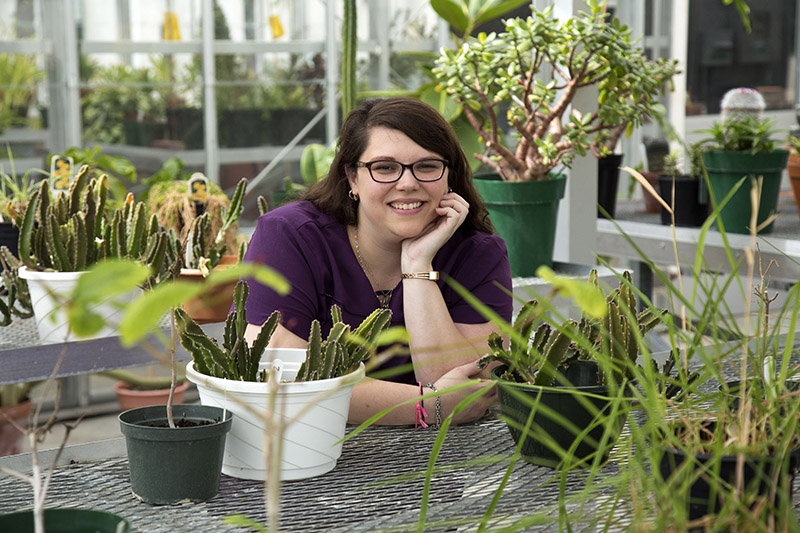
Research, scholarship, and creative activities at the University at Albany is an option for all students, across all academic disciplines. You will be able to learn more about a specific academic field or career path all while building a long-lasting mentoring relationship with a faculty member or principal investigator.
Build competency in a passion or strengthen your resume.
A minor consists of 18–24 graduation credits which must include a minimum of 9 graduation credits of advanced coursework at or above the 300 level. Most undergraduate degrees require completing a minor and it has to have a different title from your major.