





UAlbany Students Celebrate AANHPI Heritage Month
ALBANY, N.Y. (April 30, 2024) — Each May, the U.S. celebrates Asian American and Native Hawaiian/Pacific Islander (AANHPI) Heritage Month as a time to reflect on and celebrate the history and achievements of Asian Americans, Native Hawaiians and Pacific Islanders nationwide.
The commemoration first originated in 1977 when Congressmen Frank Horton of New York and Norman Mineta of California called upon the president to proclaim the first 10 days of the month as Asian-Pacific Heritage Week. Twelve years later, President George H.W. Bush extended the celebration to a month.
The month of May was chosen in part to commemorate the arrival of the first Japanese people in the U.S. in May 1843 and the completion of the Transcontinental Railroad, built by Chinese immigrants, in May 1869.
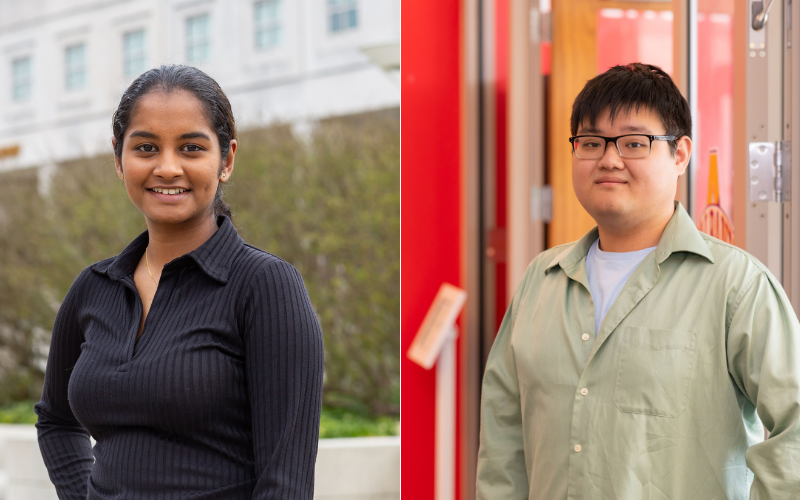
UAlbany students recently weighed in on AANHPI Heritage Month and what it means to them.
Himavi Senasekera
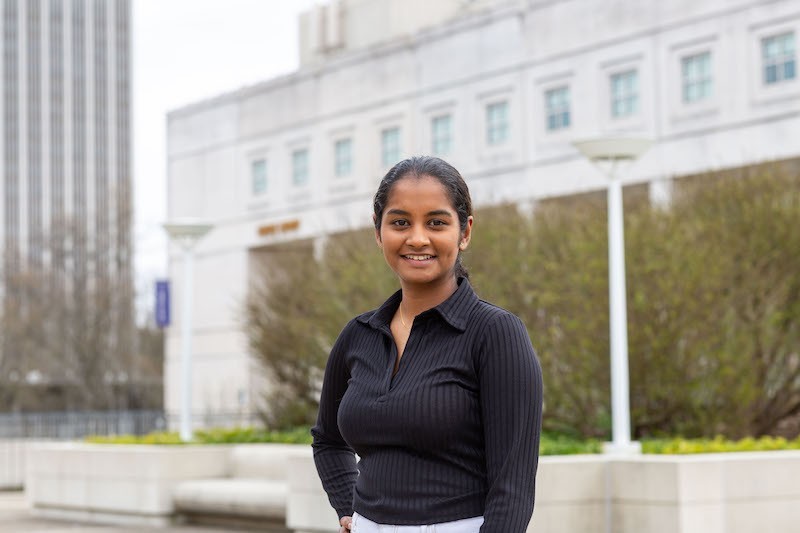
“As an international student from Sri Lanka, I come from a small island in the Indian Ocean that consists of a vast array of diverse community of people, including Sinhala, Tamil, Muslim and Burgher communities. Growing up, I was immersed in this diverse background learning about our rich histories, traditions and the number of different communities within our country. Sri Lankans are known for their hospitality, warmly welcoming tourists who explore our diverse landscapes and vibrant communities. Our country's diversity is not only limited to its people but also includes diversity in nature, cuisine, wildlife and other natural resources. We are very famously known for Ceylon Tea! This diverse upbringing has prepared me well for adapting and shaped my perspectives on different people, foods and cultures, making it easy to settle into a large and diverse campus such as UAlbany.
"As a member of the broad Asian community, particularly as a South Asian, AAPINH month holds importance for me as a time to celebrate my Asian heritage and acknowledge my role as an international Asian student on campus.”
Sam Wang
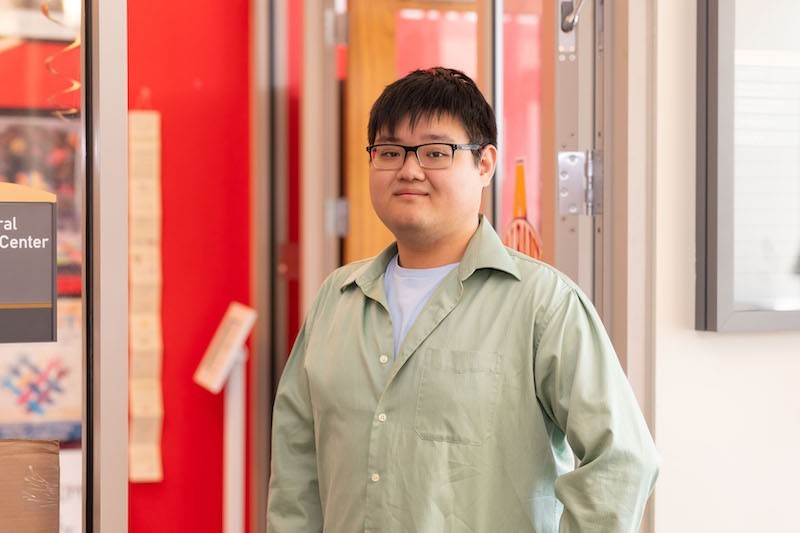
“AAPINH encompasses many cultures besides mine. To my culture specifically though, AAPINH is about embracing and incorporating our culture into who we are. Many people want to move away from tradition and that's considered good in some sense. However, we shouldn't forget about the intrinsic differences that each culture provides and forms unique identities for one another. Since coming to college, I started to care more about my identity as an Asian person and how I fit into the world.
"The thing I want people to know about my culture is the value in respecting and loving your family. Family members are usually the most important people in anyone's life but for parents and grandparents, they're always trying to find a way to help you in your life, no matter how different their ideas will be. Parents may have a very different mindset due to what time they grew up and for some family, they don't adapt well to modern changes. My father would probably tell me that I should've already been married by now but that's just a difference I have to understand. There is a sense of respecting people who are older just because, but I believe that's because they want to help by providing their experience.”