NSF-IRES: U.S.-Bangladesh-Canada collaboration to improve air quality

Application of low-cost sensor technologies and satellite remote sensing

NSF-IRES: U.S.-Bangladesh-Canada collaboration to improve air quality

Bangladesh University

Application of low-cost sensor technologies and satellite remote sensing

Department of Environmental and Sustainable Engineering

College of Engineering and Applied Sciences

IRES UAlbany Flyer

Calendar for Summer 2025 (IRES site: Montreal, Canada)

  • Application Deadline: March 31
  • Notification to selected participants: April 15

The International Research Experiences for Students (IRES)
The program supports international research and research-related activities for U.S. science and engineering students. The IRES program contributes to development of a diverse, globally engaged workforce with world-class skills. IRES focuses on active research participation by undergraduate and/or graduate students in high quality international research, education and professional development experiences in NSF-funded research areas.

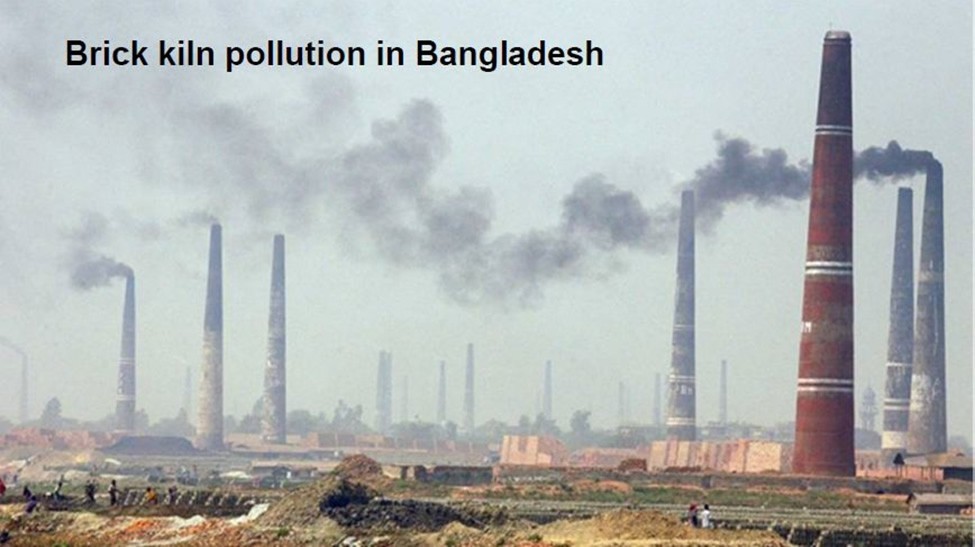
Brick Kiln Production smoke stacks in Bangladesh
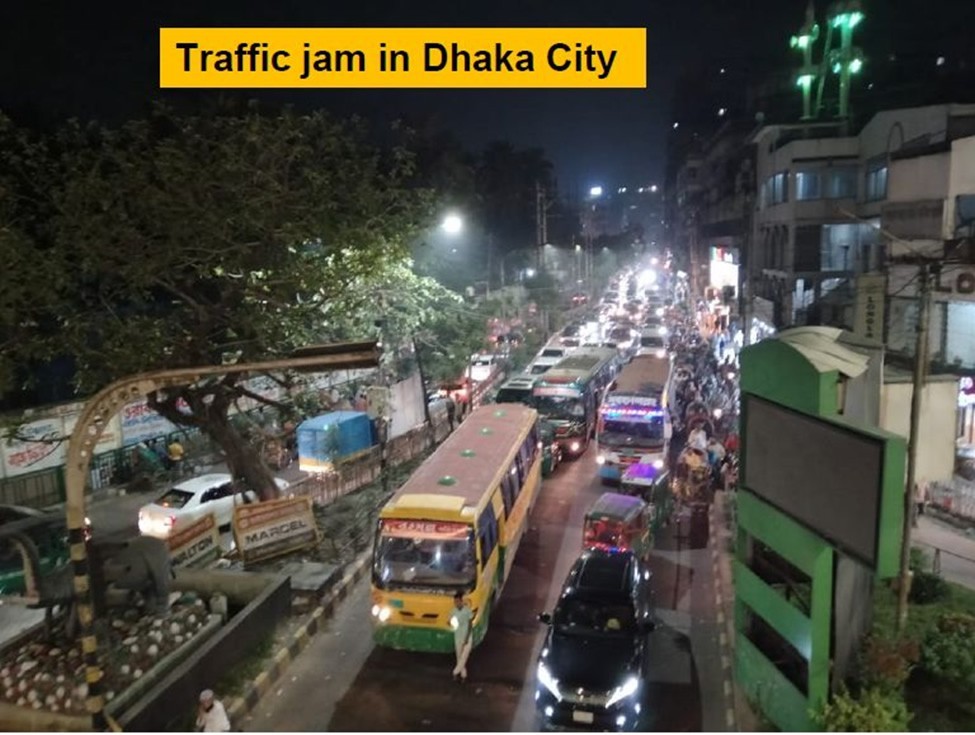
Traffic jam in Dhaka City at night
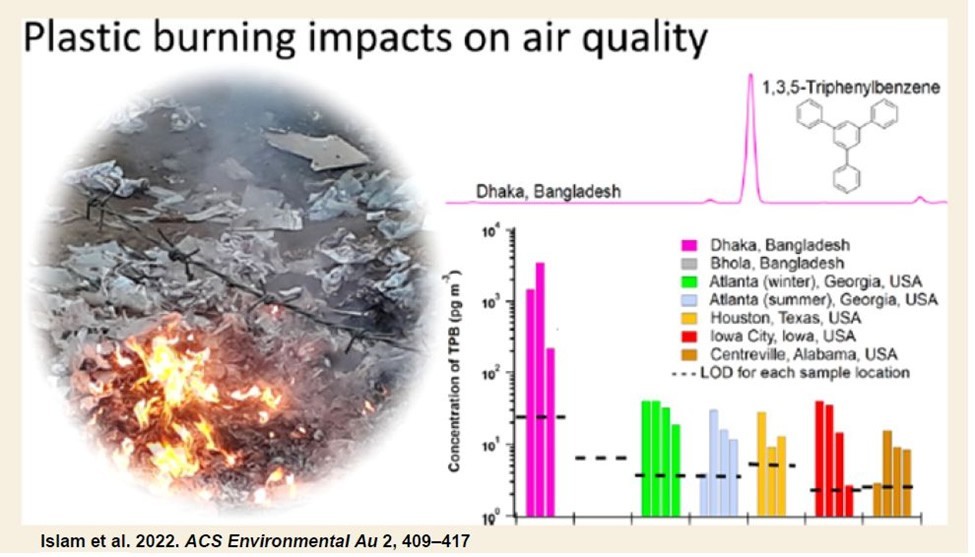
Burning plastic causes tremendous air quality issues in Bangladesh. More than twice as bad as cities in the United States
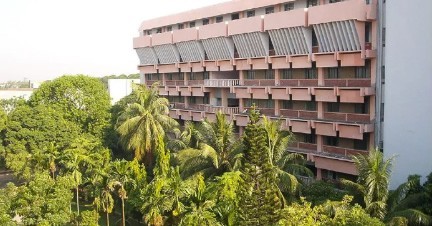
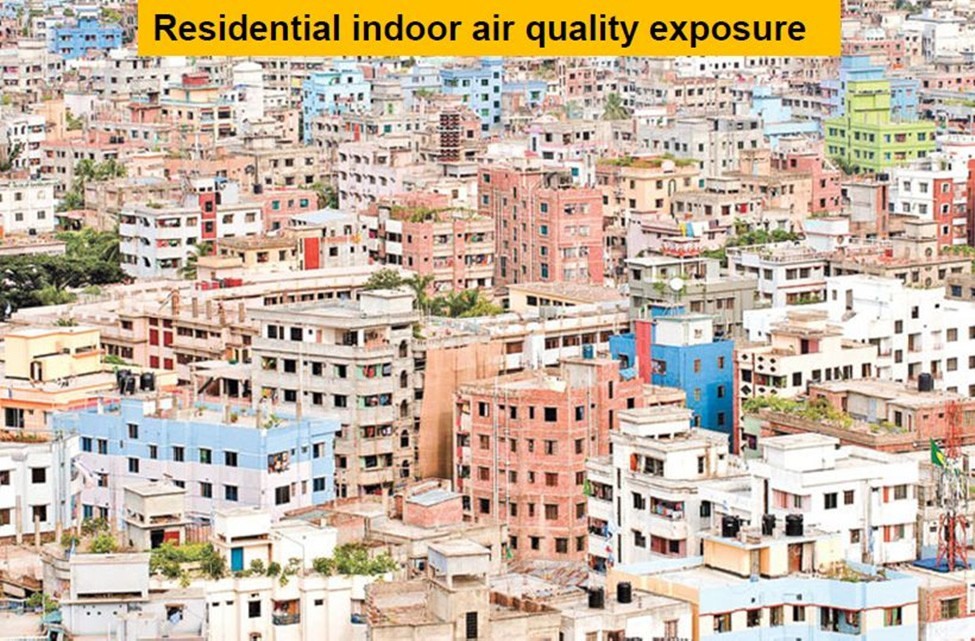
Residential indoor air quality exposure in Bangladesh is a big problem in its cities. Crowded apartment buildings are pictured.

IRES Program

Overview

This project will provide U.S. undergraduate and graduate students a ten-week summer opportunity to gain international research experience in emerging air quality issues in the megacity of Dhaka, Bangladesh and Montreal, Canada. 

The project will take place in collaboration with students and faculty at the University at Albany, Stanford University, the Bangladesh University of Engineering and Technology (BUET), the University of Dhaka, Concordia University and McGill University.

Students will get hands-on experience on low-cost sensors and remote sensing technologies to advance their understanding of air quality problems and potential solutions. Students will work on individual research projects and have unique opportunities to enhance their professional growth, peer-mentoring skills, networking as they develop their competencies in intercultural communication, self-awareness, professional adaptability and leadership in a culturally diverse group.

The experiences and lessons learned from a megacity’s impact on air quality can be valuable for the IRES students to study large U.S. urban centers confronting similar air pollution challenges.
 

Program structure

The project will train 24 U.S. students under a ten-week summer program over the 3-year period. Students will be recruited during the Fall semester. Each year a cohort of 8 students (5 undergraduates and 3 graduate) will participate in four sets of activities:

  • pre-departure preparation during the Spring  (virtual) for research meetings and language training
  • pre-departure virtual training activities (2 weeks)
  • 7 weeks research activities in the IRES site
  • 1 week (in-person) post-trip follow-up activities at UAlbany

Key activities include a streamlined two-week air quality short course, travel workshop and research ethics compliance training during the 2-week pre-departure virtual training. The pre-departure training during the Spring will include bi-weekly research meetings to introduce students to low-cost sensor technologies, performance evaluation and air quality sensor data analysis, as well as weekly meetings for culture and language instruction. The 1-week post-trip follow-up will include report writing, presentation of their research findings and international experiences and field trips.
 

Financial Support

  • Stipend: $3,500 for undergraduates and $4,200 for graduate students
  • Travel: support for international and local travels
  • Subsistence: Housing and meals provided

IRES Sites

Dhaka, Bangladesh

Bangladesh is known for its vulnerability to climate change, consistently ranked as one of the most polluted countries. With more than 20 million people, Dhaka, the capital of Bangladesh is an example of the most polluted megacities in the world.

IRES Site 1 Bangladesh University of Engineering and Technology
IRES Site 1: Bangladesh University of Engineering and Technology (BUET)

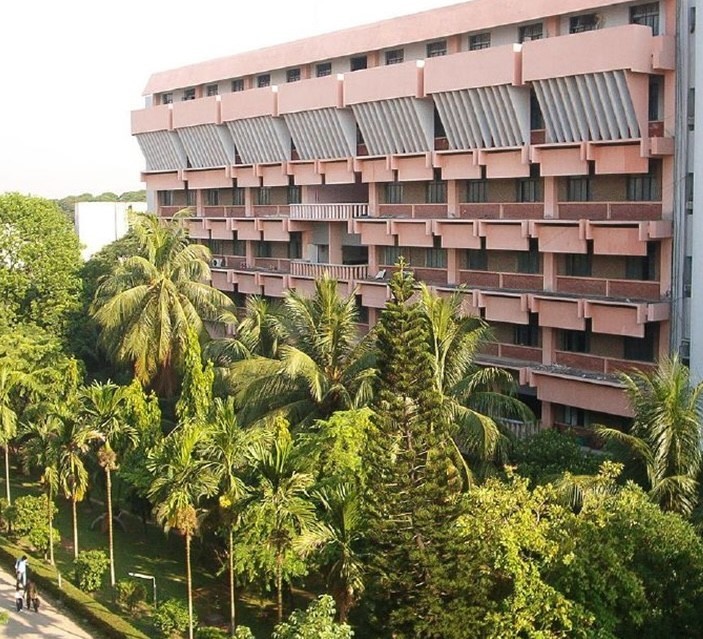
Bangladesh University of Engineering and Technology (BUET)

Bangladesh University of Engineering and Technology (BUET) is the oldest and leading institution for engineering study in Bangladesh. The Department of Civil & Environmental Engineering of BUET is a leading academic department in the country due to the outstanding graduates it is producing, its various research activities, and its extensive involvement in countless crucial national development projects. The Environmental Engineering Laboratory of the Civil Engineering Department is well-equipped with advanced facilities for water, wastewater, and ambient air quality research. It is a 2800 ft2 laboratory space located on the 3rd floor of the Civil Engineering Building. The Mentor Dr. Provat Kumar Saha has full access to all the facilities in this lab as a full-time faculty member of the department. Instruments in this laboratory include, among others, an Atomic Absorption Spectrophotometer, a TOC analyzer, and a modern Spectrophotometer. Air quality measurement instruments include gravimetric samplers for particulate matter (PM2.5 and PM10), Condensation Particle Counter for measuring ultrafine particles, and Real-time, Affordable, Multi-Pollutant (RAMP) monitor for low-cost sensor-based measurement of PM2.5 and trace gases (CO, NO, NO2, O3).


University of Dhaka

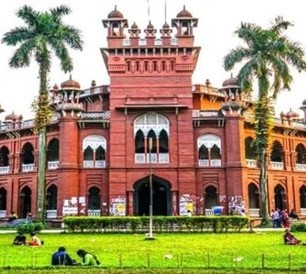
University of Dhaka, Bangledesh campus building.
IRES Site 2: University of Dhaka

The Department of Chemistry, University of Dhaka is the leading research organization for atmospheric chemistry in Bangladesh. Dr. Salam has been leading the atmospheric science research with 25 group members and has been working on various aspects of air quality in Bangladesh with highly sophisticated instruments, e.g., Cimel sunphotometer (Robot), Aerosol Robotic network, NASA-USA. It has been measuring the intensity of sun at seven different wavelengths since 2013. It changes the direction automatically with the moving of sun and also upload data automatically to the AERONET website. Dr. Abdus Salam’s group has many other monitoring instruments (e.g., BAM 1020, Air Photon) and also several low-cost sensors (e.g., Air Visual). U.S. students will get the opportunity to learn from these long-term measurements in the highly polluted megacity of Dhaka.


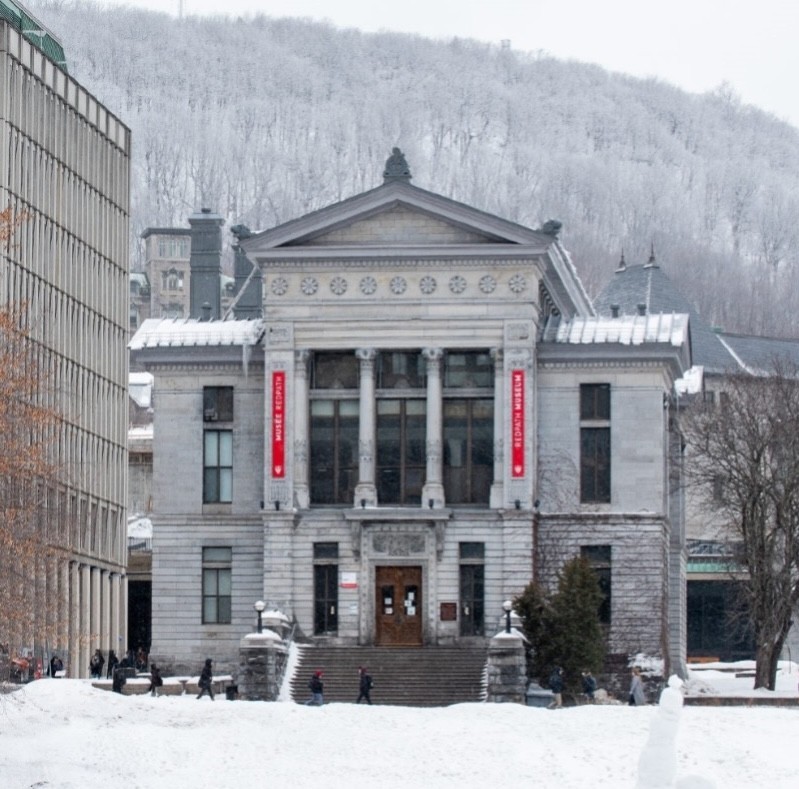
IRES Site 3 for Summer 2025: Montreal, Canada

Concordia University

Concordia University
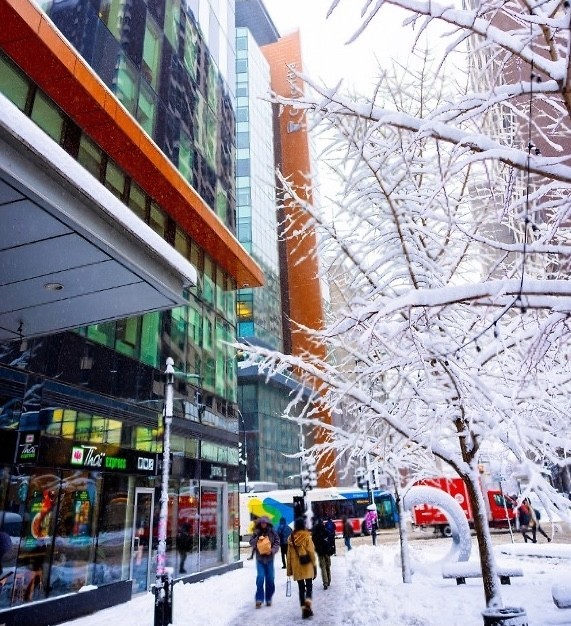
Concordia University. Source www.concordia.ca

The Department of Building, Civil and Environmental Engineering (BCEE) at Concordia University is a leading engineering department in Canada and has a global reputation. With over 50 faculty members, the department is a diverse and dynamic group with broad research interests. 

The department has a world-class indoor air quality research lab, an advanced environmental engineering lab, and a well-recognized environmental modeling group, where they are equipped with many advanced instruments, such as GC/MS, HPLC, FTIR, ICP/MS, and AA. Many past and current research activities are around wildfires, such as their impact on air quality, water resources, and climate change. 

The students can visit and interact with researchers and technicians at Concordia to get exposed or involved in the related research activities. The department also has strong collaborations with many other research organizations, such as Environment and Climate Change Canada and the Institut de recherche en biologie végétale.


McGill University

McGill University
McGill University. Source: www.mcgill.ca

The atmospheric and oceanic sciences department at McGill university is one of the top atmospheric science research departments in Canada and has a worldwide reputation. With thirteen faculty members the department is a diverse and vibrant group, with wide ranging research interests.

Recently a number of faculty members within the department have started various projects around wildfires meteorology and smoke transport, so the student would be able to attend seminars, group meetings, and discussions with students and faculty working on similar problems.

The department also has strong ties to several other research institutions nearby, including the Canadian Meteorological Center and the Ouranos regional climate group. 
 

Apply

Eligibility

This opportunity is available to undergraduate and graduate students in STEM fields at U.S. institutions with following requirements:

  1. U.S.-citizen or permanent residents
  2. Grade point average (GPA) of 2.7 for undergraduate and 3.0 for graduate applicants
  3. Must commit to being in Canada for 7 weeks during summer 2025
  4. Available to attend Spring 2025 (virtual) for pre-departure preparation (research meetings and language instructions)
  5. Agree to participate in a follow-up research activity for Fall 2025

Preference will be given to juniors/seniors and graduate students major in environmental engineering or a related discipline (e.g., atmospheric and environmental sciences, chemical engineering and mechanical engineering).
 

How to Apply

  1. Complete an online application form.

    Undergraduate Application

    Graduate Application
     
  2. Submit copies of transcripts (a copy of unofficial transcript is fine).
  3. Provide one reference (e.g., your academic advisor). If shortlisted, we will contact for recommendation letter.
  4. Upload your resume.
  5. Provide a statement of purpose. Describe your academic and career goals, research interests, and how you believe the IRES program will help achieve your short- and long-term goals.
  6. Provide demographic information

Research Projects

IRES participants will work on research projects collaborating with the foreign mentors and students. The Principal Investigator and foreign mentors will offer numerous research topics at undergraduate and graduate levels. This helps students choose their individual research topics based on their interests. The nature of proposed research activities falls under a unifying research topic i.e., improving air quality in a megacity by leveraging recent advances in low-cost sensor and remote sensing technologies. The projects will be structured in such a way that both undergraduate and graduate students can feel confident that they can complete the proposed tasks successfully in due time. A brief description of sample research projects is given below:

  • Sample project 1: Development of a calibration framework for low-cost PM2.5 monitoring system in a megacity of Bangladesh. 
    While low-cost sensor-based air quality monitoring shows great potential for spatially dense and community-scale air monitoring with a reasonable cost, their calibration and data inversion are the most critical aspect. The response of the low-cost sensors is highly sensitive to ambient temperature, humidity, pollutants mixture. High pollution loadings, local weather, and infrastructure conditions in polluted cities in developing countries present unique challenges for low-cost sensors calibration, deployment, and maintenance. The proposed work will develop calibration models and a standard operational procedure for low-cost PM2.5 sensors under a megacity-specific conditions.
     
  • Sample project 2: Coupling low-cost air sensors and satellite data for mapping brick kiln pollution in Bangladesh. 
    Bangladesh is the fourth largest brick producer globally with about 7000 brick kilns and produces about 23 billion bricks annually. Traditional energy-inefficient brick manufacturing kilns in Bangladesh and across South Asia kill thousands of people every year. Accurate mapping of the pollution scenario is the first step for developing science-based solutions and tools for addressing the brick kiln pollution in Bangladesh. We propose to combine low-cost fine particulate mass sensor and satellite-based observations for mapping surface PM concentrations in the brick-kiln pollution impacted areas in Bangladesh.
     
  • Sample project 3: Developing a low-cost approach for evaluating kiln level emissions in Bangladesh. 
    Each year the global radiative forcing generated by the black carbon and greenhouse gases emanating from brick kilns in South Asia is equivalent to the climate impact generated from the entire US passenger car fleet. Recent estimates suggest that air pollution generated by brick kilns results in over 60,000 premature adult deaths annually in South Asia. We propose a set of iterative field measurements collaborating with Stanford University researchers to work towards developing a practical low-cost approach to evaluating pollution generated by individuals and groups of kilns.
    Saving Lives and Combatting Climate Change - YouTube
     
  • Sample project 4: Air pollution mapping in Dhaka City using low-cost sensors. 
    Air pollutants in urban areas vary spatially and temporally. Numerous studies have identified that a central monitoring approach cannot capture the pollution gradient in urban areas and pollution concentrations can vary substantially within a few hundred meters. In recent years, the mobile and distributed monitoring with data science and machine learning approaches have been shown a great promise for high spatial resolution urban air pollution monitoring and exposure estimates. We will develop an empirical model and high spatial resolution air pollution mapping using lower cost sensor measurements and advanced statistical modeling approach.
     
  • Sample project 5: Understanding residential indoor air quality exposure in Dhaka using multipollutant sensors. 
    Climate change can affect the air we breathe in both ambient and indoor environments. While government and regulatory agencies have focused to tackle urban ambient air pollution, little attention has been paid to assess the quality of air in our homes. To fill this gap, IRES participants will measure air pollutants in residential homes to get experience in assessing indoor air quality in a polluted megacity of Dhaka. Several criteria air pollutants e.g., fine particulate matter (PM2.5), carbon monoxide (CO) and climate-driven pollutants e.g., black carbon and caron dioxide (CO2) will be measured using low-cost sensors.
     
  • Sample project 6: Monitoring exposure to air pollutants and greenhouse gases in public transportation in Dhaka city using low-cost sensors. 
    Traffic jam is a known issue in Dhaka city due to the lack of proper planning, lack of road as well as public bus, poor traffic managements, old vehicles, reckless driving, and less skilled driver. In Dhaka city, public bus is a crucial means of transport and passengers are espousing huge pollution due to the long hours staying inside the public bus due to traffic jam. We will focus to quantify the exposure of particulate matter and trace gases of the passengers in the public bus for the first time in Dhaka, Bangladesh. We will use multipollutant sensor monitors for measuring particulate fractions (PM1, PM2.5 and PM10), gaseous pollutants (CO, NO2, O3), and greenhouse gases (CO2, CH4).
     
  • Sample project 7: Evaluation of satellite-based models in estimating the surface PM2.5 over Bangladesh. 
    For assessing PM2.5 exposure and associated health impacts, there is a need to estimate accurate surface PM2.5 concentrations. Many studies have been applied machine learning (ML)-based models to estimate surface PM2.5 concentration by using satellite-retrieved aerosol optical depth (AOD) and ground-based measured PM2.5 concentration. However, there are some uncertainties associated with ML-based models leading to potential bias in estimating surface PM2.5. IRES students will apply ML-based models such as artificial neural network (ANN) and random forest to evaluate the accuracy of estimated PM2.5 concentration in Dhaka using hourly satellite-retrieved AOD data and ground-based measured PM2.5 concentrations.
     
  • Sample project 8: Estimation and characterization of waste burning impact in Dhaka, Bangladesh using low-cost sensors. 
    Waste burning (e.g., garbage, agricultural residue) is one of the neglected sources of air pollution in many countries of the world including Bangladesh. Varieties of waste burning are happening in Dhaka city, e.g., open garbage burning, municipal solid waste burning, dry leaves burning, and garments cotton burning, and agricultural residue burning. IRES participants will study the particulate, gaseous and greenhouse gas emissions from waste burning in Dhaka using low-cost multipollutant sensor monitors.
     
  • Sample project 9: Understanding indoor air quality in Montreal, Canada 
    (Mentors: Fariborz Haghighat, Zhi Chen, Md. Aynul Bari)
    The proposed IRES project will conduct indoor air quality monitoring using low-cost PurpleAir sensors and measure PM fractions (PM1/PM2.5) in at least 20 homes in Montreal. An intervention measure will be also done, where half of the home participants (n=10) use air purifiers to reduce exposure. The study will also leverage UAlbany’s indoor air quality study and use low-cost PurpleAir sensor data from at least 10 homes to compare impacts on indoor air quality in both Canadian and U.S. homes. IRES students will also compare with PurpleAir sensor data measured in Dhaka homes during 2023-3024 to find differences in indoor PM2.5 expsure between a developing and a developed country.
     
  • Sample project 10: Understanding impacts of wildfire smoke events on ambient air quality in Canada and the United States 
    (Mentors: Zhi Chen, Md. Aynul Bari)
    In Canada and the U.S., community air quality observation networks are limited in characterizing the diverse group of air pollutants that affect exposure across regional to neighborhood scales. To increase public awareness and address any smoke-related air quality issues (e.g., wildfires), low-cost air quality sensors will be deployed over one year period in at least 10 fixed ambient sampling sites in Montreal to measure particulate matter fractions (PM1/PM2.5/PM10). The study will leverage U.S.EPA’s enhanced air quality monitoring study for communities (PI: Bari), where UAlbany is developing an enhanced air quality monitoring network from Summer 2025 in and near underserved neighborhoods in NYS. IRES students can use sensor data from 15 fixed ambient sites in NYS and compare air quality and impacts of wildfires events on air quality in both the Canada and U.S. neighborhoods.
     
  • Sample project 11: Performance of commercial air purifiers for reducing wildfires impact on indoor air quality 
    (Mentor: Fariborz Haghighat)
    A purifier system proposed by this project can be installed in the indoor air quality Lab to examine the performance of the purifier. This project can examine different scenarios under different building and outdoor meteorological conditions to possibly see how the wildfires will affect the indoor air quality.
     
  • Sample project 12: Connecting high altitude transport to surface conditions: the meteorological conditions for downward intrusion of aloft smoke plumes 
    (Mentors: Robert Fajbar, Cheng-Hsuan Lu)
    To better understand the meteorological conditions for the downwards intrusion, we will use the Hysplit model to simulate large quantities of virtual Lagrangian particles in areas and seasons that are prone to wildfires, using the Calcul Quebec supercomputing network. These trajectories will then be analyzed to find particles which are mixed downwards into the boundary layer, and then atmospheric reanalysis data will be composited around the times and locations that particles are being mixed downwards to create meteorological composites of the conditions responsible for the downwards intrusions of smoke plumes.

     
  • Sample project 13: Development of trustworthy data collection from low-cost sensor-based air quality monitoring tools 
    (Mentor: Suryadipta Majumdar)
    The recent studies show that data integrity is often threatened in low-cost sensor-based solutions. Specifically, the first category of threats is introduced by spoofing attacks where adversaries (by exploiting vulnerabilities in devices, software or communication channels) modify the actual sensor readings. The second category of threats is introduced by masking attacks where adversaries (by exploiting vulnerabilities in devices, software or communication channels) modify drastic pattern changes in sensor readings to hide any specific events (e.g., drastic drop in the air quality). 
    The final category of threats is introduced by faulty devices where adversaries exploit faulty devices that misreport the air quality metrics. There exist a few recent works (e.g., Wei et al., 2023) to detect anomalies in air sensor data. However, none of them study the impact of data integrity and trustworthiness on air quality monitoring tools and address the above-mentioned challenges. In this project, we will first study the impact of wrong data on wild-fire effects on air quality of this region. 
    Second, we will identify/learn the features of sensor data impacting the quality of study. Third, we will explore the applicability of existing security solutions for other sensor-based environments (e.g., smart home) into air quality monitoring tools. On a successful completion of this project, we will expect the following outcomes: (i) finding on the importance of data integrity and measure the tolerance, (ii) the features in sensor data with their relative ranking, and (iii) mechanisms to build trustworthiness.
     
  • Sample project 14: Developing resilience in air quality monitoring tools against AI-enhanced adversaries 
    (Mentor: Suryadipta Majumdar)
    With the wide-spread adoption of artificial intelligence (AI) in various applications including analyzing air quality, this project focuses on AI’s security impacts on such tools. Specifically, this project aims at studying the adversarial effects of AI on air quality monitoring tools as well as building resilient techniques for these tools against AI-enhanced adversaries. The recent studies report the imminent threats from both passive (i.e., typical ML issues - lack of training data, labeled data, data quality) and active (i.e., against outliers and data poisoning attacks) challenges. 
    To understand the landscape of AI-based threats, we will first analyze the adversarial machine learning threats, which are applicable to air quality monitoring tools. During this study, we will mainly identify the characteristics, objectives, and requirements of AI-based threats and classify both adversaries and defenders/users based on these findings. We will also define the scope of such AI-based threats, the capabilities of both adversaries and defenders, and other assumptions currently utilized in this domain. The outcome of this research activity will provide a threat model for AI-based adversaries. 
    To detect existing adversarial examples that might have manipulated the learning process of air quality monitoring tools, we will first collect system data and train different models to capture the normal behavior of a system. We will then develop a technique that will detect any anomalous patterns in that model as adversarial examples. The outcome of this research activity will provide a set of existing adversarial examples in air quality monitoring.
     

Contact Us

For questions or any information, please email [email protected].
 

Mentors
 

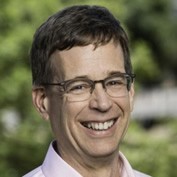
Md. Aynul Bari


Md. Aynul Bari
Assistant Professor and Principal Investigator
Department of Environmental and Sustainable Engineering
College of Engineering and Applied Sciences
University at Albany, State University of New York


Provat Kumar Saha

Provat Kumar Saha
Assistant Professor
Department of Civil Engineering
Bangladesh University of Engineering and Technology


Abdus Salam

Abdus Salam
Professor
Department of Chemistry
University of Dhaka


Stephen Luby

Stephen Luby 
Professor
Medicine (Infectious Diseases) and Senior Fellow at the Woods Institute
and the Freeman Spogli Institute and Professor, by courtesy, of Epidemiology
and Population Health
Stanford University

IRES Participants

2024

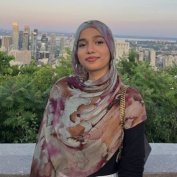
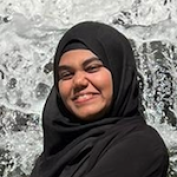
Zahin Ritee

Zahin Ritee
Columbia University

Zahin Ritee is double majoring in Physics and Mechanical Engineering from Adelphi University and Columbia University respectively. During the summer of 2024 she worked on mapping and analyzing indoor and outdoor air pollution data of residential houses or apartments. Zahin loves singing and traveling. Her goal is to live an honest and happy life. 


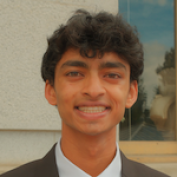
Shiama Srikantan

Shiama Srikantan
University of California Berkeley

Shiama is a rising sophomore at UC Berkeley, majoring in Applied Math. In Bangladesh, Shiama used his prior experience in data science and public health to address the climate and air quality. Over a two-month research trip to Dhaka he worked on creating citywide maps of air pollution through mobile monitoring, developing skills in field research, python and GIS software. He hopes to use his technical skills to address environmental and public health concerns around the world. Outside of research and academics, he loves to play tennis, strum the guitar and spend time outdoors with friends and family.


Shakib Idris

Shakib Idris
Tufts University

Shakib Idris is a rising senior at Tufts University majoring in Environmental Health Engineering. During his time in Bangladesh, he focused on using satellite remote sensing technology to assess the spread of brick kiln pollution in the region. Throughout the experience, he used software such as MATLAB, python and ArcGIS Pro to perform analysis. After this research, he aims to continue environmental work on a global scale. Outside of work he enjoys traveling and exploring the outdoors.


Sadman Sakib Khan

Sadman Sakib Khan
University at Albany

Sadman Sakib Khan is an undergraduate student pursuing a Bachelor's of Science degree in Electrical and Computer Engineering with a minor in Mathematics at the University at Albany. Sadman’s research focuses on air quality monitoring, specifically in his project titled "Understanding Air Emissions of Municipal Solid Waste Landfills in Dhaka, Bangladesh Using Low-Cost Sensors and Satellite Remote Sensing." Through this work he is investigating how landfill emissions impact the environment using innovative, cost-effective technology.


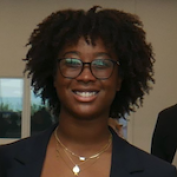
Alyssa Kamara

Alyssa Kamara
University at Albany

Alyssa Kamara is a May 2024 graduate of the University at Albany with bachelor's degrees in economics and public health. While in Bangladesh, Alyssa focused on measuring and analyzing data from indoor air quality in primary schools using low-cost monitors. This experience furthered her interests in children’s health, environmental contaminants and sustainable urban design. She is incredibly grateful for her experiences and the friends she made in Dhaka. Alyssa hopes to continue engaging with vulnerable communities working on public health equity, ecological disaster mitigation and environmental policy. Alyssa works as the Junior Policy Analyst for the City of Albany’s Common Council.  


Jeanchretien Goundo

Jeanchretien Goundo
University at Albany

Jeanchretien Goundo is originally from Togo and majors in Biology at the University at Albany. His project is focused on monitoring air quality in Dhaka's public transportation using low-cost sensors, measuring pollutants like PM2.5, black carbon, NO2, SO2 and others in buses and trains. His findings show that buses have higher and more variable pollution levels due to traffic, while trains have more stable and lower levels. The project highlights the need for better air quality monitoring and improved policies to address pollution in Dhaka's public transport system. Goundo hopes to become a doctor, but is deeply passionate about exploring the intersection between health and environmental factors, particularly around issues like air pollution.He hopes to expand his research knowledge and skills to better understand how environmental conditions impact public health, especially in urban settings. By combining his interest in medicine with a focus on environmental health, he aspires to contribute to creating healthier communities by addressing the root causes of disease.


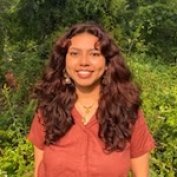
Kaylia Morgan

Kaylia Morgan
University at Albany

Kaylia Morgan is a rising senior at the University at Albany studying environmental sciences. During the Summer 2024 IRES program she worked on low-cost sensor data and develop a calibration framework for low-cost PM2.5 monitoring system in a megacity of Dhaka, Bangladesh.


Diana Castro

Diana Castro
Cañada College, Redwood City, California

Diana Castro is a rising sophomore at Cañada College in California. During the Summer 2024 IRES program she worked on satellite remote sensing data and evaluated satellite-based models in estimating the surface PM2.5 over Bangladesh.


2023

Lauren Riviere

Lauren Riviere
Rensselaer Polytechnic Institute (RPI)

Lauren Riviere is an undergraduate student pursuing her Bachelor of Science degree in Civil Engineering with a minor in Sustainability Studies. Lauren is using her background knowledge in Python to research various calibration methods for low-cost air quality monitors. She has been working with the IRES with 7 other students to research and improve the air quality in Bangladesh. She hopes that with this research she can learn how to strive for more sustainable and equitable infrastructure. Outside of research, Lauren is a climate activist as the Marketing Director of the RPI Sunrise Movement. Additionally, with her free time she enjoys playing cards, painting, and ice skating. 


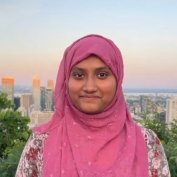
Tamanna Kamal Chowdhury

Tamanna Kamal Chowdhury
Columbia University

Tamanna Chowdhury is a rising sophomore at Columbia University, studying Environmental Chemistry with a concentration in Sustainable Development. Being Bangladeshi-American and growing up in the South Bronx, they are passionate about empowering marginalized communities by prioritizing research revolving around uplifting their voices. Having conducted residential air quality research in Bangladesh, they gained valuable insights into environmental challenges faced by vulnerable populations. Tamanna's interests lie in atmospheric chemistry, environmental justice, and working towards bridging the gap between scientific research and community involvement. 


Eleni Konstantelos

Eleni Konstantelos
SUNY Oneonta

Eleni Konstantelos is a dual major in Meteorology and Mathematics at the State University of New York at Oneonta. Going to Bangladesh, she focused on evaluating satellite-based models in estimating the surface PM2.5 over Bangladesh. Eleni analyzed various aerosols focused across the 7 Divisions of the country to understand the seasonal variability, the annual cycles, and the trends over time. Through this program, she gained confidence in her research, coding, and in the application of her knowledge of the atmosphere. Outside of research, Eleni is an active student on campus at SUNY Oneonta. She is the president of the Meteorology Club, the secretary of the Sanford Society, which is the mathematics club on campus, as well as the vice president of membership of Alpha Phi Omega, the national service fraternity. After graduating, Eleni hopes to pursue a career in air quality research, aviation meteorology or paleoclimatology.


Sophie Ilaann Bose

Sophie Ilaann Bose
University of Maryland

Sophie Bose is a rising second-year Environmental Science and Policy student at the University of Maryland. She is also pursuing a double degree in Spanish and a minor in GIS. She is passionate about environmental justice and encouraging community engagement in the sciences. She has past research experience working with low-cost air quality sensors to identify environmental justice hotspots in her native P.G. County, Maryland. She was very grateful for the opportunity to conduct similar air quality research in Bangladesh and hopes to continue to engage with vulnerable communities in mitigating environmental and climate challenges.


Santosh Jagan

Santosh Jagan
University of South Florida

Santosh Jagan is an undergraduate student pursuing his Bachelor of Science in Environmental Engineering degree at the University of South Florida. After completing high school, Santosh joined the United States Navy Reserves working to provide worldwide fleet logistic support and continues his service today. While completing his Associated in Arts in Engineering from Hillsborough Community college, and during his first year at USF, he worked as a Water Resource Engineering intern in the Environmental Resource Permitting department at the Southwest Florida Water Management District, which aims at protecting Florida’s water resources. He has also worked under the WeRISE (Working to Eradicate Racism in Science and Engineering) grant, in which he worked with environmental justice issues related to air quality that disproportionately effect the East Tampa community. Santosh is passionate about air quality research with the goal of promoting sustainability and contributing to resolving global climate change issues. 


Marco Eugene

Marco Eugene
University at Albany

Marco is a rising Senior at the University at Albany, majoring in Biology. In Bangladesh, Marco used his intensive background from monitoring homes’ air quality in the capital and Hudson valley region, to estimate and characterize waste burning emissions in Dhaka. From this experience, he gained insightful knowledge and valuable skills to help in his researcher career. After graduating, he hopes to get into a research based graduate program to further research health issues that are linked to environmental factors such as air pollution.


Henrik Helmig

Henrik Helmig
University of Colorado Boulder

Henrik Helmig is pursuing a bachelor’s degree in environmental engineering in the College of Engineering & Applied Science at the University of Colorado Boulder. Having prior experience in working with air quality with issues surrounding the front range in Colorado through multiple internships, he was tasked with evaluating and mapping brick kiln emissions in Bangladesh by integrating low-cost sensors and satellite observations. He developed skills in field research, python, MATLAB, and ArcMap products over the two-month research trip to Dhaka, Bangladesh. He hopes to take this experience and continue forward with studying further air quality issues around the world. Outside of research, Henrik enjoys traveling across the world, playing soccer, and backpacking in the mountains of Colorado.


Ishe

Ishe

Ishe is a junior at Central State University who majors in Environmental Engineering. Ishe was tasked with monitoring air quality in 10 schools across the megacity of Dhaka in Bangladesh for the duration of his IRES research project. Due to his experiences on his first internship and research project, Ishe is interested in continuing air quality research and all the different avenues that this field holds. Ishe is a member of the National Society of Black Engineers which he has been a member of for two years now. In Ishe’s free time he likes to go out on hikes around Ohio, spend time with his family or just watch a soccer game during the weekends.