





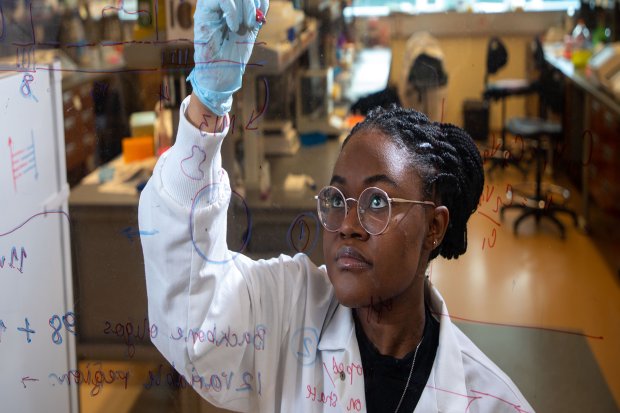
Translational Impact of Life Sciences Research
The University at Albany's impact in life sciences research is growing dramatically. Faculty in the life sciences were awarded a total of $15.2 million in national grants in 2010-2011 to support their investigations. Researchers are shedding new light on the molecular basis of life processes and disease, as well as potential treatments. Tuberculosis infections and the transmission of West Nile virus are among the many challenges they are tackling. Through public and private partnerships, The RNA Institute is creating a culture of scientific innovation as it advances the promise of RNA research in addressing diseases.
Collaborations with St. Peter's Health Partners, the New York Neural Stem Cell Institute, the Trudeau Institute, the New York Department of Health Wadsworth Center and other institutions are building regional strengths in this critical area.
Recognition of the potential economic benefits of this work came in two awards through New York Governor Andrew Cuomo's "Open for Business" grant competition: $2 million to The RNA Institute to promote biotech translational research and $1 million for the East Campus, home of the School of Public Health and Cancer Research Center, to further develop a biotech hub in the Capital Region.
Read About the Impact of UAlbany's Life Sciences Researchers
-
Aptamers: Promising New Tools for Treating Diseases
Working to develop a novel generation of diagnostics and therapeutics are three UAlbany professors affiliated with The RNA Institute: Hua Shi and Al Millis, Department of Biological Sciences, and Li Niu, Department of Chemistry.
-
Gaining Insights into HIV-AIDS through the Genetics of Chimpanzees
In UAlbany biologist Mary Katherine Gonder's hands, the tools of modern molecular genetics are providing new information about the history and lives of chimpanzees in areas of Cameroon and Nigeria.