|
ETAP Faculty
|
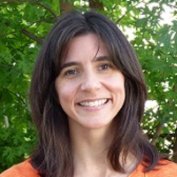
Jane
Agee
Associate Professor
OFFICE
: ED 127A
PHONE
: (518) 442-5014
FAX: (518) 442-5008
EMAIL: jagee@uamail.albany.edu
|
|
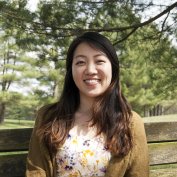
Dr. Agee is an associate professor of Language
in Education at the University at Albany, State
University of New York. She earned a Ph.D. in English
Education at the University of Georgia in 1994.
Based on her dissertation research, she was a finalist
in the National Council of Teachers of English Promising
Researcher Award competition in 1995. She joined
the faculty of the University at Albany in 1995.
Dr. Agee has been a project director of the National
Research Center on English Learning and Achievement.
She specializes in studies of teaching and learning
in the English language arts. Her research examines
the social and cultural contexts that shape theory
and practice in language and literacy.
Agee's work has appeared in Research in the Teaching
of English, The Journal of Literacy Research, and
English Education as well as in book chapters and
research reports. She is active in a number of professional
organizations; she chaired of the American Educational
Research Association Special Interest Group in Literature,
and is on a number of editorial review boards. In
2001, she was awarded the American Educational Research
Association Division and Research Award for her
work in teacher education.
Fall
2008 Courses:
ETAP 652L, Class #3821 - Teaching Literature
in the Secondary School (3 credits)
Focus is on current research, theory, and practice
in literature instruction for adolescents. Designed
for beginning and advanced classroom teachers, the
course promotes inquiry into major contemporary
issues concerning literature instruction; development
needs, standards and assess-ments, methods for promoting
engaged and critical reading, and expanding literature
study to include diverse culture.
ETAP 777, Class #4881 - Qualitative Research
Methods
(3 credits)
Qualitative research methods and issues with focus
on ethnographic techniques; participant observation
and interviewing: analyzing, interpreting, and collecting
data. Attention to problems generic to fieldwork;
emphasis on formation of research questions (entry
into field settings, ethical issues in fieldwork,
qualitative analysis and theory building).
|
|