






July 28, 2008
Schwab Wins NYSERDA Grant to Bridge Gap in Measuring Carbon in Air Pollutants
 |
|
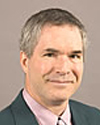
James Schwab of UAlbany's Atmospheric Sciences Research Center. |
"The ultimate goal of the project is the reduction of particulate matter pollution (commonly referred to as aerosols), and improved health outcomes for New Yorkers and others," said Schwab, who joined the University in 1988.
Carbon is a major component of aerosols that contribute to air pollution, and there are many ways to measure it.
"These methods range from very sophisticated, requiring complicated and expensive equipment and a Ph.D. scientist, to the more routine method of collecting aerosol mass on a filter and sending it to a lab," explained Schwab, also an adjunct research professor in the Department of Earth and Atmospheric Sciences.
The more sophisticated methods have revealed there are thousands of carbon-containing compounds in aerosols, but these detailed measurements are relatively few and unlikely to be performed on a routine basis. The methods suited to routine measurements at locations around the state, country, and world only report four or five "classes" of carbon compounds in the aerosol, and most data users only use two of these very broad classes.
Through the project, Schwab seeks to partially bridge the gap in the measurement and understanding of these carbon 'classes' used by researchers and government agencies across the state as well as around the world.
 For more news, subscribe to UAlbany's RSS headline feeds

