- Formation and growth of particles in the atmosphere;
- Air quality and size-resolved particle microphysics: Modeling and comparison with observations;
- Aerosol-cloud-precipitation interactions and extreme weather;
- Aerosol direct/indirect radiative forcing and climate change;
- Health effects of ultrafine particles and co-pollutants;
- Particle and contrail formation in aircrfat plumes;
- Aviation non-CO2 climate impacts;
- Solar radiation management and size-resolved particle microphysics.
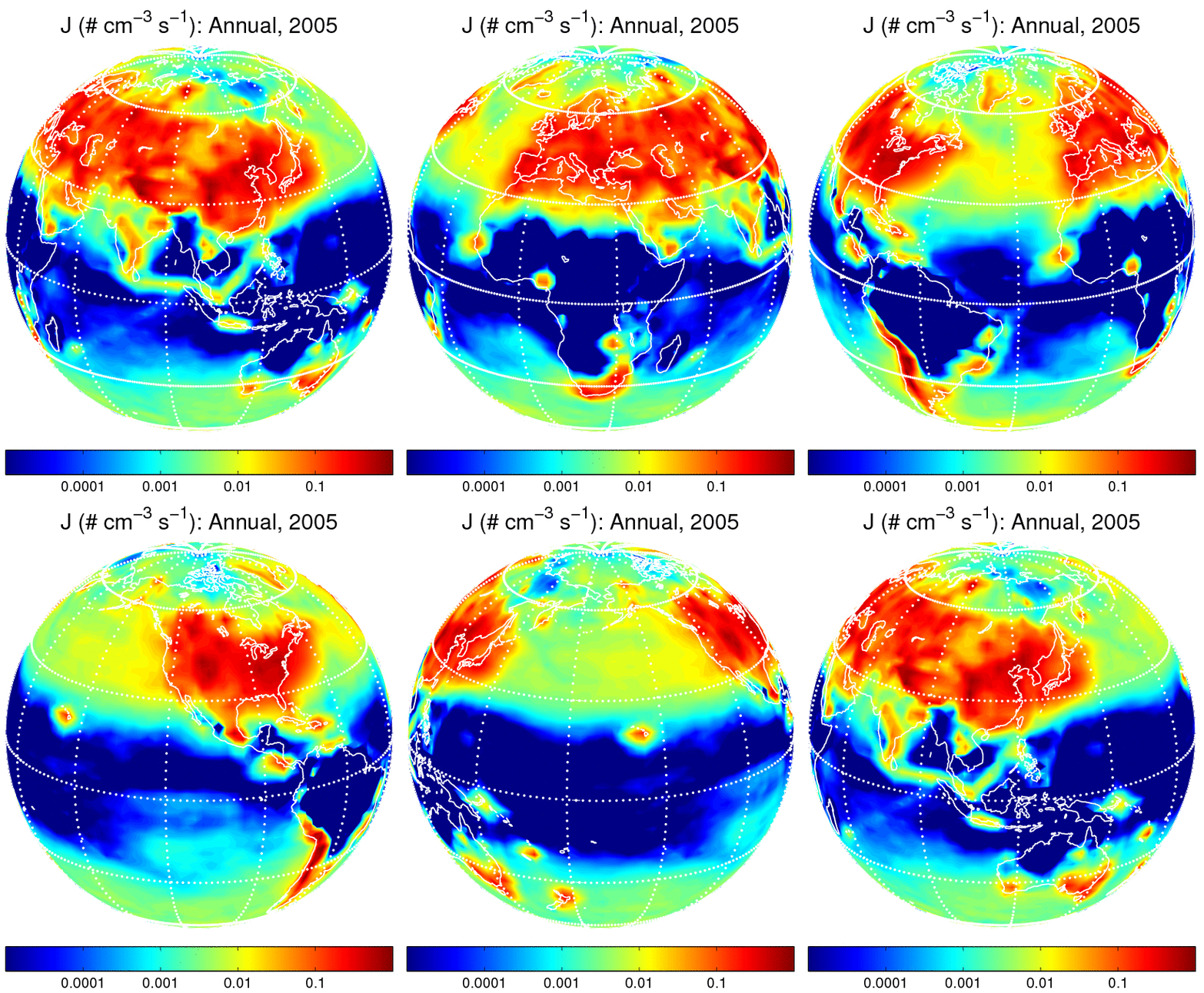
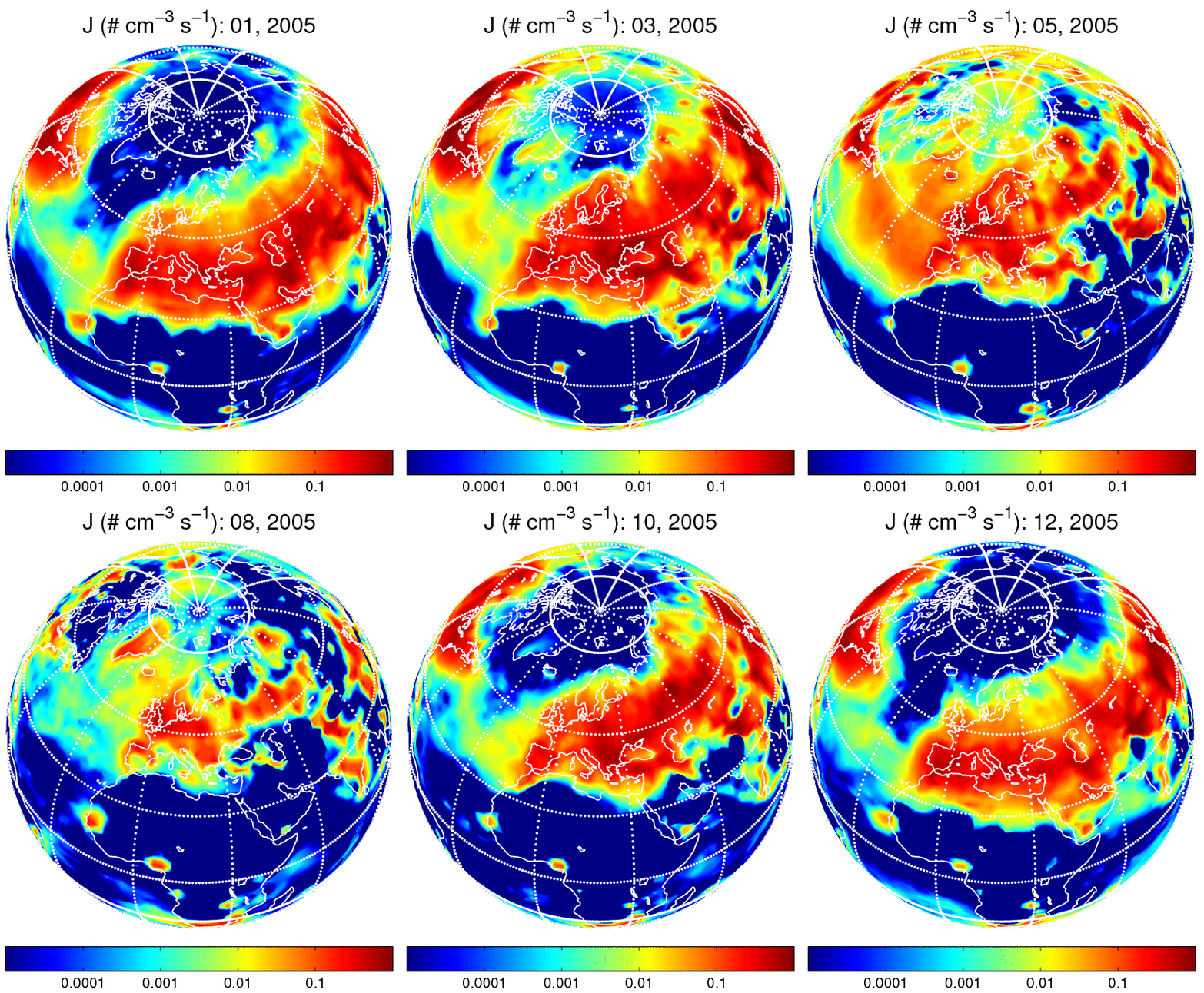
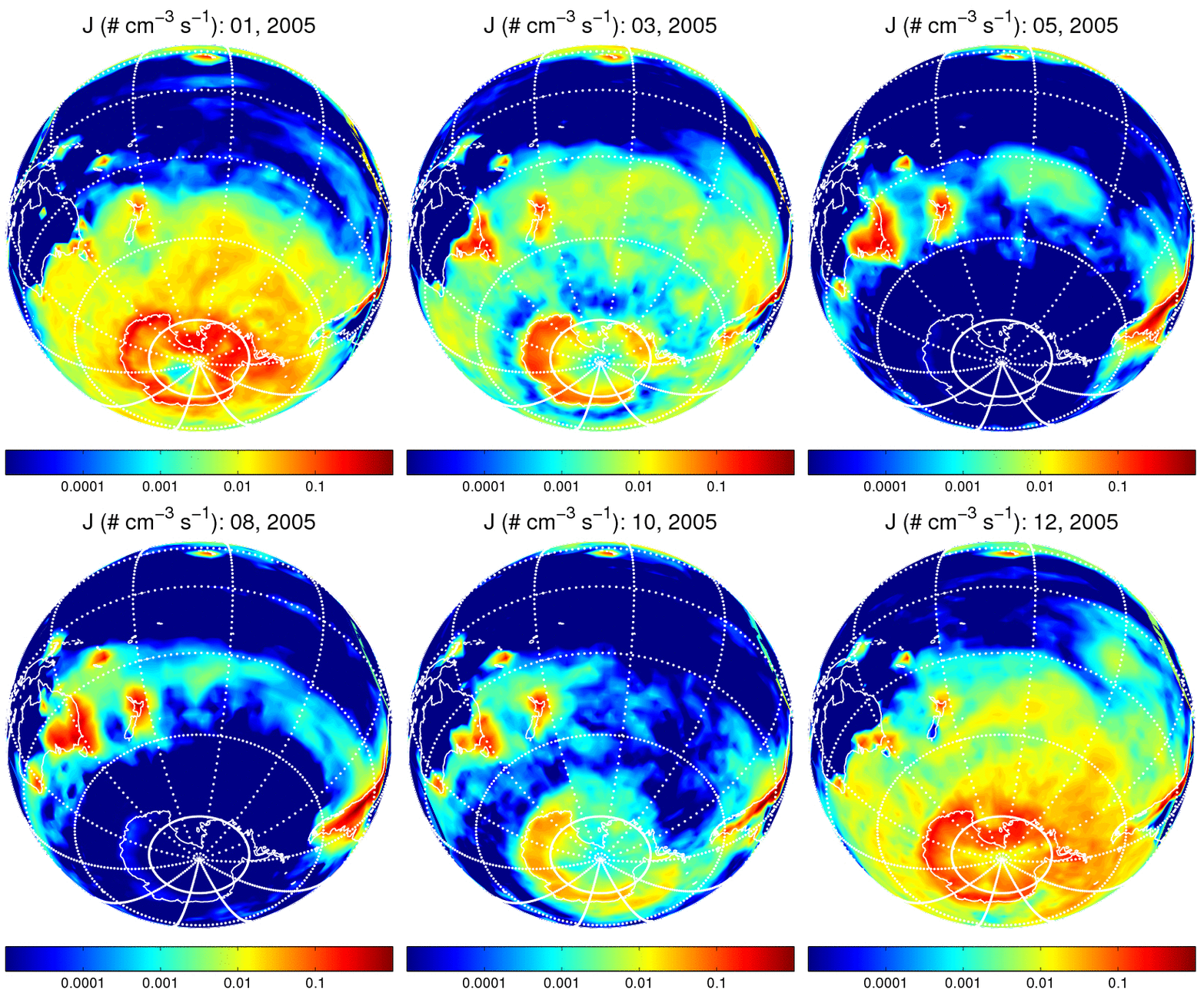
Figure 1. Predicted annual and monthly mean new particle formation rates (averaged with the boundary layer) based on ion-mediated nucleation mechanism.
back to home