Lecturers & Affiliated Faculty
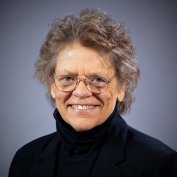
Martha Asselin, PhD - Emeriti Faculty
[email protected]
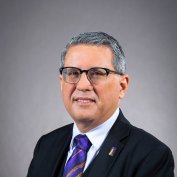
John Jablonski, PhD - Vice President for Academic Affairs, SUNY Adirondack
[email protected]; [email protected]
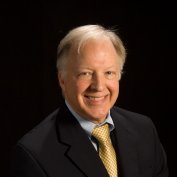
Daniel J. Julius, PhD - Professor of Management; Former Provost and Senior Vice President, New Jersey City University Visiting Fellow, School of Management, Yale University
[email protected]
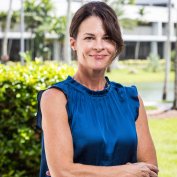
Kathleen Spring - School Leader Fellow
[email protected]
Ethan Sprissler, PhD - Faculty Program Director at Excelsior College (UAlbany Alumnus)
[email protected]
Susan Swartz - Superintendent at Scotia-Glenville Central School District
[email protected]
Leigh Wedenoja, PhD - Senior Policy Aanalyst at the Rockefeller Institute of Government
[email protected]
Jay Worona, Esq. - Deputy Executive Director and General Counsel at NYS School Boards Association
[email protected]; [email protected]
Kai Zhou, PhD - Data Scientist at San Antonio Independent School District (EPL Alumna '19)
[email protected]
International Education Leadership Fellows
Ronald Cushing - Director, UC International Services, University of Cincinnati
[email protected]
David DiMaria, EdD - Associate Vice Provost for International Education, University of Maryland, Baltimore County
[email protected]
Gretchen Dobson, EdD - Associate Director, Scholarships, Tetra Tech International Development.
[email protected]
Charles Reilly, PhD (Retired) - Executive Director, International Affairs, Gallaudet University, Washington, DC
[email protected]
Joshua McKeown, PhD - Associate Provost for International Education and Programs, SUNY Oswego
[email protected]
Clayton Steen, PhD - Associate Vice President, Enrollment Management Services
Online Education, the Pennsylvania State University
[email protected]; [email protected]
Yusuf Joseph Ugras, PhD - Associate Professor of Accounting, La Salle University
[email protected]