



The Division of Inclusive Excellence’s primary role is to carry out the University at Albany’s mission to ensure that diversity in our people and ideas drives excellence in everything we do.
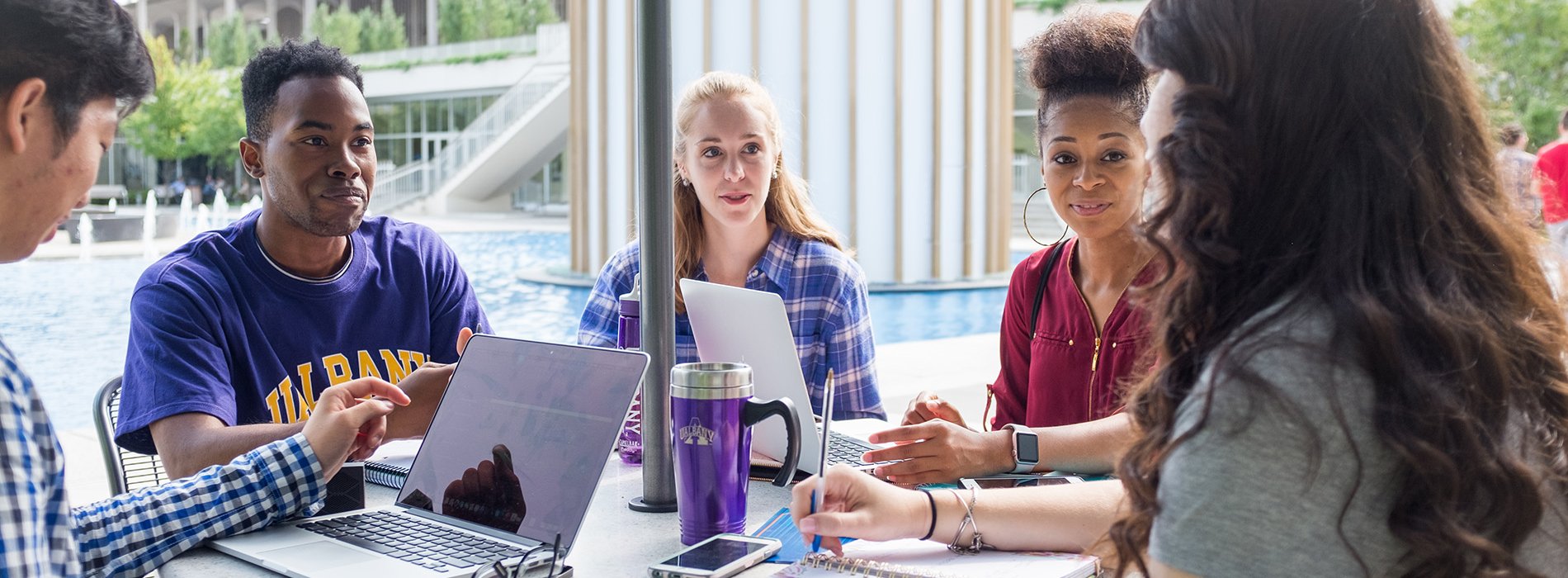
We provide campus-wide leadership to ensure an inclusive environment for our graduate and undergraduate students, faculty, staff, curriculum, programs and activities. We also promote a safe, equitable, growth-minded and engaged campus community that embraces the strengths of our differences.
We turn our ideas into action through programming, initiatives, and projects that serve the well-being of our students and the wider communities we impact.
UAlbany is consistently ranked among the top universities nationally. As an R1 institution, the University is committed to enhancing research in the growing STEM space and improving opportunities for underrepresented students and future professionals in their fields.
We embrace our differences, strive for healthier living and do our part for the future of our planet. While we won’t solve every challenge, we will create an environment where we shed light and use best practices to move the University community forward. After all, an inclusive campus creates an environment where all can and will be expected to succeed.
That’s UAlbany’s commitment and the Division of Inclusive Excellence embraces this challenge. We welcome your thoughts, concerns, and questions.
Visit our Staff Directory to meet our team.
The Division of Inclusive Excellence will disseminate knowledge to create transformational change at UAlbany, so all people make responsible contributions that support the University’s mission “to empower our students, faculty and campus communities to author their own success.”
The University at Albany will be a learning, living and working space where dialogue is encouraged, faculty, staff and student voices are heard, differences are embraced, and the entire community makes a positive contribution to a diverse and global world.


1400 Washington Ave
Albany, NY 12222
United States
Visit our Staff Directory to meet our team.